The Price of Saying 'I Do' in Spain: Weddings Cost €10,000 More in 2026

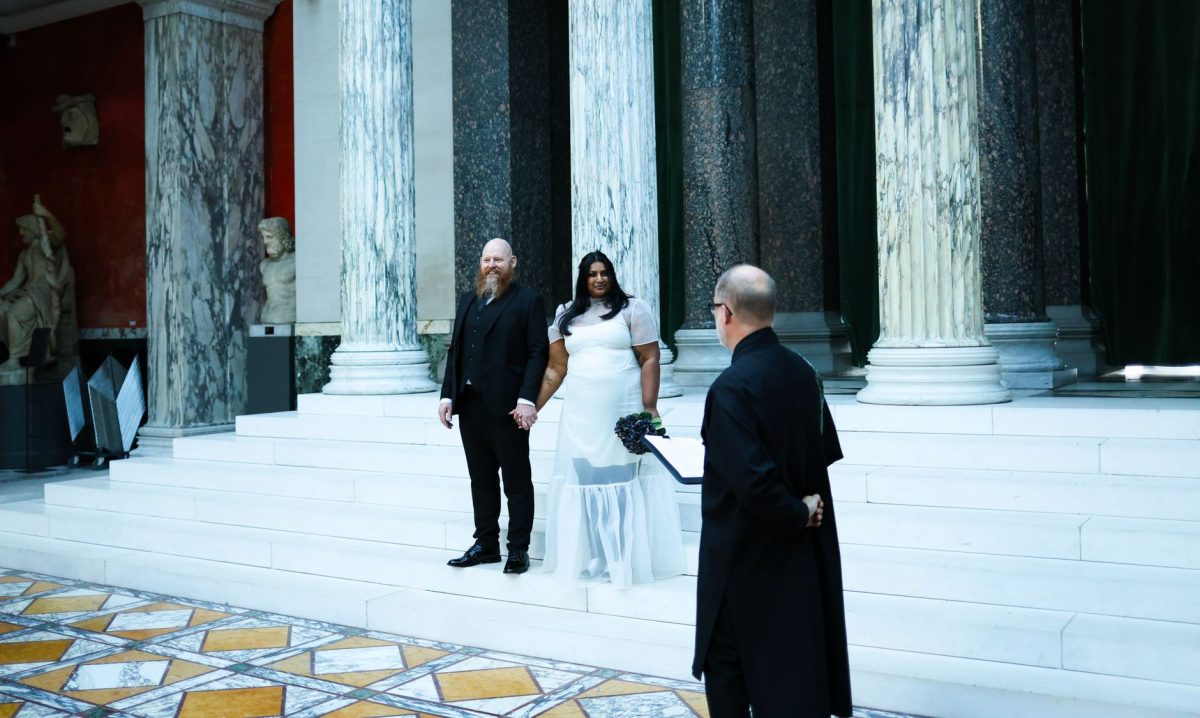
A recent study has found that the average cost of a wedding in Spain has increased by €10,000 in 2026, making it more difficult for couples to plan their dream wedding without going into financial stress. This increase affects not only the couple but also their families and friends who often contribute to the costs. The rising costs of weddings are a significant concern for couples in Spain, where the average cost of a wedding is now between €25,000 and €32,000. This is a substantial increase from previous years, and it's essential to understand the factors contributing to this rise in costs.
What Happened: The Rise in Wedding Costs in Spain
According to a study by the Spanish Wedding Association (AGEV), the average cost of a wedding in Spain has increased by €10,000 in 2026, making it more challenging for couples to plan their dream wedding. This increase is attributed to various factors, including the rising costs of venues, food, and decorations. In an interview with AGEV President, Sofía García, she stated, "The cost of venues has increased significantly, with some venues now charging up to €5,000 per day for a wedding." García also mentioned that the cost of food and beverages has also increased, with couples now spending an average of €3,000 on catering alone. The study also found that nearly seven in ten couples spend more than they planned, with 95% of couples admitting to financial stress. One notable detail is that the average cost of a wedding in Spain is now higher than the average annual salary of a Spanish citizen.
Why It Matters: The Broader Impact on Couples and Society
The rise in wedding costs has a significant impact on couples and their families. With the average cost of a wedding in Spain now exceeding €30,000, many couples are forced to take on debt or make significant sacrifices to afford their dream wedding. This can lead to financial stress, not only for the couple but also for their families and friends who often contribute to the costs. Additionally, the rising costs of weddings may lead to a decrease in the number of weddings, as couples may be deterred by the high costs involved. This can have a broader impact on the economy, as the wedding industry is a significant contributor to Spain's GDP. Furthermore, the rise in wedding costs may also lead to a shift in societal values, as couples may prioritize other aspects of their lives, such as travel or education, over the expense of a wedding. The impact of the rise in wedding costs is not limited to couples and their families but also has a broader impact on society as a whole.

“"The rising costs of weddings are a significant concern for couples in Spain, and it's essential to understand the factors contributing to this rise in costs." - Sofía García, AGEV President”
What We Don't Know Yet: The Unanswered Questions
While the study provides valuable insights into the rise in wedding costs in Spain, there are still many unanswered questions. For example, what are the underlying causes of the rise in costs, and how can couples mitigate the financial stress associated with planning a wedding? Additionally, what are the long-term consequences of the rise in wedding costs, and how will it impact the wedding industry as a whole? Further research is needed to fully understand the impact of the rise in wedding costs on couples and society. The study also raises questions about the sustainability of the wedding industry, as the high costs involved may lead to a decrease in demand for wedding services. This could have significant consequences for the many businesses that rely on the wedding industry for their livelihood.
What to Watch: Key Players and Realistic Outcomes
In the coming weeks and months, we can expect to see a number of developments that will shape the wedding industry in Spain. For example, the Spanish government may introduce new regulations to control the costs of weddings, or couples may begin to shift their focus away from traditional wedding costs and towards more affordable alternatives. One key player to watch is the Spanish government, which has already taken steps to address the issue of wedding costs. Additionally, couples may begin to prioritize other aspects of their lives, such as travel or education, over the expense of a wedding. This could lead to a decrease in demand for wedding services, which could have significant consequences for the many businesses that rely on the wedding industry for their livelihood.
Interestingly, the average cost of a wedding in Spain is now higher than the average annual salary of a Spanish citizen, highlighting the significant financial burden that weddings can place on couples and their families.
The rise in wedding costs in Spain is a complex issue that affects not only couples and their families but also has a broader impact on society. While the study provides valuable insights into the factors contributing to this rise in costs, there are still many unanswered questions. Further research is needed to fully understand the impact of the rise in wedding costs on couples and society. Ultimately, the wedding industry must adapt to the changing needs and priorities of couples, and this may involve a shift away from traditional wedding costs and towards more affordable alternatives.