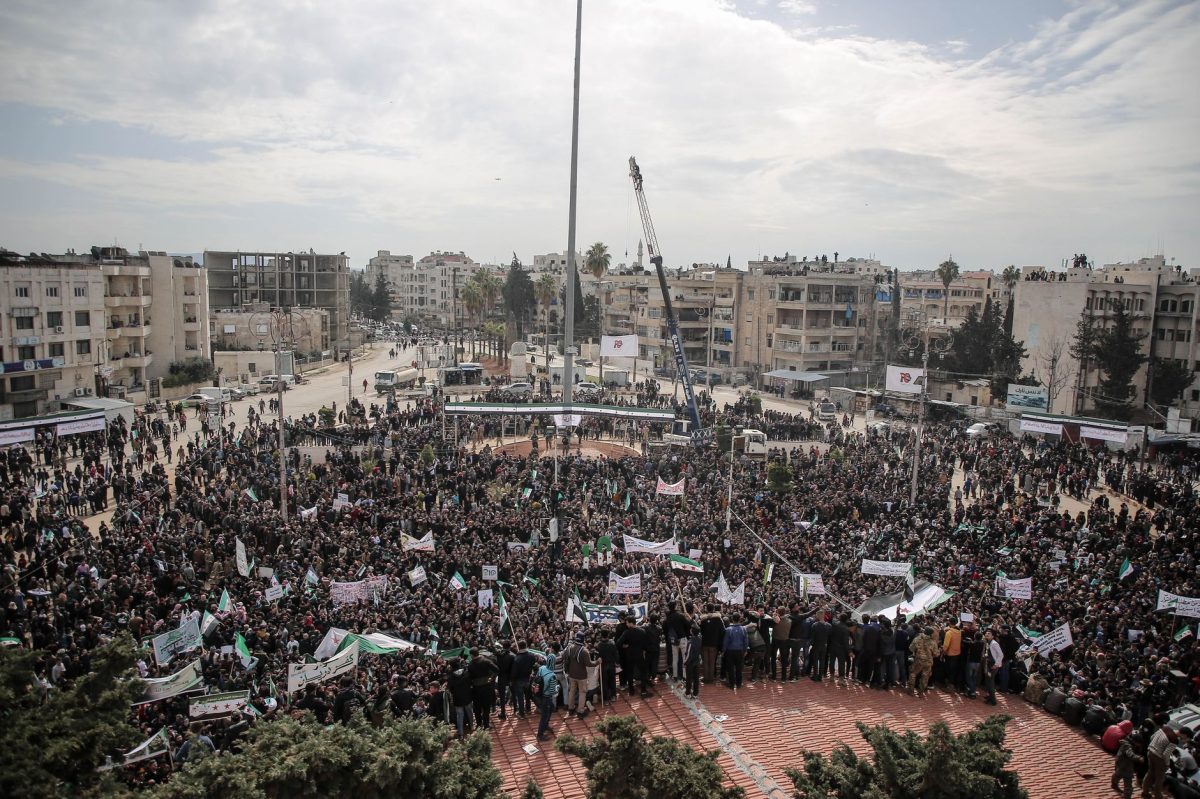
Ukrainian Drones Target Annexed Crimea's Infrastructures, Seeking Retribution

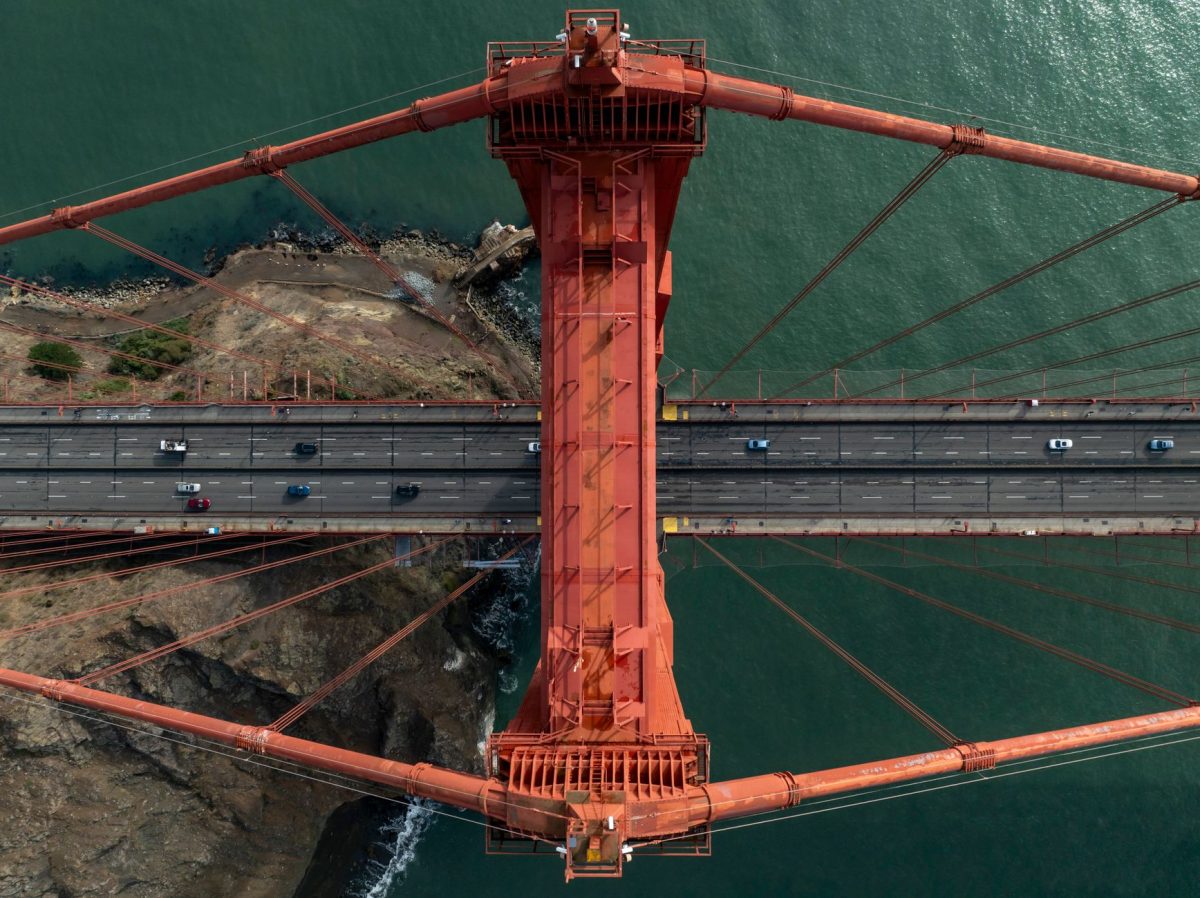
In recent weeks, Ukrainian drones have launched a series of attacks on Crimea's infrastructure, targeting bridges, power plants, and other critical facilities. This escalation marks a significant shift in Kyiv's military strategy, aimed at weakening Russia's grip on the peninsula. The implications of these attacks are far-reaching, with potential consequences for both Ukraine and Russia. As the situation unfolds, one thing is clear: Crimea is becoming a key battleground in the ongoing conflict.
Ukraine's Drone Campaign Heats Up
According to sources close to the Ukrainian military, the drone attacks on Crimea's infrastructure began in late April, with a series of strikes targeting key bridges and power plants. The attacks have continued sporadically since then, with Ukrainian officials attributing the campaign to a growing frustration with Moscow's continued occupation of the peninsula. "We will not tolerate Russia's aggression and will do everything in our power to disrupt their operations," said a spokesperson for the Ukrainian military. The drone attacks have been carried out using a combination of Ukrainian-made and foreign-supplied drones, with officials confirming that the strikes have caused significant damage to Crimea's infrastructure. One notable example of the drone attacks was the strike on the Kerch Bridge, a critical transportation artery connecting Crimea to mainland Russia. The bridge, which was repaired in 2023 after being damaged in a earlier attack, sustained significant damage in the latest strike, with Ukrainian officials claiming that the bridge is no longer operational.
The Broader Implications
The drone campaign against Crimea's infrastructure has significant implications for both Ukraine and Russia. For Ukraine, the attacks represent a bold move to reclaim control of a territory that has been under Russian occupation since 2014. By targeting critical infrastructure, Kyiv is seeking to weaken Russia's ability to maintain control over the peninsula, paving the way for a potential military push to retake Crimea. For Russia, the attacks are a clear indication of the growing threat to its hold on the region. The Kremlin has yet to respond to the drone attacks, but officials have warned of a potential escalation of hostilities. As one analyst noted, "The drone campaign against Crimea is a game-changer for Ukraine, as it allows them to attack Russian targets without risking direct military confrontation."

“We will not tolerate Russia's aggression and will do everything in our power to disrupt their operations. — Ukrainian military spokesperson, in an interview with OMGHive.com”
What We Don't Know Yet
Despite the growing sophistication of Ukraine's drone campaign, there are still significant questions surrounding the attacks. One key question is the extent to which Ukraine is receiving foreign support for the drone attacks. While officials have confirmed that some foreign-supplied drones are being used in the campaign, the exact nature and extent of that support remains unclear. Additionally, there are concerns about the potential civilian casualties resulting from the drone strikes. While Ukrainian officials have claimed that the strikes are targeted, there is a risk that innocent civilians could be caught in the crossfire. As one expert noted, "The drone campaign against Crimea is a complex operation, and there are many factors at play that are not yet clear."
What to Watch
In the coming days and weeks, several key developments are likely to shape the trajectory of the drone campaign against Crimea. One key factor to watch is the response of the Russian military, which has yet to respond to the drone attacks. Officials in Moscow have hinted at a potential escalation of hostilities, but it remains to be seen how they will respond. Additionally, the situation on the ground in Crimea will continue to evolve, with potential changes to the peninsula's infrastructure and military presence. One key figure to watch is Vladimir Putin, who has yet to comment publicly on the drone attacks. His response will likely set the tone for Russia's response to the campaign.
Despite being a relatively new technology, drones have been used in warfare for over 20 years, with the first recorded use of drones in combat being in the 1990s.
The drone campaign against Crimea's infrastructure marks a significant shift in Kyiv's military strategy, aimed at weakening Russia's grip on the peninsula. As the situation unfolds, it is essential to remain vigilant and adapt to the changing landscape. The implications of these attacks are far-reaching, with potential consequences for both Ukraine and Russia. One thing is clear: Crimea is becoming a key battleground in the ongoing conflict.