Over 1,700 Displaced in Ghana's Western Region Floods

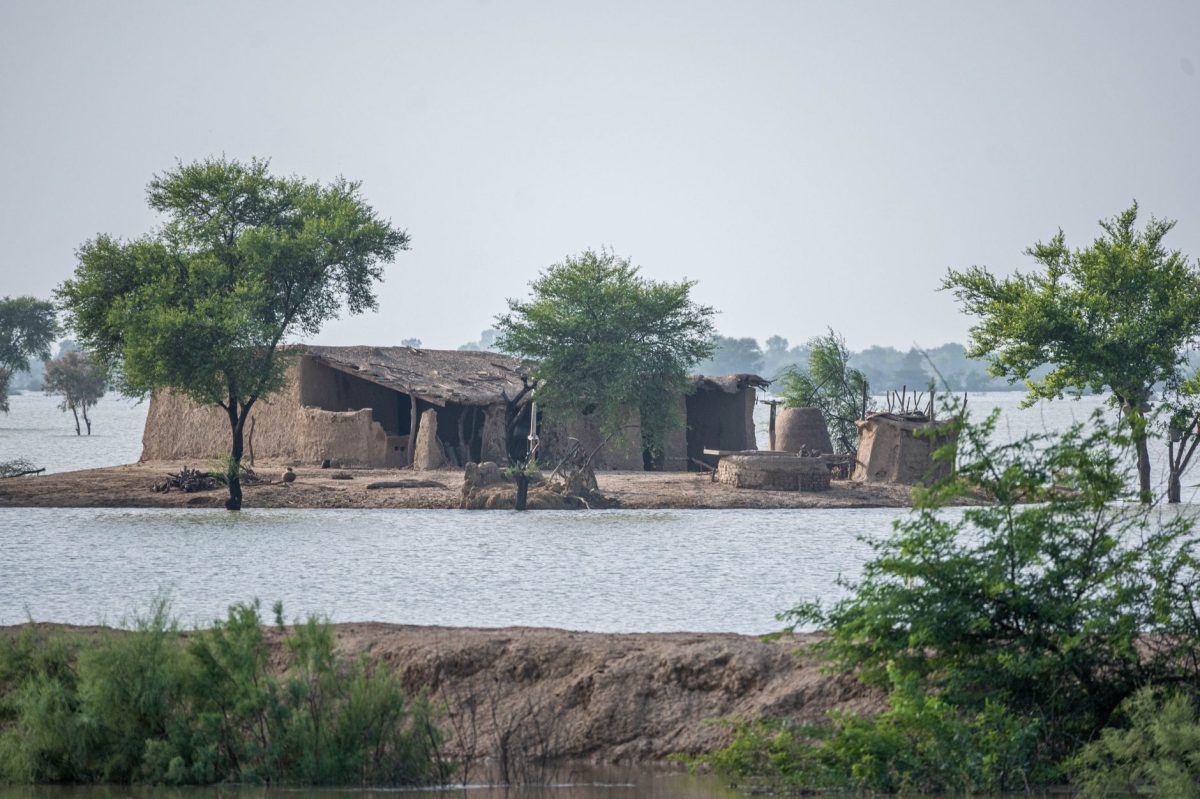
More than 1,710 people have been forced to flee their homes after torrential rains caused severe flooding in the Wassa Amenfi West Municipality of Ghana's Western Region. This devastating event highlights the importance of disaster preparedness and the need for effective emergency response systems. As the region continues to recover from the disaster, the full extent of the damage is still being assessed.
What Happened
According to reports from the Ghanaian Times, the floods were triggered by nearly a week of torrential rains in the Wassa Amenfi West Municipality of the Western Region. The heavy rainfall caused the rivers to burst their banks, resulting in widespread flooding that affected several communities. The affected areas include the town of Wassa Amenfi, where many residents were forced to evacuate their homes due to the rising floodwaters. The Wassa Amenfi West Municipal Assembly has set up emergency shelters to provide temporary accommodation for the displaced people. In an interview with the Ghanaian Times, the Municipal Chief Executive, Amoakohene Ampofo, stated that the assembly is working tirelessly to provide relief to the affected communities. 'We are doing our best to provide food, shelter, and medical care to the affected people,' he said.
Why It Matters
The displacement of over 1,700 people in Ghana's Western Region is a stark reminder of the impact of natural disasters on vulnerable communities. The floods have not only caused destruction of homes and livelihoods but have also disrupted the daily lives of thousands of people. The affected communities are in dire need of support, and it is essential that the government and humanitarian organizations respond quickly and effectively to provide relief. Furthermore, the floods highlight the need for climate-resilient infrastructure and disaster preparedness measures to mitigate the impact of future floods. By investing in disaster risk reduction, Ghana can reduce the vulnerability of its communities and save lives.


“We are doing our best to provide food, shelter, and medical care to the affected people.”
What We Don't Know Yet
While the immediate needs of the affected communities are being addressed, there are still many questions that remain unanswered. The full extent of the damage to infrastructure and property is still being assessed, and it is unclear how long it will take for the affected communities to recover. Additionally, the long-term impact of the floods on the region's ecosystem and agricultural production is unknown. Furthermore, the role of climate change in exacerbating the floods is still being investigated. As the situation continues to unfold, it is essential to remain vigilant and monitor the situation closely.
Key Takeaways
- Ghana's Western Region has been affected by severe flooding, displacing over 1,700 people.
- The floods were triggered by nearly a week of torrential rains in the Wassa Amenfi West Municipality.
- The affected communities are in dire need of support, and it is essential that the government and humanitarian organizations respond quickly and effectively.
- The full extent of the damage to infrastructure and property is still being assessed.
- The long-term impact of the floods on the region's ecosystem and agricultural production is unknown.
What to Watch
In the next 24-72 hours, it is essential to monitor the situation in the Western Region of Ghana. The affected communities are in dire need of support, and it is crucial that the government and humanitarian organizations respond quickly and effectively. The key people to watch include the Wassa Amenfi West Municipal Chief Executive, Amoakohene Ampofo, and the Ghanaian government's disaster management team. Realistic outcomes include the provision of relief aid to the affected communities and the implementation of disaster preparedness measures to mitigate the impact of future floods.
Flooding can actually help to replenish groundwater sources and improve soil quality, highlighting the complex relationship between natural disasters and the environment.
The displacement of over 1,700 people in Ghana's Western Region is a stark reminder of the impact of natural disasters on vulnerable communities. As the region continues to recover from the disaster, it is essential that the government and humanitarian organizations respond quickly and effectively to provide relief. By investing in disaster risk reduction, Ghana can reduce the vulnerability of its communities and save lives.