US Resumes Air Strikes in Somalia After Brief Pause, Africom Says

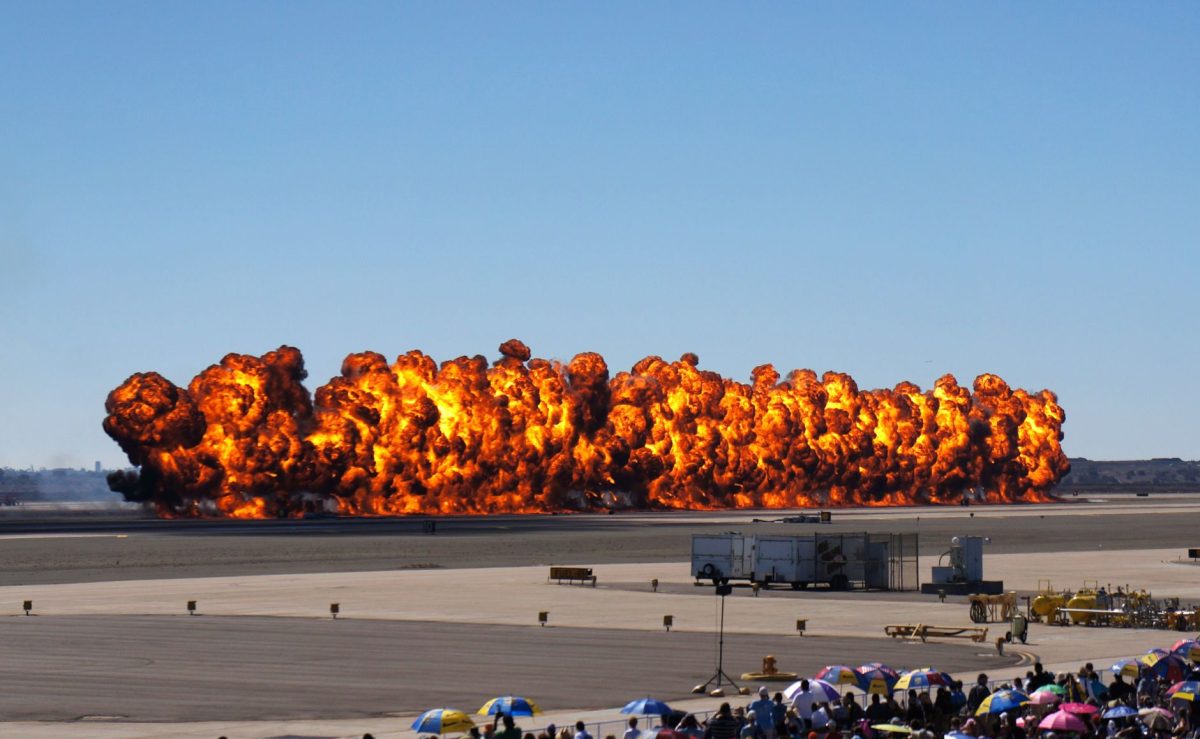
The US has resumed air strikes in Somalia, with the latest operations targeting Al-Shabaab militants. This development is significant as it comes after a brief pause in US military activities in the region. The resumption of air strikes will likely have far-reaching implications for the people of Somalia and the wider region.
US Air Strikes Resume in Somalia
According to a statement from Africom, the US has resumed air strikes in Somalia, carrying out a series of operations against Al-Shabaab militants. The operations were conducted in coordination with the Somali government. Africom spokesperson Colonel Chris Karns confirmed that the air strikes were aimed at disrupting Al-Shabaab's ability to plan and carry out terrorist attacks. In a separate interview, a senior government official in Mogadishu told Shabelle that the air strikes were 'a significant blow' to Al-Shabaab's operations in the region. The official added that the Somali government was working closely with the US military to target Al-Shabaab's leadership and infrastructure. The US military has been involved in the fight against Al-Shabaab for several years, providing air support and training to Somali forces.
Why It Matters: Implications for Somalia and the Region
The resumption of US air strikes in Somalia is significant because it underscores the US military's commitment to combating terrorism in the region. Al-Shabaab has been responsible for numerous attacks in Somalia and neighboring countries, including Kenya and Uganda. The group's ability to plan and carry out terrorist attacks has been a major concern for regional governments and international partners. The US military's actions in Somalia are part of a broader effort to disrupt and dismantle Al-Shabaab's network, said a senior official at the US State Department. The official added that the US was working closely with regional governments and international partners to develop a comprehensive strategy to counter Al-Shabaab's activities. The success of this strategy will depend on a range of factors, including the ability of Somali forces to take control of key areas and the effectiveness of US military support.


“The US military's actions in Somalia are part of a broader effort to disrupt and dismantle Al-Shabaab's network”
What We Don't Know Yet: Uncertainty and Gaps
Despite the US military's commitment to combating terrorism in Somalia, there are still significant uncertainties and gaps in our understanding of the situation. One major concern is the impact of US air strikes on civilian populations in Somalia. While the US military takes precautions to minimize civilian casualties, the risk of harm to non-combatants remains a significant concern. The exact number of civilian casualties in recent US air strikes in Somalia is unclear, said a senior official at the UN Office for the Coordination of Humanitarian Affairs. The official added that the UN was working closely with the Somali government and international partners to gather data on the impact of US military operations in Somalia. Another significant gap in our understanding is the extent to which Al-Shabaab's leadership and infrastructure have been disrupted by recent US air strikes. While the US military has claimed significant successes in its operations against Al-Shabaab, the group's ability to adapt and evolve remains a major concern.
Key Takeaways
- The US has resumed air strikes in Somalia after a brief pause, according to Africom.
- The operations were aimed at disrupting Al-Shabaab's ability to plan and carry out terrorist attacks.
- The US military has been involved in the fight against Al-Shabaab for several years, providing air support and training to Somali forces.
- The success of the US military's strategy in Somalia will depend on a range of factors, including the ability of Somali forces to take control of key areas and the effectiveness of US military support.
What to Watch: Key Developments in the Next 24-72 Hours
In the next 24-72 hours, several key developments are likely to unfold in Somalia. One major development to watch is the response of Al-Shabaab to the US military's air strikes. The group has been known to respond to US military operations with violence, and it is likely that Al-Shabaab will attempt to retaliate against US and Somali forces in the coming days. Another key development to watch is the impact of US air strikes on the humanitarian situation in Somalia. While the US military takes precautions to minimize civilian casualties, the risk of harm to non-combatants remains a significant concern. The Somali government will likely face significant challenges in responding to the humanitarian needs of affected communities, said a senior official at the UN Office for the Coordination of Humanitarian Affairs. The official added that the UN was working closely with the Somali government and international partners to provide humanitarian assistance to those affected by the conflict.
Despite being a militant group, Al-Shabaab has a sophisticated taxation system, generating millions of dollars in revenue each year from taxing local businesses and farmers.
The resumption of US air strikes in Somalia underscores the complexity and uncertainty of the situation on the ground. While the US military's commitment to combating terrorism in Somalia is clear, there are still significant uncertainties and gaps in our understanding of the situation. As the situation continues to evolve, it is essential to remain vigilant and informed.