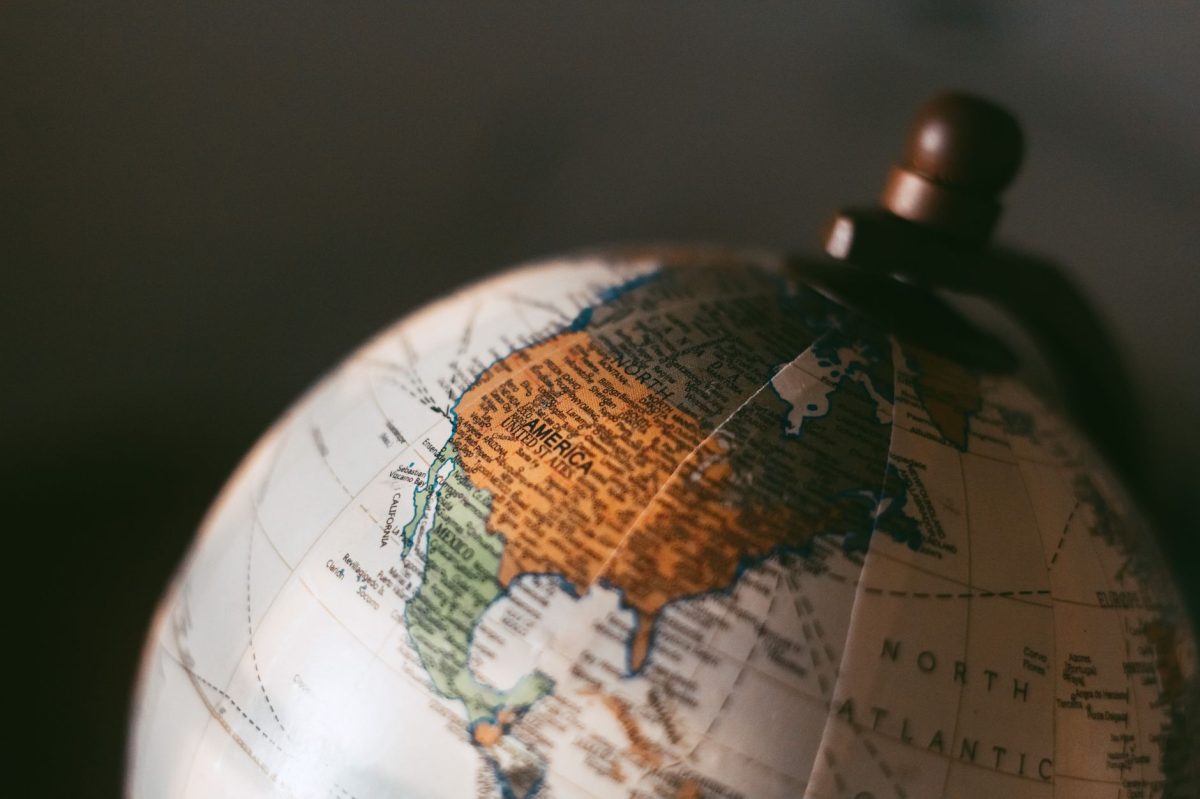
Africa: Ocean Leaders Warn Time Is Running Out for 30x30 High Seas Treaty Goal by 2030

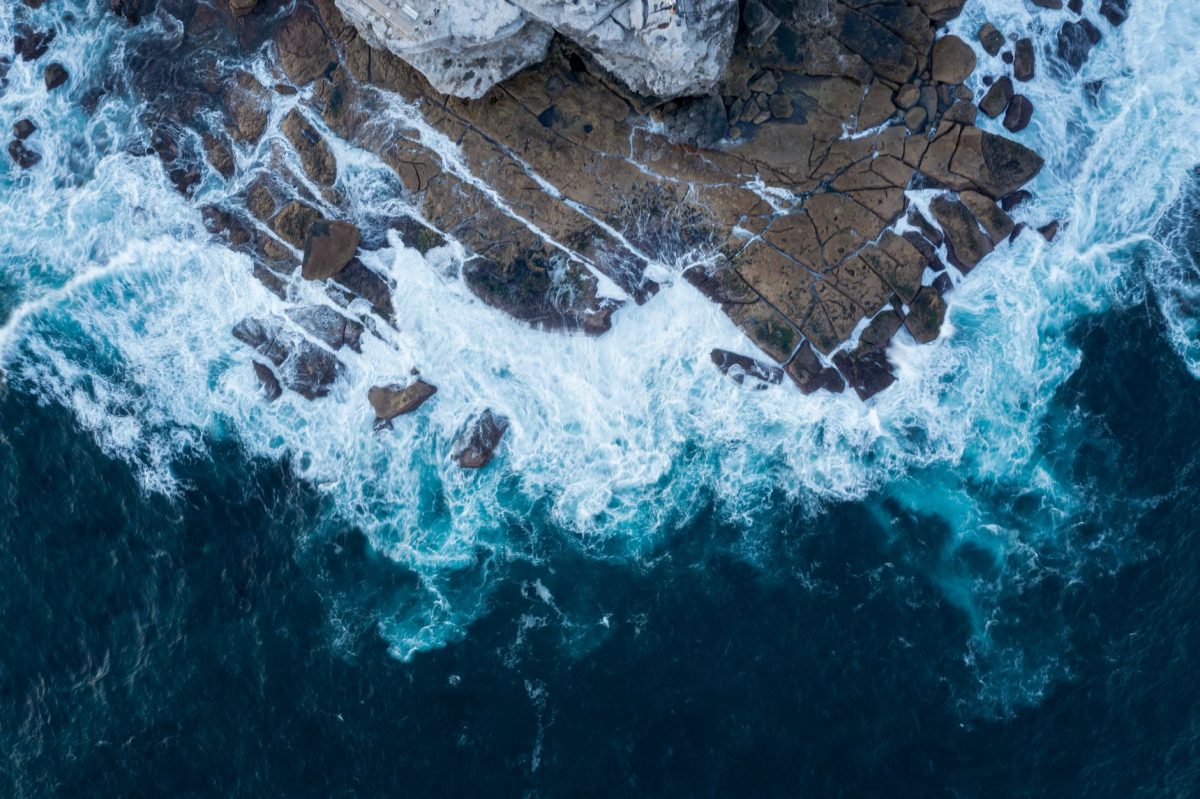
The High Seas Treaty, also known as the BBNJ agreement, aims to conserve and manage marine biodiversity in international waters. The 30x30 goal, endorsed by the Convention on Biological Diversity, seeks to protect 30% of the planet's oceans by 2030. In Africa, ocean leaders are warning that time is running out to achieve this ambitious target. With 2030 looming, the urgency is palpable, and the consequences of inaction will be severe. The High Seas Treaty is a critical component of the global effort to protect marine ecosystems, but its success depends on the cooperation of 120 countries, making it a complex and challenging process.
Mombasa, Kenya: Ocean Leaders Sound the Alarm on the 30x30 Goal
According to a report by [allAfrica], ocean leaders from across Africa gathered in Mombasa, Kenya, to discuss the progress of the High Seas Treaty negotiations. The meeting, held in May, brought together experts and policymakers to share insights and experiences in the pursuit of the 30x30 goal. The attendees emphasized the need for a coordinated and inclusive approach to achieve the target, as well as the importance of engaging local communities in the conservation efforts.
The Broader Implications of the 30x30 Goal
The 30x30 goal is not just a environmental target; it has far-reaching implications for the livelihoods of millions of people who depend on the oceans for their income and food security. The protection of marine ecosystems will help maintain the health of fisheries, which are a vital source of protein for many communities. Furthermore, the preservation of coral reefs and other coastal ecosystems will support the tourism industry, a key sector in many African economies. In addition, the 30x30 goal is closely linked to the goals of the United Nations' Sustainable Development Agenda, which aims to promote sustainable development and eradicate poverty by 2030. By achieving the 30x30 goal, countries will be taking a significant step towards realizing these broader objectives. The success of the High Seas Treaty will have a direct impact on the well-being of millions of people.
“We must work together to ensure that the High Seas Treaty is a success. The next few years will be critical in determining the fate of our oceans.”
What We Don't Know Yet: The Uncertainties and Challenges Ahead
Despite the progress made in the High Seas Treaty negotiations, there are still many uncertainties and challenges that need to be addressed. One of the key concerns is the lack of funding for the implementation of the treaty, which will require significant resources to support conservation efforts and protect marine ecosystems. Another challenge is the need to engage local communities in the conservation efforts, which will require a significant investment in education and outreach programs. Furthermore, the treaty will need to balance the competing interests of different countries and stakeholders, which will be a complex and challenging process. The success of the High Seas Treaty will depend on the ability of countries to work together and find common ground.
Key Takeaways
- The High Seas Treaty aims to conserve and manage marine biodiversity in international waters.
- The 30x30 goal seeks to protect 30% of the planet's oceans by 2030.
- Ocean leaders from Africa are warning that time is running out to achieve the 30x30 goal.
- The success of the High Seas Treaty will depend on the cooperation of 120 countries.
- The treaty will need to balance competing interests and engage local communities in conservation efforts.
What to Watch: The Next Steps in the High Seas Treaty Negotiations
The next few months will be critical in determining the outcome of the High Seas Treaty negotiations. The negotiations are expected to culminate in a final agreement in Nairobi, Kenya, in July 2024. In the lead-up to this meeting, countries will need to work together to resolve the outstanding issues and agree on a framework for the implementation of the treaty. The key players in the negotiations will be the countries that have signed the treaty, including the United States, China, and the European Union. The outcome of the negotiations will have a direct impact on the success of the 30x30 goal and the future of the world's oceans.
Interestingly, the largest living structure on Earth, the Great Barrier Reef, is not only home to a vast array of marine life, but also provides significant economic benefits to the Australian economy, with an estimated value of over $6.4 billion per year.
The High Seas Treaty and the 30x30 goal are critical components of the global effort to protect marine ecosystems. The success of these initiatives will have a direct impact on the well-being of millions of people who depend on the oceans for their income and food security. As the negotiations continue, it is essential that countries work together to find solutions and achieve the target. The future of the world's oceans depends on it.