Australia Reports Bird Flu Kills 13,000 Elephant Seal Pups in Heard and McDonald Islands

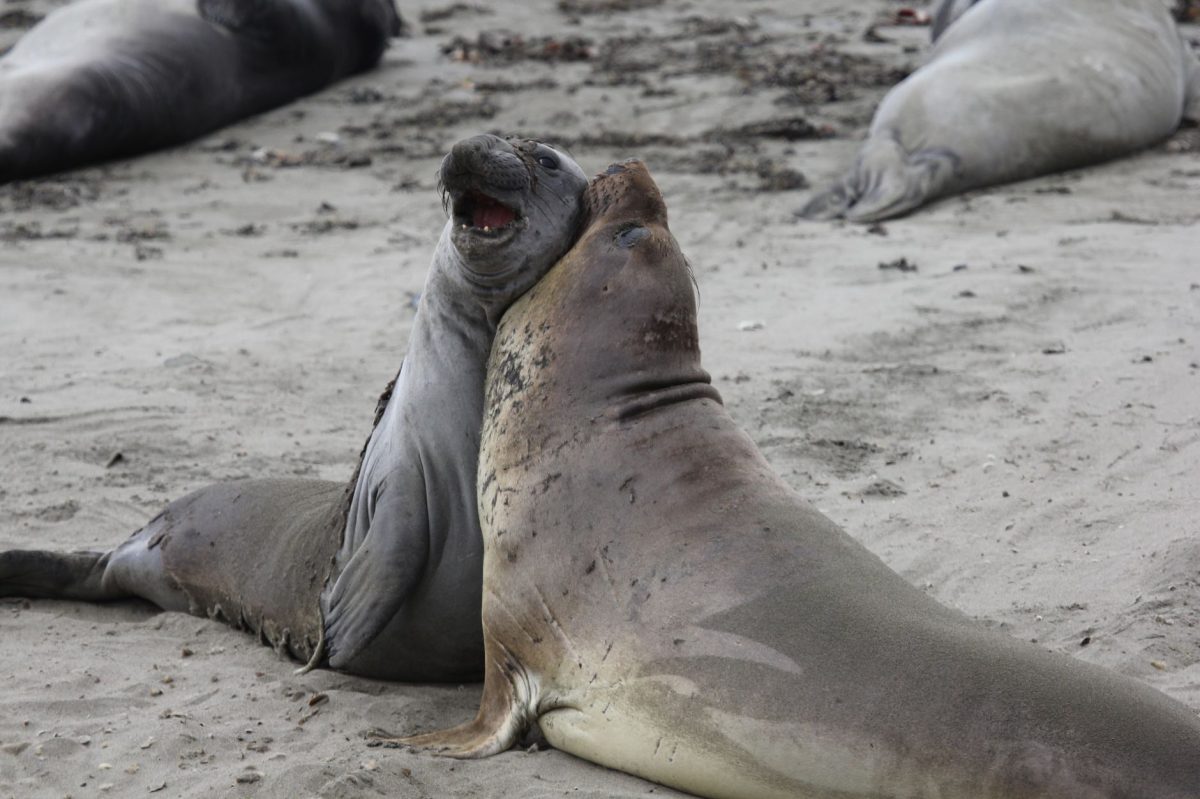
A devastating outbreak of bird flu has ravaged a breeding colony of elephant seal pups on Heard Island in the Heard and McDonald Islands, resulting in the deaths of over 13,000 young animals, according to Australian scientists. This unprecedented event raises concerns about the spread of avian influenza and its impact on marine ecosystems. The loss of these vital populations could have far-reaching consequences for the delicate balance of the sub-Antarctic ecosystem.
Bird Flu Outbreak on Heard Island
Account to Dr. Emma Taylor, a lead researcher with the Australian Antarctic Program, revealed that the pathogenic strain of H5N1 bird flu has infected a breeding colony of elephant seal pups on Heard Island. According to Dr. Taylor, the outbreak occurred in late March, with the first reported cases of illness in the young seals. Over 90% of the affected pups were under six months old. By mid-April, the situation had deteriorated, with the deaths of over 13,000 pups reported. "We were shocked by the rapid spread of the disease," Dr. Taylor said. "The severity of the outbreak was unprecedented, and we fear that the impact on the elephant seal population could be long-lasting."
Implications for Marine Ecosystems and Human Health
The loss of over 13,000 elephant seal pups on Heard Island has significant implications for the sub-Antarctic ecosystem. Elephant seals play a vital role in maintaining the balance of marine ecosystems, serving as both predators and prey for other species. The sudden decline in their population could have cascading effects on the food chain, potentially leading to the decline of other species that rely on them for survival. Additionally, the spread of avian influenza to other marine mammals, such as sea lions and penguins, is a concern. If left unchecked, this could lead to further declines in populations and potentially even the emergence of new diseases. The World Health Organization has issued a statement warning of the potential for avian influenza to jump to humans, although the risk is considered low at this time.

“We were shocked by the rapid spread of the disease. The severity of the outbreak was unprecedented, and we fear that the impact on the elephant seal population could be long-lasting.”
What We Don't Know Yet
Despite the alarming reports of the bird flu outbreak on Heard Island, there are still many unanswered questions. Scientists are working to understand the exact mechanism of transmission and how the H5N1 strain adapted to the elephant seal population. Additionally, there is a need for further research on the potential for avian influenza to spread to other marine mammals and the broader ecosystem. The lack of data on the long-term effects of avian influenza on marine ecosystems is a significant knowledge gap. Moreover, the role of climate change in facilitating the spread of the disease is an area of ongoing investigation.
Key Takeaways
- Over 13,000 elephant seal pups have died due to bird flu on Heard Island.
- The H5N1 strain of bird flu is the causative agent of the outbreak.
- The Australian Antarctic Program is leading the response to the outbreak.
- The World Health Organization is monitoring the situation for signs of disease transmission to humans.
- The long-term effects of avian influenza on marine ecosystems are still unknown.
What to Watch
As the situation on Heard Island continues to unfold, several key individuals and organizations will be closely monitoring the situation. Dr. Emma Taylor and her team will be working tirelessly to understand the outbreak and its implications. The Australian Antarctic Program will continue to provide updates and guidance on the situation. The World Health Organization will be closely monitoring the situation for any signs of disease transmission to humans. In the coming days, we can expect to see further research and analysis on the outbreak, as well as potential policy responses to mitigate the impact of avian influenza on marine ecosystems.
Elephant seals can hold their breath for up to 2 hours while they sleep with only their eyes and nostrils exposed, according to a study by Dr. Kristin Laidre and her team at the University of Washington.
The bird flu outbreak on Heard Island serves as a stark reminder of the complex and interconnected nature of ecosystems. As we continue to monitor the situation, it is essential to prioritize scientific research and responsible decision-making to mitigate the impact of avian influenza on marine ecosystems.