Breaking: Jordan Bardella Vows to Shift EU Course and Win 2027 Polls — Everything We Know

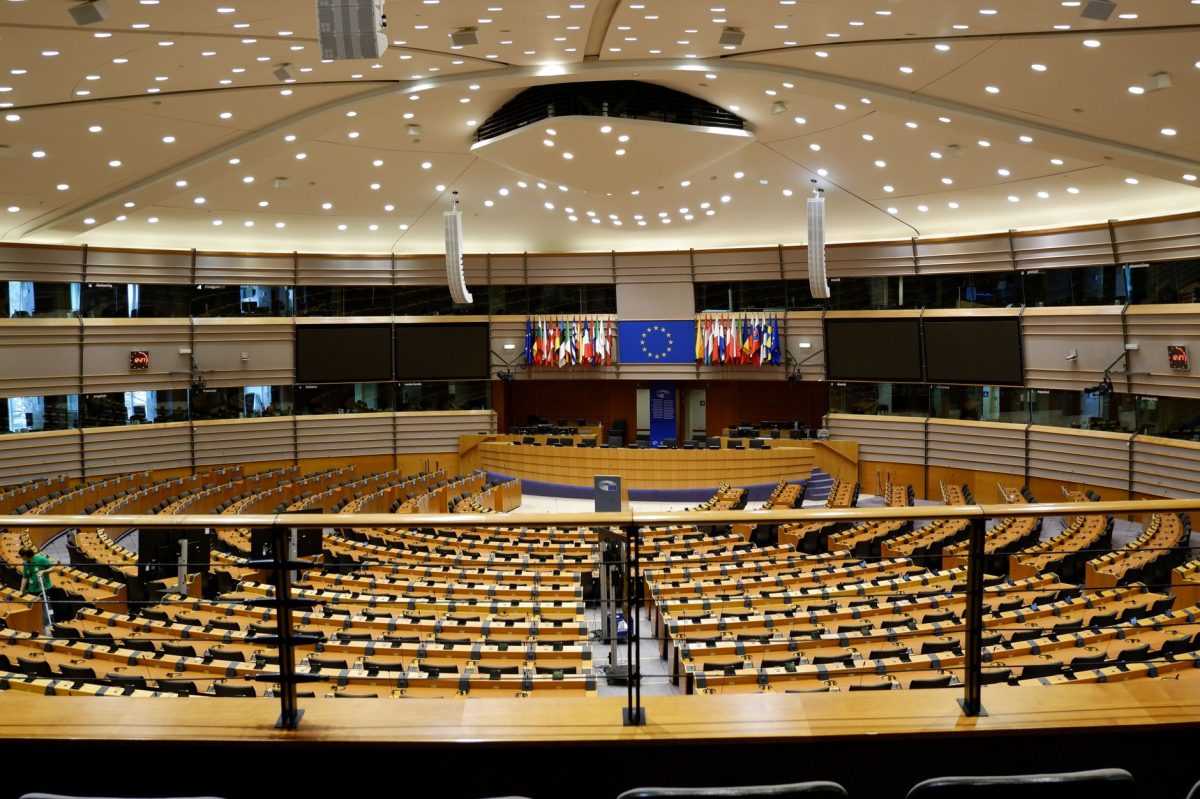
Jordan Bardella, leader of France's far-right National Rally, has set his sights on the 2027 French presidential election, vowing to shift the course of the European Union and put its institutions back at the service of EU member states. This bold move has significant implications for France, the EU, and the rest of Europe. Bardella's promise to reorient the EU's priorities has sparked both excitement and concern among EU leaders and citizens, with many wondering what a change in the EU's direction would mean for their lives and livelihoods.
Jordan Bardella's EU Shift Plans
According to an interview with Le Figaro, the French daily newspaper, Bardella said:
What a Shift in the EU's Course Means for Ordinary People
A shift in the EU's course would have far-reaching consequences for EU citizens, businesses, and economies. If Bardella's vision for the EU becomes a reality, it would likely mean a significant decrease in EU regulation and bureaucracy, potentially leading to increased economic freedom and competitiveness for EU member states. However, this could also result in a loss of social protections and benefits that EU citizens currently enjoy, such as the free movement of people and goods within the EU. Additionally, a more nationalist EU would likely lead to increased tensions with other EU member states, potentially destabilizing the EU's delicate balance of power. Bardella's plan to reduce EU regulation could also have significant environmental implications, potentially leading to a relaxation of strict EU environmental standards and regulations. This could have devastating consequences for the environment and public health. On the other hand, a more decentralized EU could also lead to increased innovation and entrepreneurship, as national governments and businesses are given more freedom to experiment and innovate. Ultimately, the impact of a shift in the EU's course would depend on the specifics of Bardella's plan and how it is implemented.


“We want to put the Commission and the EU back at the service of the nations and no longer the other way around,”
What We Don't Know Yet
While Bardella has outlined his vision for the EU, many details about his plan remain unclear. For example, how would he propose to reduce EU regulation and bureaucracy, and what specific policies would he implement to achieve his goals? How would he balance the interests of different EU member states, and what would he do to address the potential consequences of a more nationalist EU? Many questions remain about Bardella's plan, and it is unclear how he would navigate the complex EU decision-making process. The EU's institutions and member states would need to be convinced of the merits of Bardella's plan, and a shift in the EU's course would require significant changes to EU laws and regulations. Additionally, Bardella's plan would need to be implemented in a way that does not harm the EU's existing social and economic achievements, such as the single market and the free movement of people. These achievements have been a cornerstone of the EU's success and would need to be carefully considered in any changes to the EU's course.
Key Takeaways
- Jordan Bardella vows to shift the EU's course and put the Commission back at the service of nations.
- Bardella's plan would likely mean a significant decrease in EU regulation and bureaucracy.
- A more nationalist EU could lead to increased tensions with other EU member states and potentially destabilize the EU's balance of power.
- The EU's institutions and member states would need to be convinced of the merits of Bardella's plan.
- Bardella's plan would need to be implemented in a way that does not harm the EU's existing social and economic achievements.
What to Watch
In the coming days and weeks, key EU leaders and citizens will be watching closely to see how Bardella's plan unfolds. Bardella will need to continue to build support among EU citizens and leaders, and his party will need to demonstrate that it has the capacity to govern effectively. The EU's institutions will also be closely monitoring Bardella's plan, and EU leaders will need to decide whether to support or oppose his vision for the EU. Meanwhile, EU citizens will be watching to see how Bardella's plan affects their lives and livelihoods, and whether it leads to increased economic freedom and competitiveness, or a loss of social protections and benefits.
The European Union has a higher GDP than the United States, but its military spending is less than 50% of the US military budget.
In conclusion, Jordan Bardella's vow to shift the EU's course and put the Commission back at the service of nations has sparked both excitement and concern among EU leaders and citizens. While many details about his plan remain unclear, it is clear that it has significant implications for the EU and its citizens. As we continue to monitor the situation, it is essential to consider the potential consequences of a shift in the EU's course and to keep an eye on the details of Bardella's plan.