Ethiopia's Landslide Victory Hides a Deepening Crisis for Millions

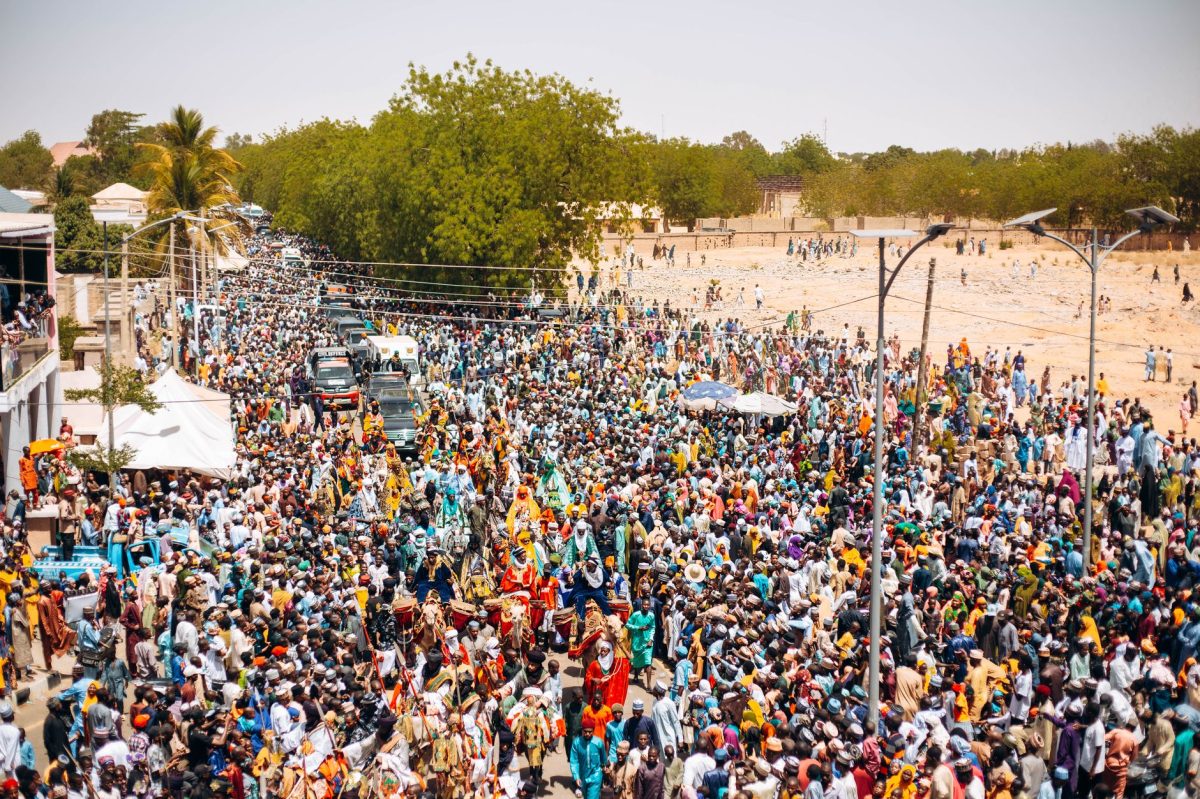
Ethiopia's Prime Minister Abiy Ahmed secured a landslide victory in the country's recent elections, but beneath the surface, a complex web of economic instability and diplomatic fallout threatens the daily lives of millions. The Ethiopian economy has been on a downward spiral, with inflation rates reaching 40%, and a severe drought affecting over 8 million people. This reality is a stark contrast to the celebrations of the election outcome, leaving many to wonder what the future holds for this East African nation.
A Landslide Victory with a Hidden Cost
Ethiopia's Prime Minister Abiy Ahmed secured a landslide victory in the country's recent elections, winning 410 out of 436 seats in the country's parliament. According to a statement made by Abiy Ahmed, the election was a
The Human Cost of Economic Instability
The Ethiopian economy has been on a downward spiral, with inflation rates reaching 40% and a severe drought affecting over 8 million people. This economic instability has a direct impact on the daily lives of ordinary Ethiopians, with many struggling to access basic necessities such as food and healthcare. According to a report by the World Bank, over 80% of Ethiopians live on less than $3.10 a day, leaving them vulnerable to the country's economic fluctuations. The drought has also had a devastating impact on the country's agricultural sector, with many farmers forced to abandon their crops due to the lack of rainfall. The effects of the drought are not limited to agriculture, with the country's water supply also under threat.

“The election outcome is a celebration of democracy, but we must not forget the underlying issues that led to this outcome. We must work together to address the economic instability and ensure that the benefits of democracy reach all Ethiopians.”
The International Community's Concerns
Ethiopia's recent election has also raised concerns among the international community, with many criticizing the government's handling of the electoral process. The United States, the European Union, and the African Union have all expressed concerns over the election outcome, with some calling for a re-run of the polls. The international community's concerns are not limited to the election outcome, with many also criticizing the government's human rights record and treatment of opposition parties. The international community's concerns are also fueled by the country's diplomatic fallout with neighboring countries, including Eritrea and Somalia.
Key Takeaways
- Ethiopia's Prime Minister Abiy Ahmed secured a landslide victory in the country's recent elections, winning 410 out of 436 seats in parliament.
- The election outcome was marked by a low turnout of voters, with only 38% of eligible voters casting their ballots.
- The Ethiopian economy has been on a downward spiral, with inflation rates reaching 40% and a severe drought affecting over 8 million people.
- The government's handling of the economic crisis will be under the spotlight
- International community's concerns are also fueled by the country's diplomatic fallout
What to Watch in the Coming Days
In the coming days, the international community will be watching Ethiopia closely, with many expecting a significant shift in the country's diplomatic relations. The United States, the European Union, and the African Union are all expected to take a more active role in the country's affairs, with some calling for economic sanctions against the government. The government's handling of the economic crisis will also be under the spotlight, with many expecting significant measures to be taken to mitigate the effects of the drought and inflation. A key person to watch in the coming days is the United States Ambassador to Ethiopia, who has been vocal in his criticism of the government's handling of the electoral process.
Despite the country's economic crisis, Ethiopia has been experiencing a significant growth in its tech industry, with many startups and entrepreneurs emerging in the country's capital, Addis Ababa.
As the international community watches Ethiopia closely, it is clear that the country's recent election outcome has only scratched the surface of the complex issues that plague this East African nation. The road ahead will be challenging, but with a commitment to addressing the underlying issues, there is hope for a better future for the millions of Ethiopians who call this country home.