Albania's Government Faces Backlash over Approval of Kushner-Linked Luxury Resort

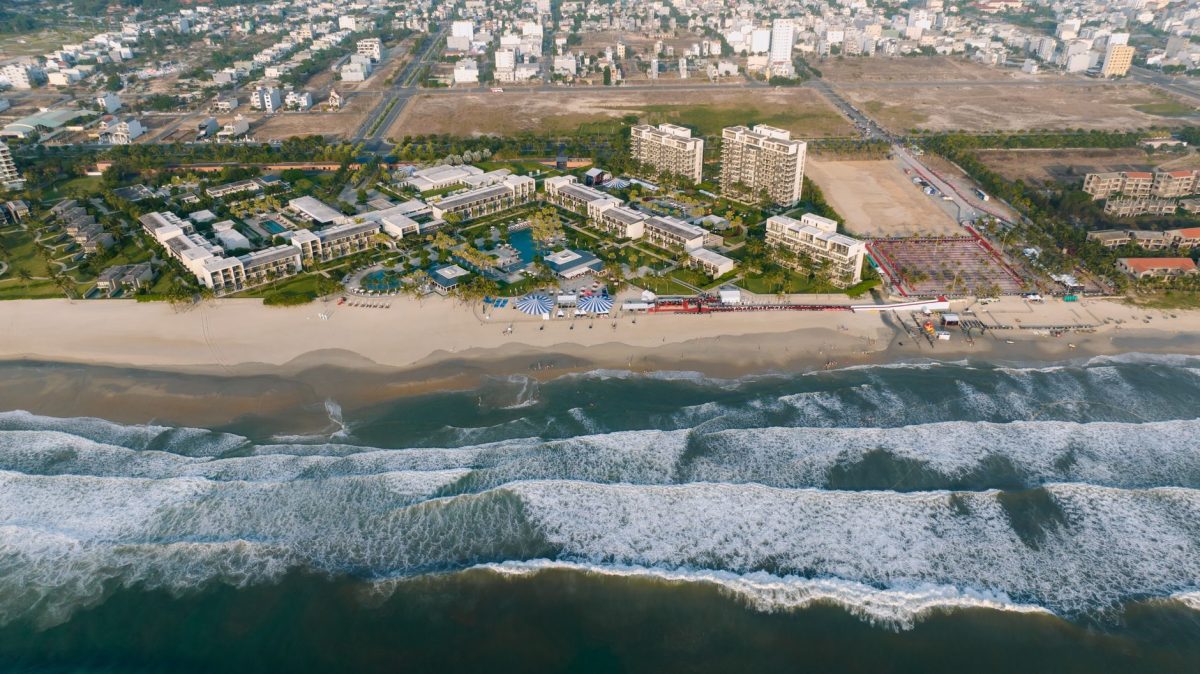
The Albanian government has given preliminary approval to plans for a luxury resort linked to Jared Kushner, a senior advisor to former US President Donald Trump. This decision has sparked widespread protests and legal challenges from environmental groups, who argue that the project will harm the country's fragile ecosystem. The resort, which is part of a larger development project, is set to be built along a stretch of Albania's coastline, a popular tourist destination. This development raises concerns about the impact of unchecked tourism on Albania's natural resources and the livelihoods of local communities.
Preliminary Approval and Protests
The Albanian government announced its preliminary approval of the luxury resort project on April 10, 2023, sparking immediate protests from environmental groups. According to the Albanian Environmental Governance (AEG) organization, which has been at the forefront of the protests, the government's decision was made without proper consultation with local communities or adequate assessment of the project's environmental impact. The AEG's Director, Elona Lushi, stated that the government's haste in approving the project is 'alarming,' and that the decision will have 'devastating consequences' for the country's ecosystem. The luxury resort is part of a larger development project that includes the construction of a marina, hotels, and other tourist infrastructure. The project is being developed by a consortium of companies, including one linked to Jared Kushner, a senior advisor to former US President Donald Trump.
The Broader Pattern of Unchecked Tourism
The approval of the luxury resort project is part of a broader trend of unchecked tourism in Albania. The country's coastline has seen a surge in tourist development in recent years, with many projects being approved without proper environmental impact assessments. This has led to concerns about the impact of tourism on Albania's fragile ecosystem, including the degradation of natural habitats, pollution of water sources, and displacement of local communities. The AEG has warned that the unchecked growth of tourism will have 'catastrophic consequences' for the country's environment and economy. According to the AEG, the tourism sector currently accounts for over 10% of Albania's GDP, and the country's government is heavily reliant on tourism revenue. However, the sector's growth has been largely unregulated, with many projects being approved without adequate assessment of their environmental and social impacts.
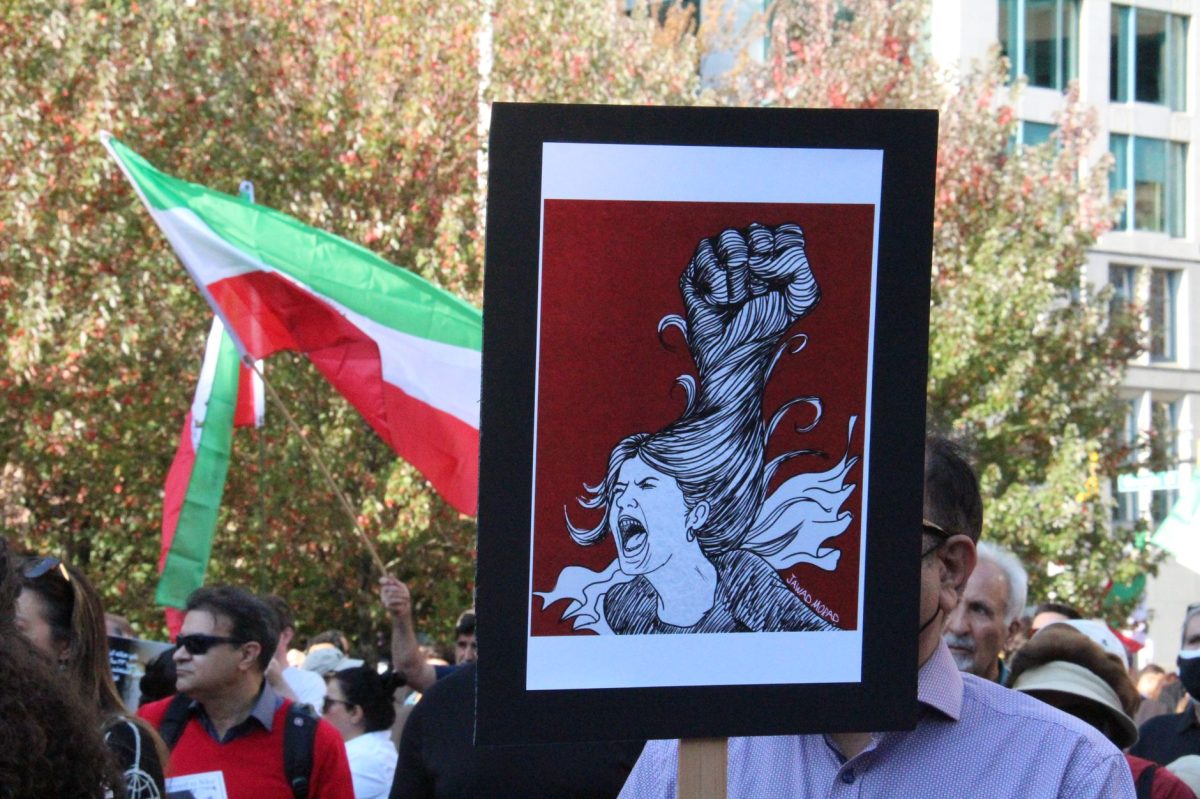

“'The government's haste in approving this project is alarming, and the decision will have devastating consequences for Albania's ecosystem,' said Elona Lushi, Director of the Albanian Environmental Governance organization.”
What We Don't Know Yet
While the approval of the luxury resort project has sparked widespread protests and legal challenges, there are still many questions surrounding the project's details. For example, what exactly is the scope of the project, and what is the estimated cost of its development? The AEG has called for greater transparency and accountability from the government and the project developers. However, the government has so far refused to provide any information on the project's details, citing 'commercial confidentiality.' This lack of transparency has only added to the concerns of local communities and environmental groups, who feel that the government is not taking their concerns seriously.
What to Watch
In the coming days and weeks, the situation surrounding the luxury resort project will likely continue to unfold. The AEG has announced plans to take the government to court over its approval of the project, citing concerns about the lack of transparency and accountability. The government, meanwhile, is likely to face increased pressure from local communities and international organizations to reconsider its decision. The outcome of this situation is far from certain, and it remains to be seen whether the government will take the concerns of local communities and environmental groups seriously.
Albania has a unique and little-known phenomenon of having a significant number of 'blood feuds' between families, with some estimates suggesting that up to 10% of the population is involved in these feuds, which can last for generations and have a significant impact on the country's social and economic development.
The approval of the luxury resort project has sparked widespread concerns about the impact of unchecked tourism on Albania's natural resources and local communities. As the situation continues to unfold, it remains to be seen whether the government will take the concerns of local communities and environmental groups seriously. One thing is certain, however: the fate of Albania's ecosystem and the livelihoods of local communities hang in the balance.