Kyiv Monastery Fire: 'Not Inconceivable' It Was Deliberately Targeted

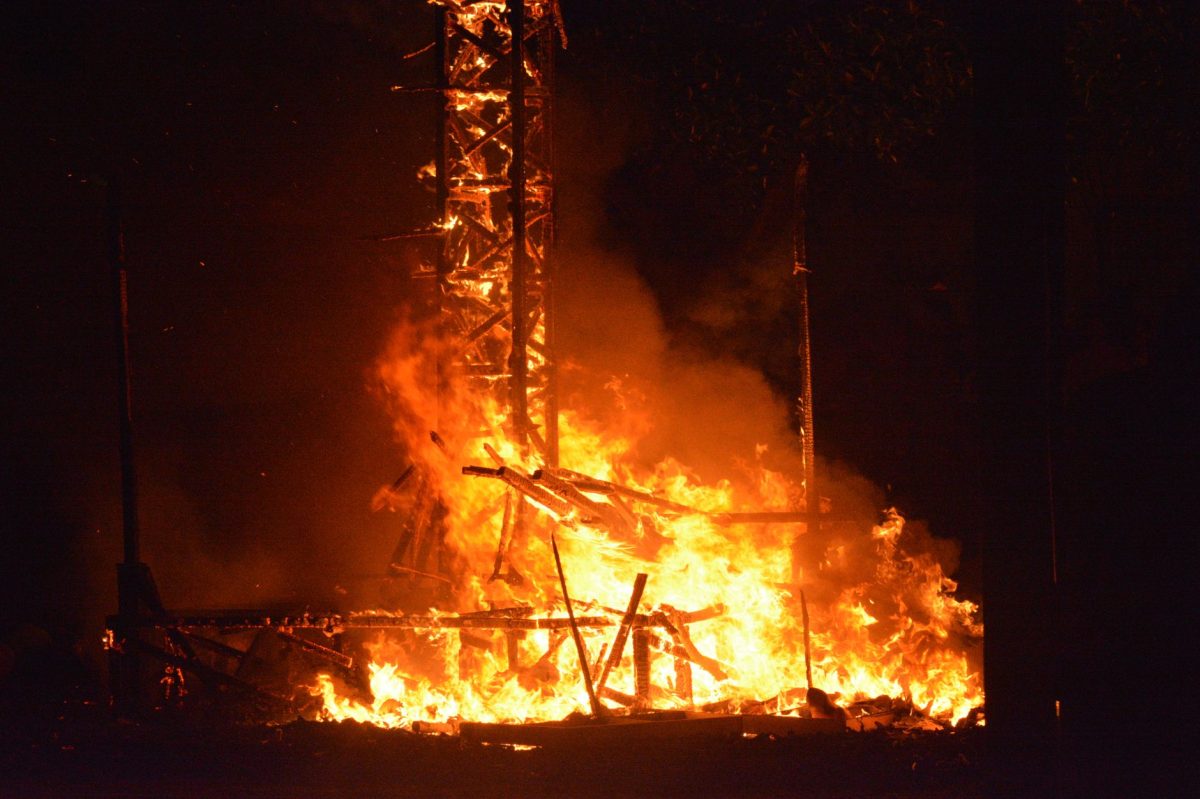
A fire broke out at the Kyiv Pechersk Lavra monastery, a 1,000-year-old UNESCO World Heritage site, amid intense Russian bombardment of Kyiv overnight, raising concerns that the historic landmark was deliberately targeted. The monastery's destruction could have significant cultural and spiritual implications for Ukraine. The fire comes as Russia continues its invasion of Ukraine, with Kyiv facing some of the heaviest attacks in weeks.
What Happened
According to the Ukrainian Orthodox Church, the fire at the Kyiv Pechersk Lavra monastery began during a Russian missile strike on the city of Kyiv overnight. The monastery's buildings and historic structures were damaged in the fire, which was reportedly brought under control by Ukrainian firefighters. The monastery's walls and buildings date back to the 11th century and are a significant part of Ukraine's cultural heritage. Account to the Ukrainian Orthodox Church spokesperson, Metropolitan Petro, stated that the fire started in the monastery's historic complex, where several important relics and artifacts are kept. 'We are assessing the damage, but it's clear that the fire was not an accident,' Metropolitan Petro said.
Why It Matters
The destruction of cultural and historical sites during war is not a new phenomenon. In Syria, for example, numerous UNESCO World Heritage sites have been damaged or destroyed during the civil war. In Iraq, the Islamic State (ISIS) targeted ancient cultural sites, including the city of Palmyra, with devastating consequences. The destruction of cultural and historical sites has a profound impact on the cultural identity of a nation and its people. It erases a part of history, making it difficult for future generations to understand and learn from the past.


“'We are assessing the damage, but it's clear that the fire was not an accident.' Metropolitan Petro, Ukrainian Orthodox Church spokesperson”
What We Don't Know Yet
The international community has condemned the destruction of cultural and historical sites during war, but it remains to be seen whether such condemnation will lead to concrete action. The UNESCO World Heritage committee has launched an investigation into the destruction of cultural sites in Ukraine, but the results of this investigation are still awaited. The incident also highlights the need for greater cooperation between nations to protect cultural and historical sites during times of conflict.
What to Watch
In the coming days and weeks, several key developments are likely to occur. The Ukrainian government is expected to provide a full assessment of the damage to the Kyiv Pechersk Lavra monastery, including the extent of the damage and the cost of repairs. The international community, including UNESCO, will likely launch a formal investigation into the destruction of the monastery and other cultural sites in Ukraine. Additionally, the Russian government is expected to respond to allegations that its forces targeted the monastery, which could lead to further escalation of the conflict.
Despite the common perception that war is the primary cause of cultural site destruction, natural disasters such as earthquakes and floods are actually responsible for a significant proportion of cultural heritage site damage worldwide.
The destruction of the Kyiv Pechersk Lavra monastery is a tragic reminder of the devastating impact of war on cultural and historical sites. As the conflict in Ukraine continues, it is essential that the international community comes together to condemn such actions and protect cultural and historical sites. The fate of the monastery and other cultural sites in Ukraine will depend on the actions of all parties involved.