Is the U.S.-Iran Deal Actually as Serious as Everyone Says?

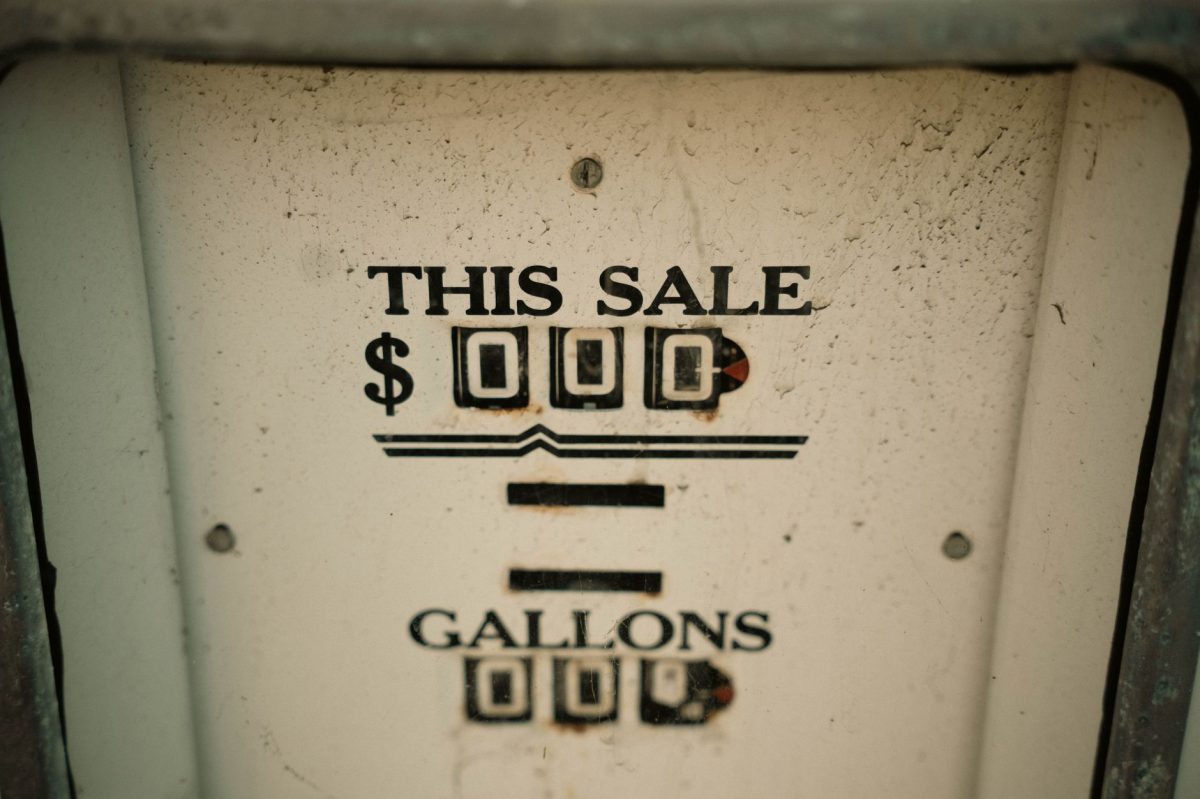
Oil prices fell by more than $4 per barrel on news of the deal, highlighting the significant impact on the global economy. This development raises questions about the potential consequences of the agreement and its potential to change the dynamics in the region.
WHAT HAPPENED: Tentative Deal Reached Between the U.S. and Iran
According to reports, the U.S. and Iran have reached a tentative agreement to end the decades-long conflict in the Middle East. The deal was announced on Tuesday, with sources close to the negotiations confirming that the two sides have made significant progress in recent weeks. Account to Bloomberg, citing anonymous sources, revealed that the deal includes a comprehensive ceasefire agreement and a framework for peace talks between the two nations. The agreement is said to be the result of intense negotiations between U.S. officials and Iranian leaders, with the support of international mediators. The deal is expected to be finalized in the coming days, with the U.S. and Iran set to sign a formal agreement by the end of the week. The development has been met with caution by regional stakeholders, with some expressing concerns about the potential implications for the region.
WHY IT MATTERS: The Economic Consequences of the Deal
The potential economic consequences of the U.S.-Iran deal are significant, with oil prices dropping by more than $4 per barrel on news of the agreement. This development is expected to have a ripple effect on the global economy, with oil prices likely to remain low for the foreseeable future. The deal is also expected to have a positive impact on global stock markets, with Wall Street futures pointing up before the opening bell on Tuesday. According to a report by CNBC, the deal could save the global economy billions of dollars in oil imports. The agreement is also expected to have a significant impact on the U.S. economy, with some estimates suggesting that it could boost economic growth by as much as 1%. The deal is also expected to have a positive impact on the lives of ordinary people, with lower oil prices expected to lead to increased consumer spending and economic growth.


“We are cautiously optimistic about the deal and its potential to bring peace to the region,”
WHAT WE DON'T KNOW YET: The Uncertainty Surrounding the Deal
Despite the optimism surrounding the deal, there are still significant uncertainties surrounding the agreement. According to a report by the Brookings Institution, there are still significant differences between the U.S. and Iran on key issues such as nuclear restrictions and military cooperation. The deal is also expected to have significant implications for the region, with some stakeholders expressing concerns about the potential impact on regional security. According to a report by the International Crisis Group, the deal could lead to increased tensions between the U.S. and other regional stakeholders. The deal is also expected to have significant implications for the global economy, with some stakeholders expressing concerns about the potential impact on oil markets.
Key Takeaways
- The U.S. and Iran have reached a tentative deal to end the conflict in the Middle East.
- Oil prices dropped by more than $4 per barrel on news of the agreement.
- The deal is expected to have significant implications for the global economy and regional security.
- The U.S. and Iran are set to sign a formal agreement by the end of the week.
- The reaction of regional stakeholders will be closely watched in the coming days.
WHAT TO WATCH: The Next 24-72 Hours
The next 24-72 hours will be critical in determining the success of the U.S.-Iran deal. According to a report by CNN, the deal is expected to be finalized by the end of the week, with the U.S. and Iran set to sign a formal agreement. The reaction of regional stakeholders will also be closely watched, with some expressing concerns about the potential implications of the agreement. According to a report by the Wall Street Journal, the deal could have significant implications for the global economy, with oil prices expected to remain low for the foreseeable future. The reaction of international stakeholders will also be closely watched, with some expressing concerns about the potential implications for global security.
Iran has the world's second-largest oil reserves, but was restricted from selling it due to sanctions, highlighting the significant economic implications of the deal.
The U.S.-Iran deal has the potential to bring significant economic benefits to the region and the global economy, but there are still significant uncertainties surrounding the agreement. The next 24-72 hours will be critical in determining the success of the deal, with the reaction of regional stakeholders and international stakeholders closely watched.