Diagnostic Test Waiting Lists Continue to Rise as NHS Faces Staff Shortage

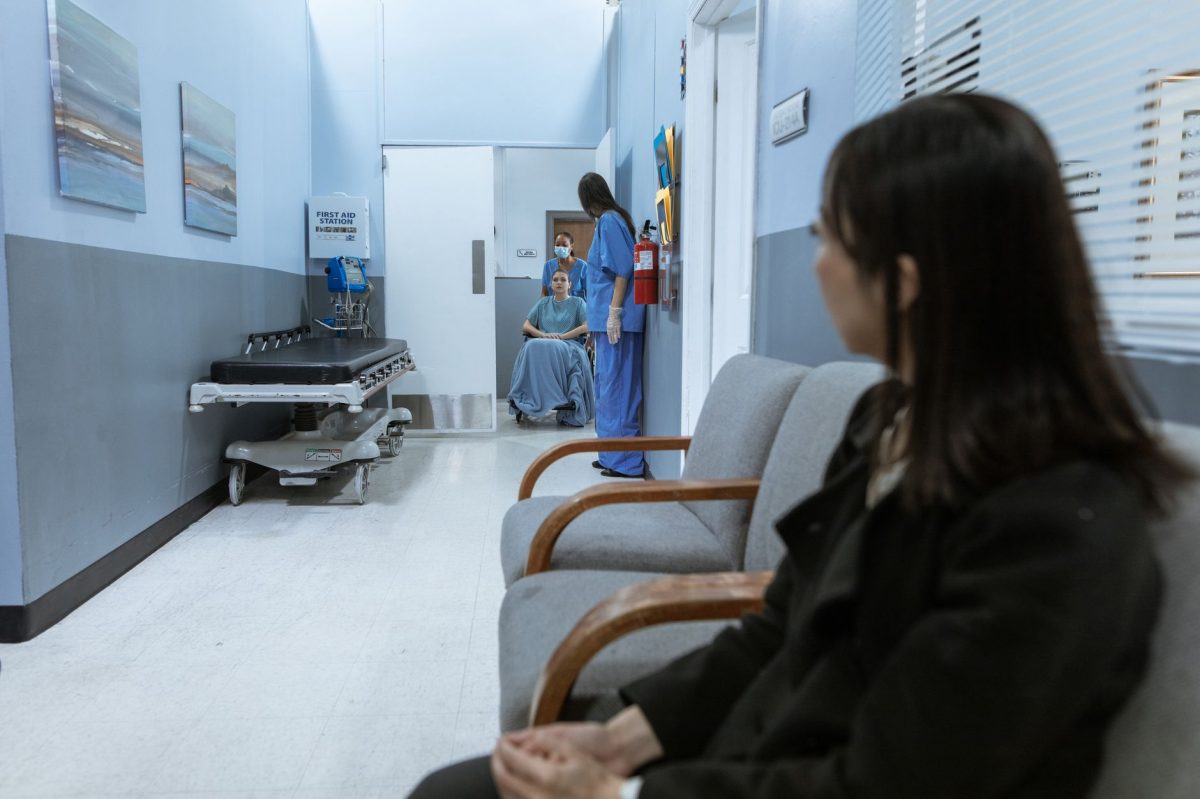
NHS diagnostic test waiting lists are expected to worsen, with a significant shortage of radiographers contributing to the backlog. This issue matters greatly, as patients are left waiting for potentially life-saving scans and treatments. According to Richard Evans, CEO of the Society and College of Radiographers, this is a pressing concern that demands urgent attention. Without investment in more radiographers, the NHS will struggle to meet demand, leading to even longer waiting times.
Radiographer Shortage Exacerbates NHS Waiting Lists
The NHS is facing a significant shortage of radiographers, with over 1,300 vacant positions currently unfilled, according to a report by the Society and College of Radiographers. This shortage is particularly concerning, as radiographers are essential for performing diagnostic tests such as X-rays, CT scans, and MRI scans. Without sufficient radiographers, hospitals are unable to perform tests in a timely manner, leading to a backlog of patients waiting for diagnosis and treatment. Richard Evans, CEO of the Society and College of Radiographers, attributes the shortage to a combination of factors, including an aging workforce and a lack of training places. 'We have a workforce that is aging and retiring, and we're not producing enough new radiographers to replace them,' Evans explains. For example, in 2022, the number of new radiography training places was 1,500, whereas the Society and College of Radiographers estimates that 2,000 new entrants are needed annually to meet demand. This shortage is not just a local issue, but a national problem that requires a coordinated response from government and healthcare providers to address.
The Human Cost of Long Waiting Lists
The impact of long waiting lists is not just a statistical problem, but a human one. Patients are left waiting for potentially life-saving scans and treatments, often in significant pain and distress. According to a study by the charity, Macmillan Cancer Support, over 50,000 cancer patients in England are waiting for diagnostic tests, including MRI and CT scans. This delay can have serious consequences, including delayed diagnosis and treatment, which can lead to poorer outcomes and even death. Furthermore, long waiting lists can also have a profound impact on mental health, with patients experiencing anxiety, depression, and other mental health issues as a result of the uncertainty and lack of control. 'These waiting times are not just a statistical problem, but a human one,' Evans emphasizes. 'We're talking about people's lives, and the impact that delays can have on their health and wellbeing.'


“These waiting times are not just a statistical problem, but a human one... We're talking about people's lives, and the impact that delays can have on their health and wellbeing.”
The Uncertainty Ahead
Despite the pressing need for action, there are still many unknowns in this story. One of the key questions is how the NHS will address the shortage of radiographers, particularly in the short term. Will the government invest in more training places, or will hospitals be forced to prioritize other areas of the service? Another uncertainty is the impact of Brexit on the supply of radiographers from the EU. With the UK's departure from the EU, there are concerns that the free movement of workers, including radiographers, may be restricted. This could lead to a further shortage of skilled workers, exacerbating the problem. Finally, there is also the question of what other measures can be taken to reduce waiting times. Will the NHS be able to implement more efficient diagnostic testing processes, or will patients be forced to wait even longer for diagnosis and treatment?
Key Takeaways
- The NHS is facing a significant shortage of radiographers, with over 1,300 vacant positions currently unfilled.
- The shortage of radiographers is contributing to long waiting lists for diagnostic tests.
- Patients are being left waiting for potentially life-saving scans and treatments, often in significant pain and distress.
- The impact of long waiting lists is not just a statistical problem, but a human one, with serious consequences for patients and their families.
- The government has yet to respond to the Society and College of Radiographers' report, and it remains to be seen how they will address the shortage of radiographers.
What to Watch
In the coming weeks and months, there are several key developments to watch. One of the most important will be the government's response to the Society and College of Radiographers' report. Will they invest in more training places, or will they prioritize other areas of the service? Another key development will be the impact of Brexit on the supply of radiographers from the EU. As the UK's departure from the EU becomes more certain, it will be interesting to see how the NHS responds to the potential shortage of skilled workers. Finally, there will also be ongoing monitoring of waiting times, with the NHS publishing regular updates on the number of patients waiting for diagnostic tests.
Interestingly, the UK has one of the lowest numbers of radiographers per capita in the developed world, with a ratio of 1 radiographer to 35,000 people, compared to 1:10,000 in other European countries.
The issue of diagnostic test waiting lists is a pressing concern that demands urgent attention. The NHS is facing a significant shortage of radiographers, which is contributing to long waiting lists for diagnostic tests. Patients are being left waiting for potentially life-saving scans and treatments, often in significant pain and distress. It is essential that the government takes immediate action to address the shortage of radiographers and invests in more training places to meet the growing demand. By doing so, they can help to reduce waiting times and improve patient outcomes, ultimately saving lives and reducing suffering.