US and Iran Expected to Sign Initial Deal, Timeline Uncertain

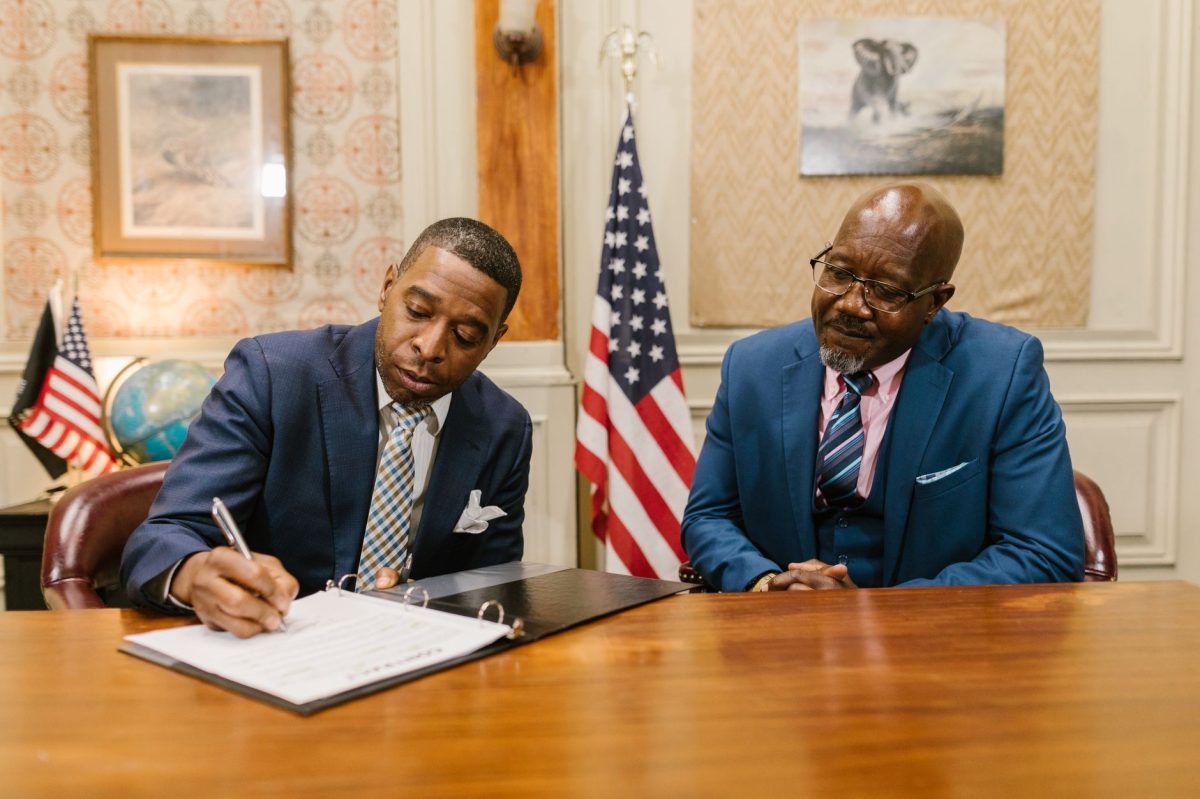
Iran has signaled its readiness to sign an initial deal with the US in the coming days, but the timeline remains uncertain. This development could have significant implications for regional stability and global politics. The US and Iran have been engaged in delicate negotiations for months, with both sides seeking to address key issues related to nuclear proliferation and economic sanctions.
Iran Announces Possible Deal Signing in Coming Days
According to a report by the Associated Press, Iran's Foreign Ministry spokesperson said on Saturday that the country could sign the framework for a peace deal with the US in the coming days. This announcement comes after months of intense negotiations between the two sides, with Pakistan serving as a mediator. The spokesperson emphasized that the timeline for signing the deal is uncertain, but expressed optimism about the negotiations' progress. Iran's announcement was made in response to a suggestion by Pakistani Prime Minister Shehbaz Sharif that the deal could be signed within the next 24 hours. However, Iranian officials later dismissed the possibility of a 24-hour timeline, citing the need for further negotiations. The US and Iran have been engaged in talks to address key issues related to nuclear proliferation and economic sanctions. The negotiations have been ongoing since last year, with the two sides seeking to find a mutually acceptable solution. Account to the Associated Press, the Iranian Foreign Ministry spokesperson stated: "We are making progress, and we are optimistic about the negotiations," adding that the signing of the deal could happen "in the coming days," but did not provide a specific timeline.
Why the Deal Matters
The potential deal between the US and Iran has significant implications for regional stability and global politics. If signed, the deal could lead to a reduction in tensions between the two nations, which have been strained for decades. The deal could also pave the way for the lifting of economic sanctions against Iran, which have had a devastating impact on the country's economy. The lifting of sanctions could lead to a significant increase in Iran's oil exports, potentially stabilizing global energy markets. Furthermore, the deal could set a precedent for other nations in the region to follow, potentially leading to a reduction in tensions and an increase in cooperation between nations. The deal could also have implications for the global nuclear non-proliferation regime, as it could set a precedent for the peaceful use of nuclear energy in other nations. Additionally, the deal could have significant implications for the US's relations with other nations in the region, potentially leading to a shift in the balance of power in the Middle East.


What We Don't Know Yet
Despite the optimism surrounding the negotiations, there are still significant uncertainties surrounding the deal. One of the main concerns is the level of verification and monitoring that will be implemented to ensure that Iran complies with the terms of the deal. The US and Iran have differing views on the level of verification required, which could potentially derail the negotiations. Another concern is the potential for other nations in the region to become involved in the negotiations, potentially complicating the process. Additionally, there are concerns about the impact of the deal on other nations in the region, particularly Israel and Saudi Arabia. The deal could potentially lead to a significant shift in the balance of power in the region, which could have far-reaching consequences. The negotiations are also being closely watched by other nations, including China and Russia, which could potentially become involved in the process. The involvement of other nations could potentially complicate the negotiations and lead to a delay in the signing of the deal.
Key Takeaways
- Iran has signaled its readiness to sign an initial deal with the US in the coming days.
- The timeline for signing the deal is uncertain.
- The deal could lead to a reduction in tensions between the US and Iran.
- The deal could pave the way for the lifting of economic sanctions against Iran.
- The deal could have significant implications for regional stability and global politics.
What to Watch
In the coming days, the focus will be on the negotiations between the US and Iran. The key people to watch are the US Secretary of State Antony Blinken and the Iranian Foreign Minister Hossein Amir-Abdollahian, who will be leading the negotiations. The negotiations will be closely watched by other nations, including Pakistan, which is mediating the talks. The next 24-72 hours will be critical in determining the outcome of the negotiations. If the deal is signed, it could lead to a significant shift in the balance of power in the region and potentially have far-reaching consequences. However, if the negotiations stall, it could lead to a significant increase in tensions between the two nations, potentially destabilizing the region.
Despite being a major oil producer, Iran has to import gasoline due to a lack of refining capacity, highlighting the country's need for foreign investment and technology to develop its energy sector.
The potential deal between the US and Iran is a significant development that could have far-reaching consequences for regional stability and global politics. While there are still significant uncertainties surrounding the deal, the optimism surrounding the negotiations is a positive sign. The next 24-72 hours will be critical in determining the outcome of the negotiations, and it remains to be seen whether a deal will be signed.