Iran's Army Chief Claims Tehran Now 'Dominant' Power in Strait of Hormuz

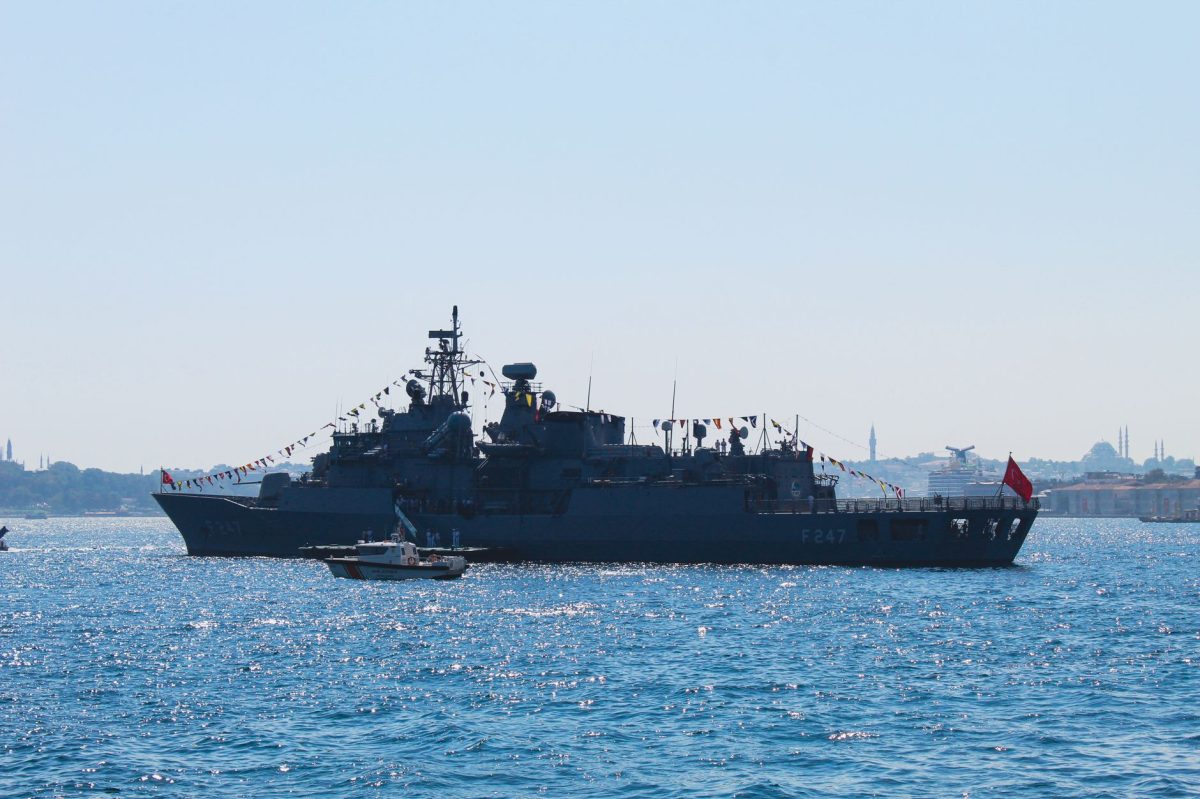
Iran's army chief, Major General Mohammad Hossein Baqeri, has made a bold statement, claiming that Tehran has become the dominant power in the Strait of Hormuz, a crucial waterway that connects the Persian Gulf to the Gulf of Oman. This assertion matters because control of the Strait of Hormuz has significant implications for global energy markets and regional security.
Iran's Army Chief Asserts Control Over Strait of Hormuz
According to reports, Major General Baqeri stated that Iran's military has enhanced its capabilities and now exercises control over the Strait of Hormuz. He made this assertion during a meeting with senior military officials, emphasizing Tehran's growing influence in the region. The Strait of Hormuz is a vital waterway, with over 20% of the world's oil shipments passing through it. Iran's claims of dominance over the strait have been met with skepticism by some regional players, including the United States. According to a report by Reuters, Baqeri's statement was made in response to concerns about Iran's military capabilities and its role in regional security. The Iranian army chief's assertion has raised eyebrows, particularly in light of the ongoing tensions between Iran and the West over its nuclear program. The Strait of Hormuz is a critical chokepoint for international trade, with the US and other major oil consumers relying heavily on the waterway. Iran's military has invested heavily in its naval capabilities, including the development of advanced missile systems and submarine capabilities. These investments have raised concerns about Iran's ability to disrupt oil shipments and threaten regional security. Iran has repeatedly denied any plans to pursue nuclear weapons, but its military modernization efforts have contributed to regional tensions.
Why Iran's Control Over the Strait Matters
Iran's control over the Strait of Hormuz has significant implications for regional security and global energy markets. The waterway is a critical conduit for oil exports from the Persian Gulf, and disruptions to trade have the potential to impact global energy prices. Iran's military modernization efforts have raised concerns about its ability to disrupt oil shipments and threaten regional security. The US and other major oil consumers have long been concerned about Iran's growing influence in the region, and the Iranian army chief's assertion of control over the Strait of Hormuz has heightened these concerns. The Strait of Hormuz is a critical lifeline for oil exports from the Persian Gulf, with over 20% of the world's oil shipments passing through it. Iran's control over the strait has also raised concerns about its ability to threaten regional security, with some analysts warning of the potential for Iran to disrupt oil shipments and threaten neighboring countries. The Iranian army chief's assertion of control over the Strait of Hormuz has sparked a heated debate about Iran's role in regional security and its military capabilities.

“Iran's military has enhanced its capabilities and now exercises control over the Strait of Hormuz,”
What We Don't Know Yet
Despite Iran's assertion of control over the Strait of Hormuz, there are still many unanswered questions about the situation. One key unknown is the extent of Iran's military capabilities in the region. While Iran has invested heavily in its naval capabilities, there are concerns about the effectiveness of its military in the face of a potential conflict. Another key question is the response of regional players, including the US and other major oil consumers, to Iran's assertion of control over the Strait of Hormuz. The situation remains highly fluid, and it is unclear how events will unfold in the coming days and weeks.
What to Watch
In the coming days and weeks, several key events and developments will be worth watching. One key event to monitor is the response of regional players, including the US and other major oil consumers, to Iran's assertion of control over the Strait of Hormuz. The situation remains highly fluid, and it is unclear how events will unfold. Another key development to watch is the impact of Iran's military modernization efforts on regional security. The Iranian army chief's assertion of control over the Strait of Hormuz has raised concerns about Iran's ability to disrupt oil shipments and threaten neighboring countries. The situation in the Strait of Hormuz remains highly volatile, and it is essential to stay informed about developments in the region.
Despite being a critical waterway, the Strait of Hormuz is only about 21 miles wide at its narrowest point, making it one of the most strategically important and heavily trafficked waterways in the world, with over 20% of the world's oil shipments passing through it every day.
In conclusion, Iran's assertion of control over the Strait of Hormuz has significant implications for regional security and global energy markets. While the situation remains highly fluid, it is essential to stay informed about developments in the region and to approach the situation with a critical and nuanced perspective.