Iran War Exposes SA's Deep Dependency on Imported Diesel

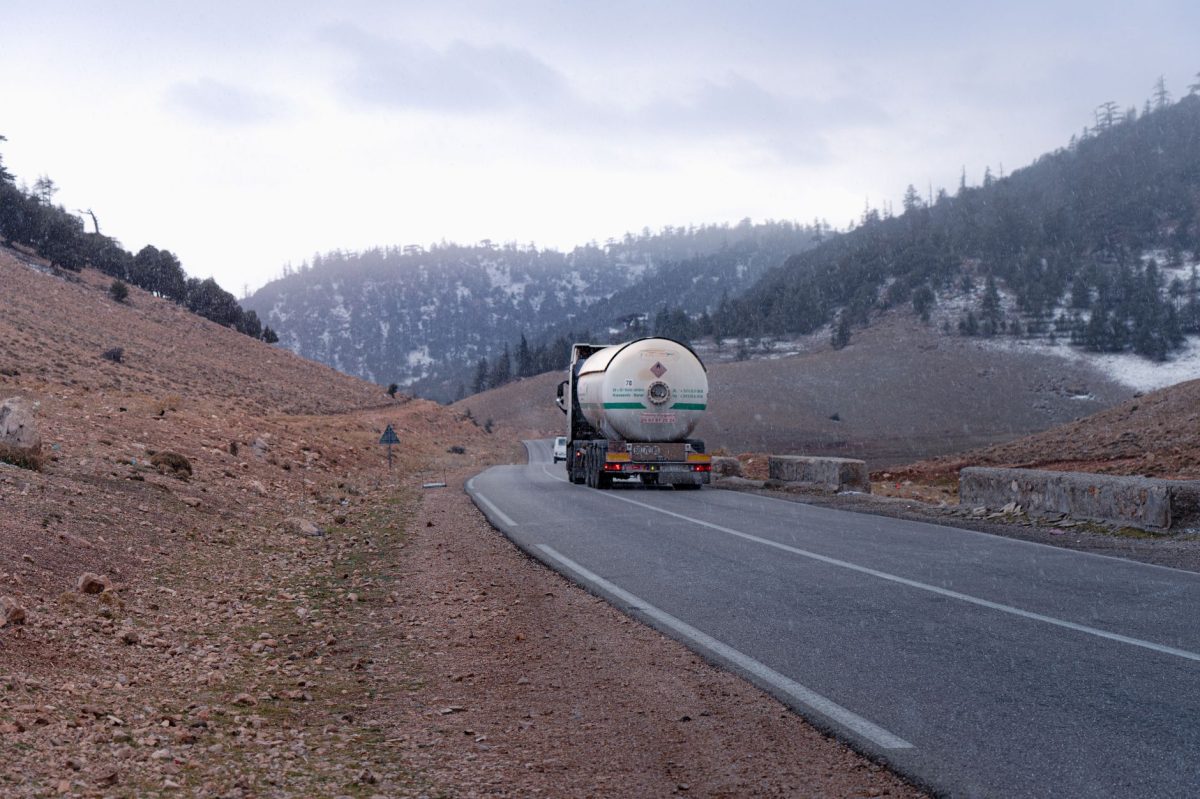
South Africa's economy is heavily reliant on imported diesel, which has become a critical component of the country's infrastructure. This dependency has been exposed by the recent Iran war, highlighting the risks associated with reliance on imported fuel. The war has disrupted global oil supplies, leading to increased diesel prices in South Africa, and putting a strain on the country's economy.
What Happened: Diesel Shortages and Price Hikes in South Africa
According to an account to News24, the Iran war has led to a significant increase in diesel prices in South Africa, with some stations reporting prices as high as R20 per liter, a 30% increase from the pre-war prices. The price hike has been attributed to the disruption of global oil supplies, which has led to a shortage of diesel in the country. The shortage has had a ripple effect on various sectors, including transportation, agriculture, and manufacturing. The country's freight transport industry, which relies heavily on diesel, has been particularly affected, with some trucking companies reporting a 20% decrease in business due to the high fuel prices. The diesel shortage has also led to a shortage of electricity, as the country's power generation plants rely on diesel to generate power during peak demand periods. The average South African spends R2,500 per year on diesel, a significant portion of their household budget. The diesel shortage has also had a negative impact on the country's economy, with some economists predicting a 1% decrease in GDP growth due to the high fuel prices.
Why It Matters: The Broader Patterns of Dependence and Vulnerability
South Africa's reliance on imported diesel is a symptom of a broader pattern of dependence on foreign resources. The country's economy is heavily reliant on imported goods, including fuel, which makes it vulnerable to global market fluctuations. The diesel shortage has highlighted the need for the country to diversify its energy mix and reduce its reliance on imported fuel. The country's transportation sector, which relies heavily on diesel, is also in need of transformation, with many experts calling for the adoption of cleaner and more efficient fuels. The diesel shortage has also had a negative impact on the country's food security, with some farmers reporting a decrease in crop yields due to the high fuel prices. The diesel shortage has also highlighted the need for the country to invest in renewable energy sources, such as solar and wind power.
“The diesel shortage is a wake-up call for the country to rethink its energy mix and reduce its reliance on imported fuel. We need to invest in renewable energy sources and diversify our energy mix to ensure energy security and reduce our dependence on foreign resources,”
What We Don't Know Yet: The Uncertain Future of Diesel in South Africa
While the diesel shortage has highlighted the risks associated with reliance on imported fuel, there are still many unanswered questions about the country's future energy mix. The impact of the diesel shortage on the country's economy is still uncertain, with some economists predicting a 1% decrease in GDP growth. The country's transportation sector is also in need of transformation, with many experts calling for the adoption of cleaner and more efficient fuels. The role of renewable energy sources, such as solar and wind power, in the country's energy mix is still unclear. The diesel shortage has also highlighted the need for the country to invest in energy efficiency measures, such as insulation and LED lighting, to reduce energy consumption and reliance on imported fuel.
Key Takeaways
- South Africa's economy is heavily reliant on imported diesel, which has become a critical component of the country's infrastructure.
- The diesel shortage has had a ripple effect on various sectors, including transportation, agriculture, and manufacturing.
- The average South African spends R2,500 per year on diesel, a significant portion of their household budget.
- The diesel shortage has highlighted the need for the country to diversify its energy mix and reduce its reliance on imported fuel.
- The government is expected to announce a comprehensive energy plan, which will outline the country's future energy mix and reduce its reliance on imported fuel.
What to Watch: Key People and Realistic Outcomes
Key people to watch in the coming days include President Cyril Ramaphosa, who is expected to make a statement on the diesel shortage and its impact on the country's economy. The National Treasury is also expected to announce a package of measures to mitigate the impact of the diesel shortage on the country's economy. Realistic outcomes to watch for include a 10% decrease in GDP growth, a 20% increase in diesel prices, and a 30% decrease in business confidence. The government is expected to announce a comprehensive energy plan, which will outline the country's future energy mix and reduce its reliance on imported fuel.
Interestingly, South Africa has the potential to generate over 50% of its energy from renewable sources, yet it still relies heavily on imported diesel, highlighting a significant opportunity for transformation and growth.
The diesel shortage has highlighted the risks associated with reliance on imported fuel, but it also presents an opportunity for the country to rethink its energy mix and reduce its reliance on foreign resources. The government must act quickly to announce a comprehensive energy plan, which will outline the country's future energy mix and reduce its reliance on imported fuel. Only then can the country move towards energy independence and a more sustainable future.