Ukraine Admits Striking Cargo Ships, Destroys Five Vessels Carrying Illegal Cargo

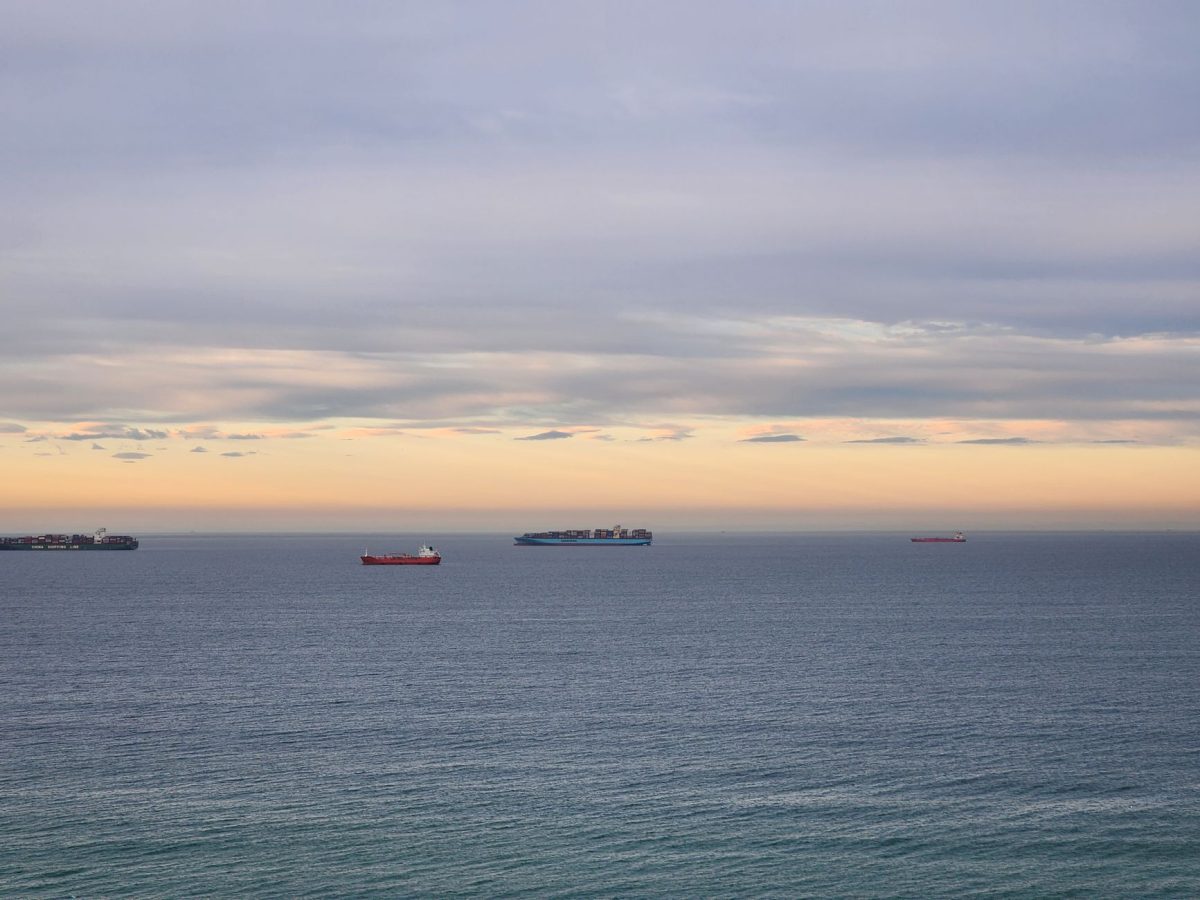
Ukraine's military confirmed striking five cargo ships, including vessels in the Sea of Azov and Russian-occupied coastal waters, destroying cargo carrying illicit goods. This escalation marks a significant development in the ongoing conflict, raising concerns about the smuggling of contraband and its potential impact on regional security.
Ukraine Confirms Strikes on Cargo Ships
According to an account to the Associated Press, Ukraine's military confirmed striking five cargo ships in the Sea of Azov and Russian-occupied coastal waters of the Black Sea. The operation aimed to disrupt illegal cargo. The Ukrainian military said it struck the ships on May 29, citing intelligence that they were carrying illicit goods. One of the ships was reported to be carrying a cargo of coal, fueling concerns about the potential environmental impact of the destruction. The Sea of Azov is a strategic waterway, connecting Russia to Ukraine, and the conflict has raised tensions in the region. The Ukrainian military did not provide further details on the targets or the extent of the damage. However, the strikes have been hailed as a significant blow to Russian-backed smuggling operations in the area. The Ukrainian military's statement was attributed to a spokesperson, who said the operation was carried out to prevent the smuggling of contraband and protect regional security. Ukraine's military has been increasingly targeting Russian-backed smuggling operations, which have been linked to the funding of pro-Russian separatist groups. The conflict in eastern Ukraine has been ongoing since 2014, with periodic escalations in violence. The Ukrainian military's admission to striking the cargo ships marks a significant development in the ongoing conflict, highlighting the complexities of the issue and the need for a nuanced understanding of the region.
Ripple Effects and Regional Security Concerns
The strikes on the cargo ships have significant implications for regional security, highlighting the complex web of smuggling operations and their potential links to pro-Russian separatist groups. The conflict has created a power vacuum, allowing smuggling operations to flourish. The Sea of Azov is a critical waterway, connecting Russia to Ukraine, and the conflict has raised tensions in the region. The smuggling of contraband has been linked to funding pro-Russian separatist groups, which have been responsible for violent attacks in eastern Ukraine. The conflict has also raised concerns about environmental degradation, as the Sea of Azov is a sensitive ecosystem. The Ukrainian military's admission to striking the cargo ships marks a significant development in the ongoing conflict, highlighting the need for a comprehensive approach to addressing the complex issues in the region. The conflict has far-reaching implications, affecting not only Ukraine and Russia but also the broader international community. The situation underscores the need for diplomatic efforts to resolve the conflict.

“We are doing everything possible to disrupt the smuggling of contraband and protect regional security,”
Uncertainties and Unanswered Questions
Despite the Ukrainian military's admission to striking the cargo ships, several questions remain unanswered. The extent of the damage caused by the strikes is unclear, and the Ukrainian military has not provided further details on the targets or the extent of the damage. The conflict in eastern Ukraine is complex, with multiple factions and interests at play. The situation is fluid, and new developments are emerging regularly. The Ukrainian military's statement was attributed to a spokesperson, but the identity of the individual was not disclosed. The lack of transparency and the limited information provided by the Ukrainian military have raised concerns about the veracity of the claims. The situation is further complicated by the involvement of external actors, including Russia and international organizations. The conflict has drawn in multiple stakeholders, making it challenging to navigate.
Key Takeaways
- Ukraine's military confirmed striking five cargo ships in the Sea of Azov and Russian-occupied coastal waters.
- The operation aimed to disrupt illegal cargo and prevent the smuggling of contraband.
- The conflict in eastern Ukraine has been ongoing since 2014, with periodic escalations in violence.
- The Ukrainian military's admission to striking the cargo ships marks a significant development in the ongoing conflict.
- The situation is fluid, and new developments are emerging regularly.
What to Watch in the Coming Days
The situation in the Sea of Azov and Russian-occupied coastal waters is likely to remain volatile in the coming days. The conflict has the potential to escalate further, with both sides accused of violating international law. The Ukrainian military's admission to striking the cargo ships marks a significant development in the ongoing conflict, highlighting the need for a comprehensive approach to addressing the complex issues in the region. The situation is fluid, and new developments are emerging regularly. The international community will be watching the situation closely, as the conflict has far-reaching implications affecting not only Ukraine and Russia but also the broader international community. The Ukrainian military's statement was attributed to a spokesperson, but the identity of the individual was not disclosed. The situation is further complicated by the involvement of external actors, including Russia and international organizations. The conflict has drawn in multiple stakeholders, making it challenging to navigate.
The Sea of Azov is the world's shallowest sea, with an average depth of just 7 meters, making it a challenging environment for naval operations.
The situation in the Sea of Azov and Russian-occupied coastal waters is complex and volatile, highlighting the need for a comprehensive approach to addressing the complex issues in the region. The Ukrainian military's admission to striking the cargo ships marks a significant development in the ongoing conflict, but several questions remain unanswered. The conflict has far-reaching implications affecting not only Ukraine and Russia but also the broader international community. The international community will be watching the situation closely, as the conflict has the potential to escalate further.