Israeli Strike Kills Two Lebanese Officers and One Soldier in Military Vehicle

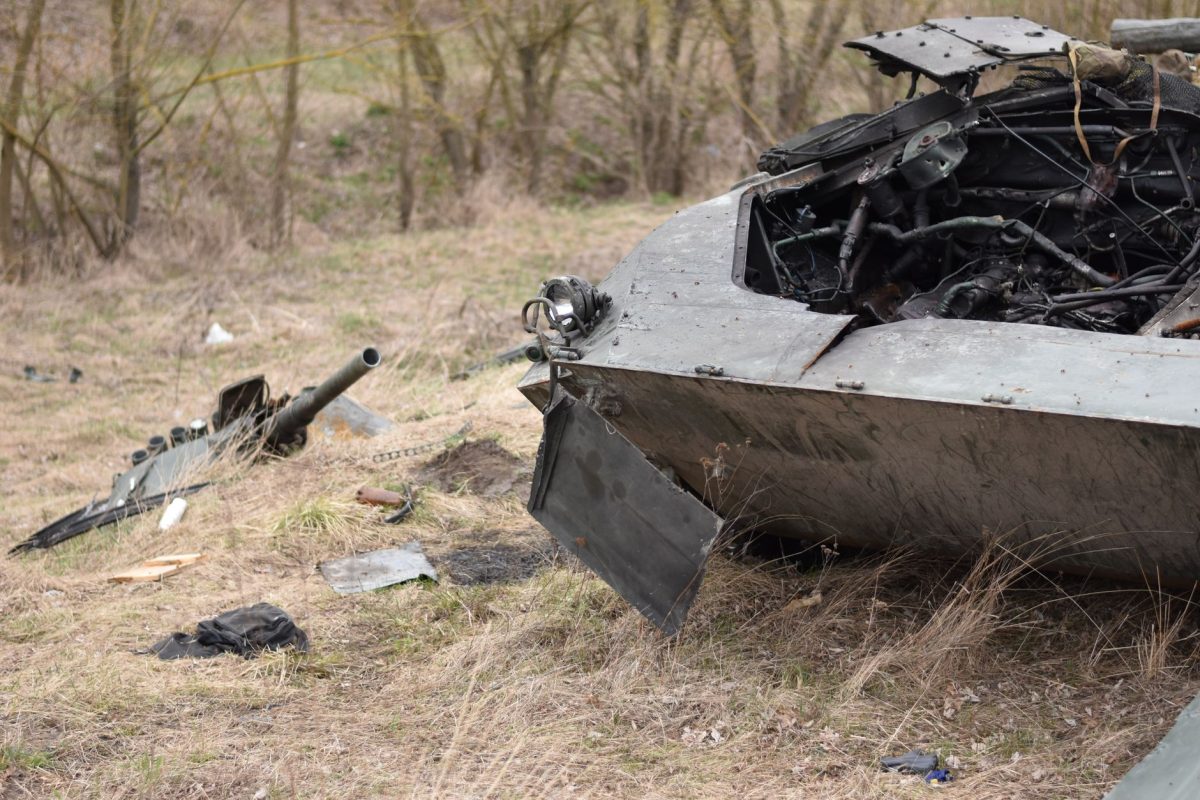
A recent Israeli strike in Lebanon has resulted in the deaths of two high-ranking Lebanese officers and one soldier. The incident highlights the ongoing tensions between the two countries and the risks faced by military personnel in the region.
What Happened
According to a report by Reuters, an Israeli strike on a military vehicle in Lebanon on Saturday killed two Lebanese officers and one soldier. The incident occurred in the town of Naqoura, near the border with Israel. The Lebanese military identified the deceased as Lieutenant Colonel Hassan Hammoud and Major Samir Al-Masri, both of whom were high-ranking officers in the Lebanese army. The third victim was a soldier who has not been identified. The Israeli military has not commented on the incident. However, an Israeli military spokesperson did confirm that the strike was carried out in response to an attack on an Israeli patrol in the same area. An account from a Lebanese army source revealed that the vehicle was carrying a high-ranking officer when it was hit by the Israeli airstrike. The source requested anonymity due to the sensitive nature of the information.
Why It Matters
The incident highlights the ongoing tensions between Lebanon and Israel, which have been at odds for decades. The two countries have a long history of conflict, with occasional exchanges of fire and airstrikes. This latest incident is a reminder that the risks faced by military personnel in the region are very real. The deaths of two high-ranking officers and one soldier are a tragic reminder of the human cost of conflict. The incident also raises questions about the role of the international community in resolving the conflict between Lebanon and Israel. The United Nations has a peacekeeping force in the region, known as UNIFIL, which is tasked with maintaining peace and stability in southern Lebanon. However, the effectiveness of UNIFIL has been questioned in the past, and the incident highlights the need for a more comprehensive solution to the conflict.
“The incident is a stark reminder of the risks faced by military personnel in the region and the need for a more comprehensive solution to the conflict between Lebanon and Israel.”
What We Don't Know Yet
There are still many questions surrounding the incident. The exact circumstances of the strike are unclear, and it is not known what the Israeli military's target was. Additionally, there is no information available on the identity of the third victim. The Lebanese military has launched an investigation into the incident, but it is not clear what the findings will be. The Israeli military has also declined to comment on the incident, citing the sensitive nature of the information. As a result, there are still many unanswered questions about the incident, and it is unclear what the long-term consequences will be.
What to Watch
In the coming days, it will be important to monitor the situation in Lebanon and Israel. The incident has already sparked tensions in the region, and it is unclear how the situation will unfold. The Lebanese military will likely face pressure to respond to the incident, and it is possible that there will be further clashes between the two countries. The international community will also be watching the situation closely, and it is possible that there will be calls for a more comprehensive solution to the conflict. The United Nations will likely play a key role in mediating the conflict, and it will be important to monitor the UN's response to the incident.
Despite being sworn enemies, Lebanon and Israel have a shared love for the game of chess, with both countries having produced several international chess champions.
The incident in Lebanon is a tragic reminder of the risks faced by military personnel in the region and the need for a more comprehensive solution to the conflict between Lebanon and Israel. As the situation continues to unfold, it will be important to monitor the situation closely and to call for a more peaceful resolution to the conflict.