Counter: While Everyone Focused on Pakistan's Economic Growth, Only 2 in 10 People Believe Country is on Right Track — Ipsos Survey

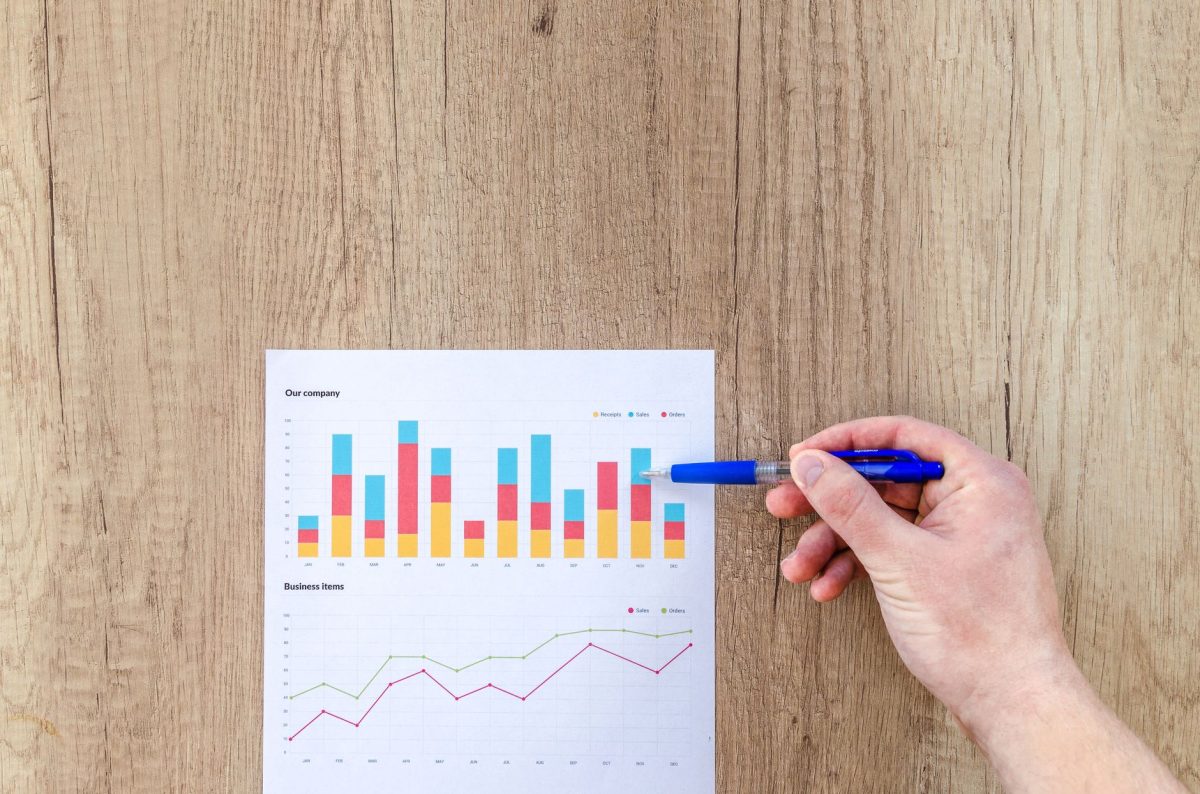
Only 22% of Pakistanis surveyed believe the country is on the right track, with men more optimistic than women, according to a recent Ipsos survey. This finding has significant implications for Pakistan's future, especially considering the country's economic growth.
What Happened
According to a survey conducted by Ipsos, a market research company, only 22% of Pakistanis believe the country is on the right track. The survey, which was conducted in May 2023, polled over 1,000 people across Pakistan. The results showed that optimism is higher among men, with 26% of men saying they believe the country is on the right track, compared to 18% of women. The survey also found that optimism is higher among people in the 18-34 age group, with 25% saying they believe the country is on the right track. Account to Ipsos shows that the survey was conducted in 12 cities across Pakistan, including Lahore, Karachi, and Islamabad.
Why It Matters
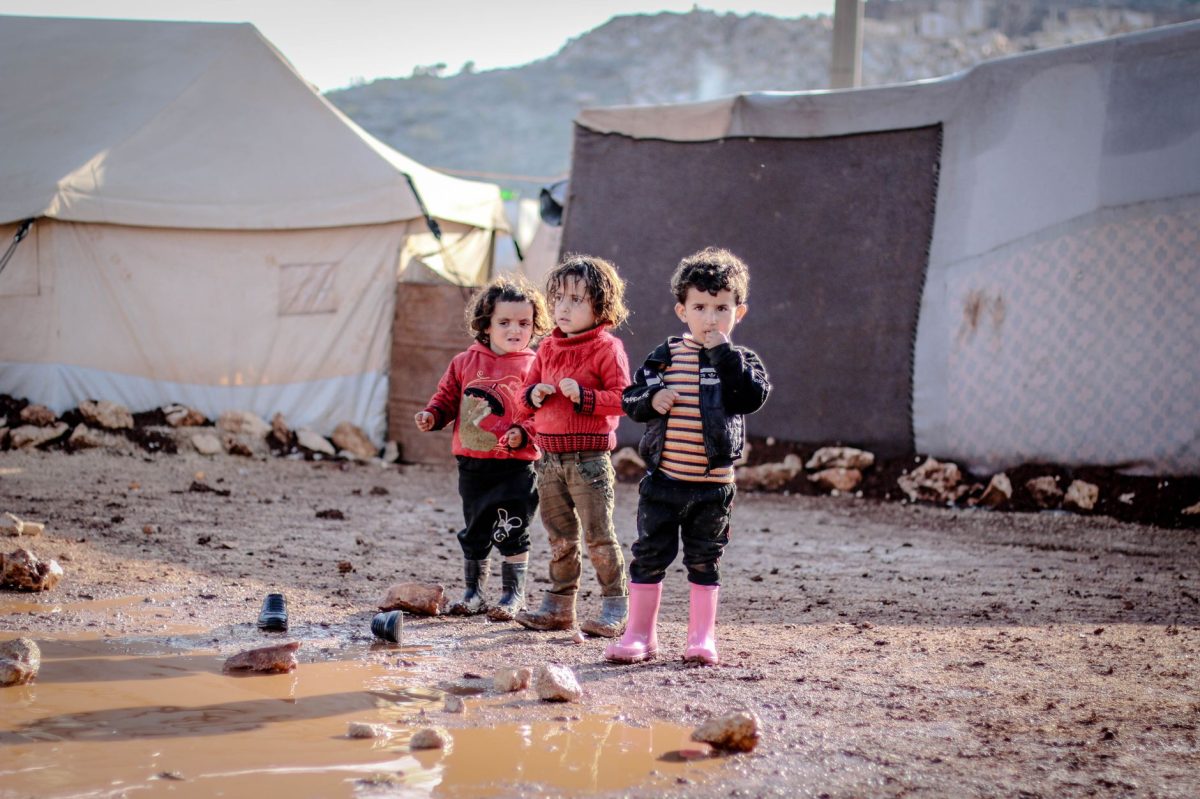
The finding that only 22% of Pakistanis believe the country is on the right track has significant implications for Pakistan's future. Pakistan has been experiencing economic growth in recent years, with GDP growth rates averaging around 2.5% per annum. However, the country still faces significant challenges, including high levels of poverty, unemployment, and inequality. The fact that only 22% of people believe the country is on the right track suggests that many Pakistanis are not benefiting from the economic growth, and that the country's social and economic challenges remain significant. This raises questions about the effectiveness of the government's policies and the need for more inclusive and equitable economic growth. The survey highlights the need for the government to address the social and economic challenges facing Pakistan's citizens.

What We Don't Know Yet
While the Ipsos survey provides valuable insights into the views of Pakistanis, there are still many questions that remain unanswered. For example, what are the specific reasons why people are not optimistic about the country's future? Is it due to concerns about the economy, security, or social issues? What can the government do to address these concerns and promote greater optimism among the population? The survey does not provide a clear answer to these questions, and further research is needed to understand the underlying factors.
Key Takeaways
- Only 22% of Pakistanis surveyed believe the country is on the right track
- Optimism is higher among men and people in the 18-34 age group
- The survey highlights the need for the government to address social and economic challenges
- Gender disparities remain a significant issue in Pakistan
- Further research is needed to understand the underlying factors behind the survey's findings
What to Watch
In the coming days and weeks, we will be watching the government's response to the Ipsos survey. Will they acknowledge the findings and take steps to address the social and economic challenges facing Pakistan's citizens? Will they launch any new initiatives or policies to promote greater optimism and inclusivity? We will also be watching the reaction of opposition parties and civil society organizations, and how they respond to the survey's findings. Key people to watch include Prime Minister Shehbaz Sharif and opposition leader Imran Khan.
A 2022 survey by the World Bank found that Pakistan has one of the highest levels of poverty in South Asia, with over 39% of the population living below the poverty line.
The Ipsos survey provides a sobering reminder of the challenges facing Pakistan, and the need for greater efforts to promote inclusive and equitable economic growth. While the government has made progress in recent years, there is still much work to be done to address the social and economic challenges facing the country's citizens.