Museum Gift Stores Becoming Stand-Alone Shopping Destinations

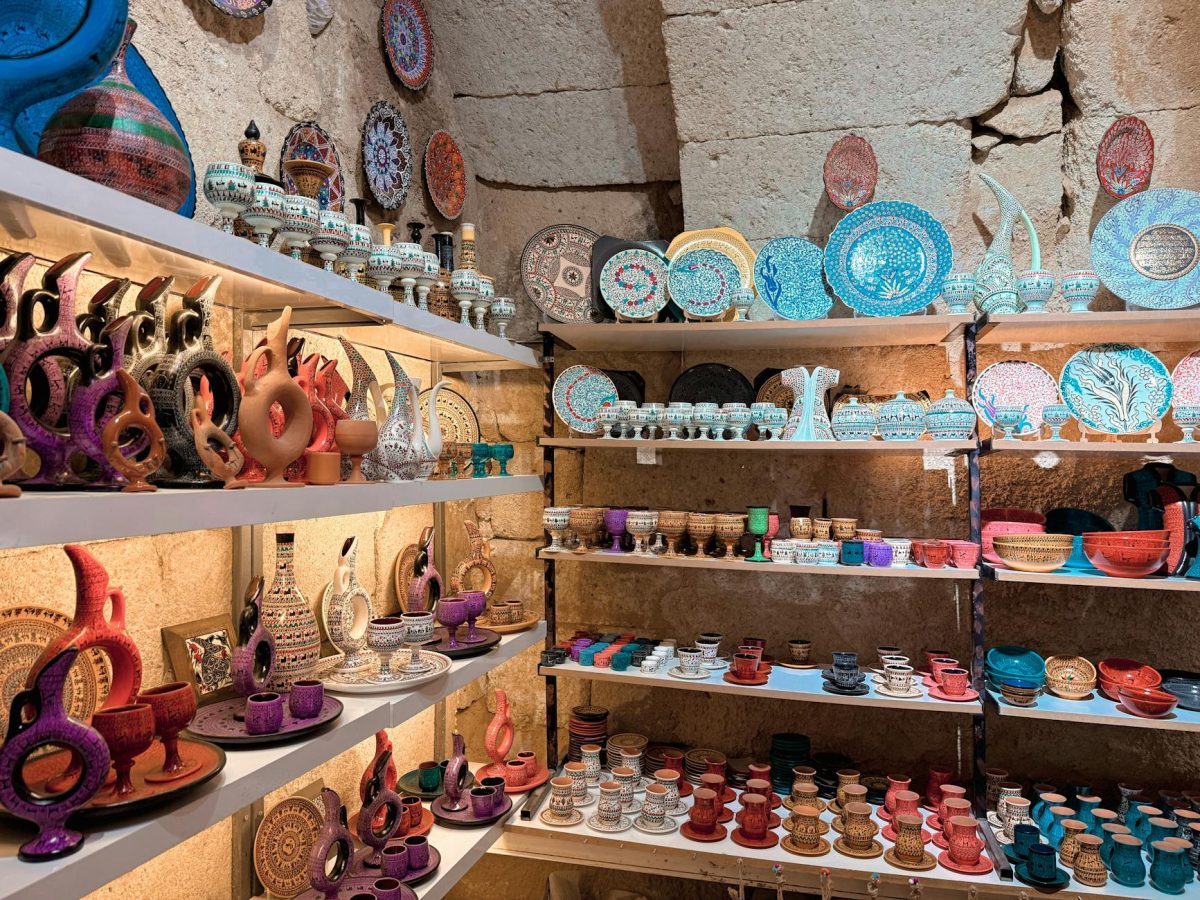
Museum gift stores are shifting from exit points to standalone shopping destinations, offering curated products and a seamless online experience. This phenomenon is driven by the increasing demand for unique and high-quality items. As a result, museums are rebranding themselves as shopping hubs, rather than just cultural institutions.
From Bikinis to Cat Bowls: The Rise of Curated Museum Products
According to an interview with Emily Rafferty, the former president of the Metropolitan Museum of Art, the gift shop has evolved significantly over the past decade. In an article published in The New York Times, Rafferty stated that the Met's gift shop now offers a wide range of products, from high-end designer items to more affordable options, such as cat bowls and postcards. The store's online presence has also expanded, with over 20,000 products available for purchase on the Met's website. This shift towards curated products is not unique to the Met; many museums are following suit, recognizing the potential for their gift shops to become major revenue streams. For example, the Art Institute of Chicago's gift shop has increased its online sales by 50% in the past two years, according to a spokesperson for the museum.
Why the Rise of Museum Gift Stores Matters
The growth of museum gift stores has significant implications for local economies and communities. By offering unique and high-quality products, museums are creating jobs and stimulating economic growth in their surrounding areas. Additionally, the increased online presence of museum gift stores is allowing people to access and support cultural institutions from anywhere in the world. This is particularly important for institutions that may not have a strong local following. Furthermore, the rise of museum gift stores is also changing the way people engage with culture. By making it easier to purchase and own museum-branded products, people are developing a deeper connection to the institution and its mission. As Sarah Parke, the director of the Museum of Modern Art's gift shop, noted, "People are no longer just visitors to the museum; they're also shoppers, and that's a new and exciting development."


“"People are no longer just visitors to the museum; they're also shoppers, and that's a new and exciting development." - Sarah Parke, director of the Museum of Modern Art's gift shop”
What We Don't Know Yet
While the rise of museum gift stores is a significant trend, there are still many questions to be answered. For example, how will the increased focus on online sales affect the way museums display and curate their products? Will this shift towards e-commerce lead to a decline in brick-and-mortar sales? Additionally, what impact will the growth of museum gift stores have on local small businesses and artisans? As the industry continues to evolve, it will be essential to monitor these developments and assess their impact on the cultural landscape. Furthermore, it is unclear how museums will balance their mission to promote culture and education with the commercial imperative to generate revenue. As Emily Rafferty noted, "The challenge for museums is to find a balance between their educational mission and their commercial goals."
Key Takeaways
- Museum gift stores are shifting from exit points to standalone shopping destinations.
- Curated products and online presence are driving this change.
- The growth of museum gift stores has significant implications for local economies and communities.
- The increased online presence of museum gift stores is allowing people to access and support cultural institutions from anywhere in the world.
What to Watch
In the next 24-72 hours, there are several key developments to monitor. Firstly, the Met will be launching a new online platform for its gift shop, which will feature a curated selection of products and exclusive deals. Additionally, the Art Institute of Chicago will be hosting a pop-up shop in the city's downtown area, showcasing a range of museum-branded products. These initiatives demonstrate the growing importance of e-commerce and experiential retail in the museum sector. As the industry continues to evolve, it will be essential to track these developments and assess their impact on the cultural landscape.
The Metropolitan Museum of Art's gift shop sells over 100,000 items per year, with a revenue of over $10 million.
In conclusion, the rise of museum gift stores is a significant trend that has far-reaching implications for the cultural sector. By offering curated products and a seamless online experience, museums are rebranding themselves as shopping hubs, rather than just cultural institutions. As the industry continues to evolve, it will be essential to monitor these developments and assess their impact on the cultural landscape.