Jakarta Deploys Troops Against Muggers, Raising Fears of Human Rights Abuses

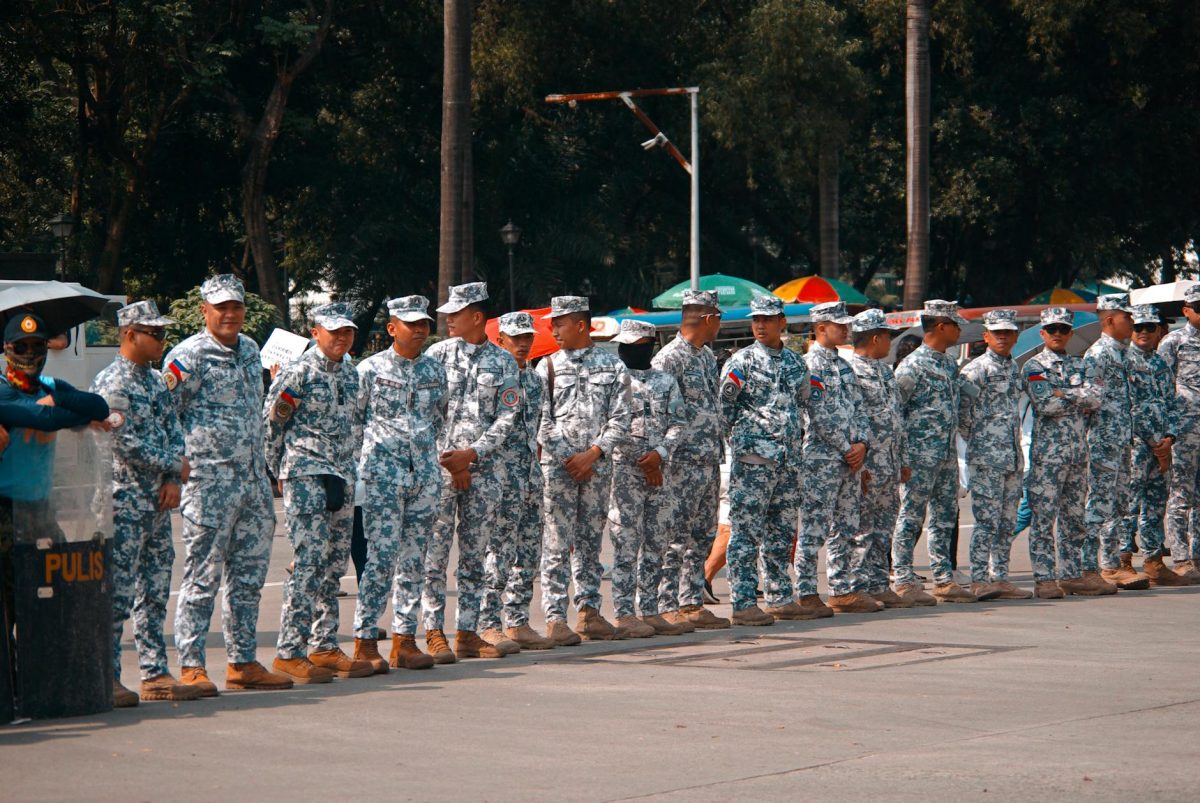
Jakarta residents have welcomed a new police-military campaign against violent street crime, but some are concerned about the potential for human rights abuses. The campaign follows a wave of brazen motorbike muggings that struck fear into the city's residents, leaving many feeling vulnerable and exposed. The deployment of troops has raised fears of a repeat of past abuses, including mass arrests and torture.
Jakarta Residents Welcome Troop Deployment, But Worry About Human Rights
Jakarta residents have largely welcomed the deployment of troops against violent street crime, according to a survey by the Indonesian Survey Institute (LSI). The survey found that 70% of respondents supported the troop deployment, with many citing concerns about their personal safety. 'We need to feel safe again,' said Jakarta resident, Dewi, who was mugged on her motorbike last month. Account to LSI survey... Dewi remembered the sound of her motorbike's engine being kicked off, and the feeling of fear as she tried to protect herself. 'I thought I was going to be killed,' she said. According to local reports, the city has seen a significant increase in motorbike muggings in recent months, with over 100 reported cases in the past three weeks. The government has vowed to take action, and the troop deployment is seen as a key part of this effort. However, some residents are concerned about the potential for human rights abuses, and the impact on the city's poor and marginalized communities. Account to Jakarta-based human rights advocate, Nurhayati, 'We have seen this kind of thing before, and it never ends well for the poor and vulnerable.'
Concerns About Human Rights Abuses and Mass Arrests
The deployment of troops raises concerns about human rights abuses, including mass arrests and torture. In the past, the Indonesian military has been accused of human rights abuses, including mass arrests and torture, particularly in the 1990s during the Suharto regime. 'The military has a history of abusing human rights, and we are worried about what this might mean for Jakarta's residents,' said Nurhayati. According to local reports, the city's police chief has promised to uphold human rights and to ensure that the troop deployment is carried out in a way that is 'responsible and humane.' However, some residents are skeptical, and fear that the deployment will lead to a repeat of past abuses. 'We don't want to see a repeat of what happened in the past,' said Dewi. 'We need to be safe, but we also need to be respected and protected as human beings.'
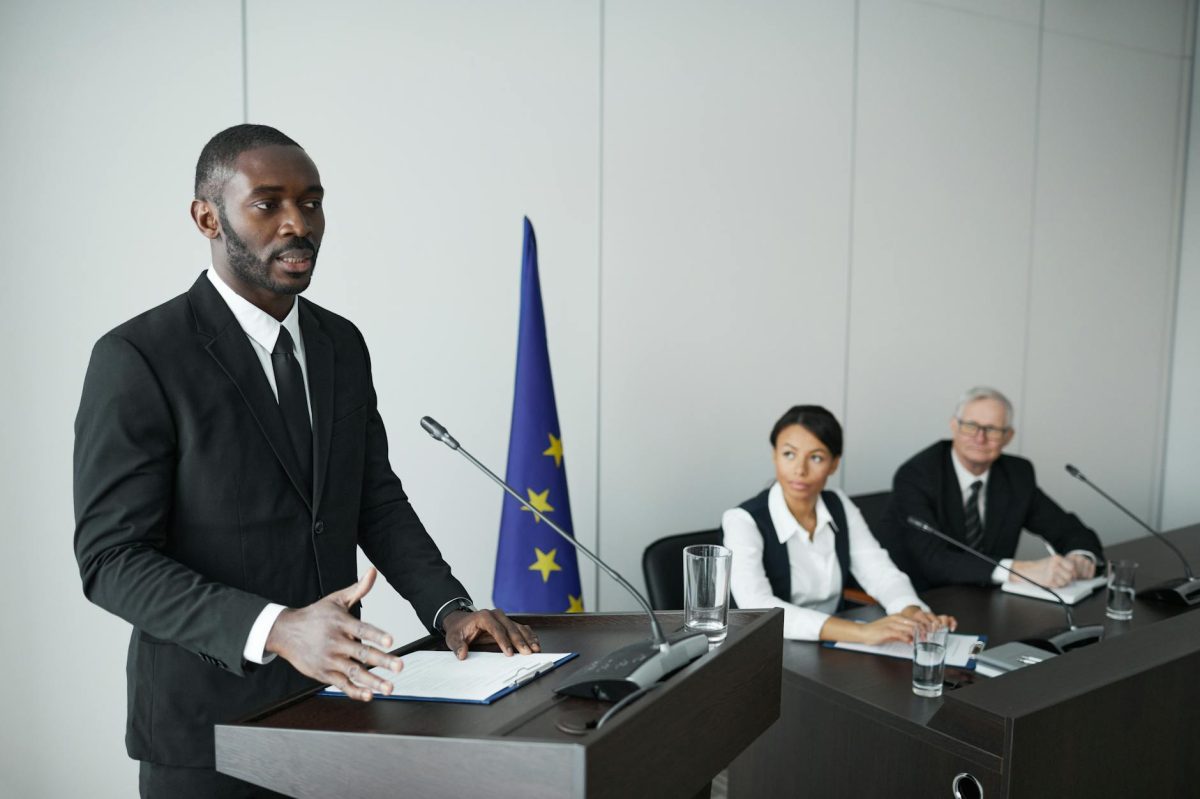
“We have seen this kind of thing before, and it never ends well for the poor and vulnerable.”
What We Don't Know Yet
Despite the troop deployment, there are still many questions about the campaign's effectiveness and its impact on the city's residents. How will the troops be deployed, and what strategies will they use to tackle violent street crime? What safeguards will be put in place to prevent human rights abuses, and how will the city's police and military forces work together to ensure that the campaign is carried out in a way that is 'responsible and humane.' According to local reports, the city's government has vowed to provide regular updates on the campaign's progress, but it remains to be seen whether this will be enough to reassure residents that their rights are being protected. 'We need to be kept in the loop about what is happening and why,' said Dewi. 'We deserve to know what is going on in our city.'
Key Takeaways
- Jakarta residents have welcomed the deployment of troops against violent street crime.
- The troop deployment follows a wave of brazen motorbike muggings that struck fear into the city's residents.
- The deployment raises concerns about human rights abuses, including mass arrests and torture.
- The city's police chief has promised to uphold human rights and to ensure that the troop deployment is carried out in a way that is 'responsible and humane.'
- The city's government has vowed to provide regular updates on the campaign's progress.
What to Watch
In the next 24-72 hours, residents and observers will be watching for signs of the troop deployment's effectiveness and potential impact on the city's residents. How will the troops be deployed, and what strategies will they use to tackle violent street crime? What safeguards will be put in place to prevent human rights abuses, and how will the city's police and military forces work together to ensure that the campaign is carried out in a way that is 'responsible and humane.' According to local reports, the city's government has vowed to provide regular updates on the campaign's progress, and residents are hoping that this will be enough to reassure them that their rights are being protected. 'We need to be kept in the loop about what is happening and why,' said Dewi. 'We deserve to know what is going on in our city.'
Indonesia has the world's fourth-largest population, yet its military spending is relatively low, at around 0.7% of its GDP, which is lower than many other countries in the region.
As the troop deployment continues, residents and observers will be watching for signs of its effectiveness and potential impact on the city's residents. While the deployment may provide a sense of security for some, it also raises concerns about human rights abuses and the impact on the city's poor and marginalized communities. Ultimately, the success of the campaign will depend on how it is carried out, and whether the city's government is able to balance its efforts to tackle violent street crime with its commitment to upholding human rights.