Pakistan Beaming Rogue Telecom Signals to Aid Terror Networks, Penetrate Jails in Jammu and Kashmir: Officials

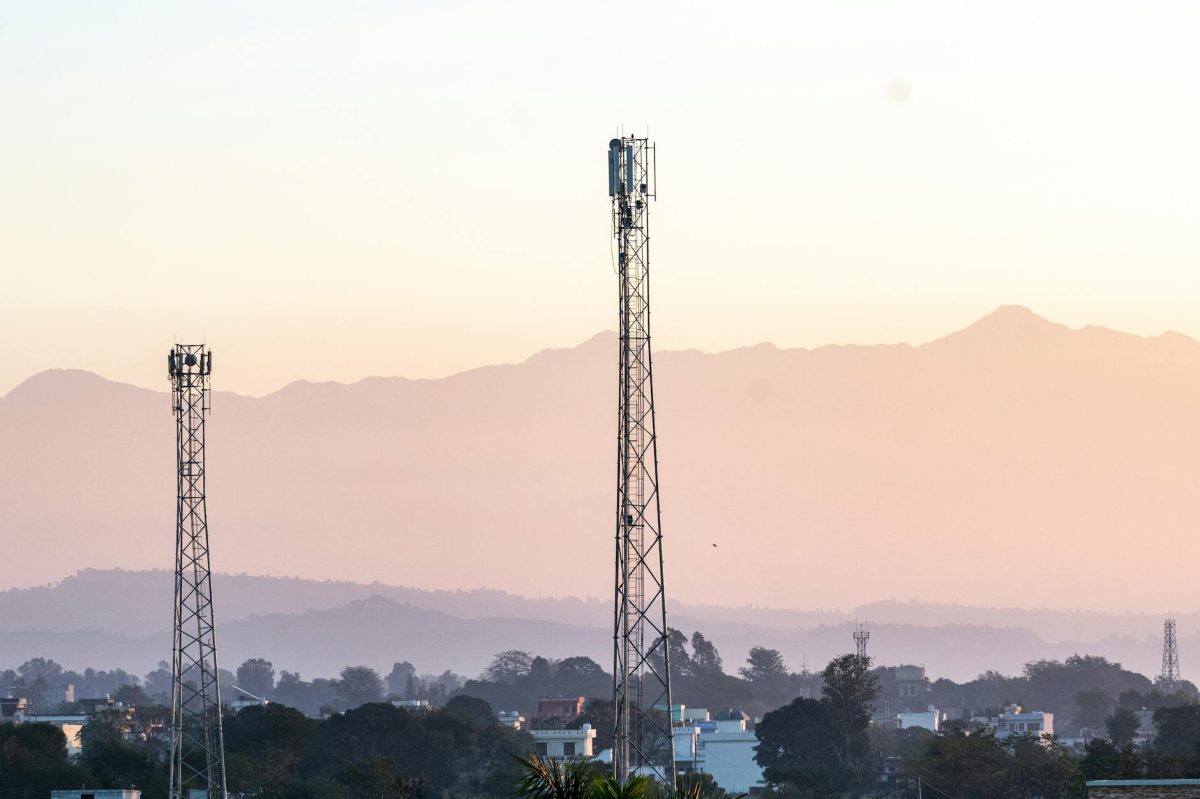
According to officials, Pakistan is beaming rogue telecom signals to aid terror networks and penetrate jails in Jammu and Kashmir, highlighting the country's increasing use of technology to fuel its proxy war in the region. This development has significant implications for the people of Jammu and Kashmir, who are already grappling with the effects of terrorism and unrest.
What Happened: Rogue Telecom Signals in Jammu and Kashmir
Account to senior government officials, the Pakistan-based telecom company, PTCL, has erected over 200 new telecom towers along the Line of Control (LoC) in Pakistan-administered Kashmir (PoK), whose signals are reportedly reaching various jails in Jammu and Kashmir. These signals, officials claim, are being used to facilitate communication between terror operatives and their handlers in Pakistan. The development has raised concerns about the security of the region's prisons, with officials citing the example of a recent jailbreak in which a group of militants allegedly used these rogue signals to coordinate their escape. According to a senior police official, 'We have reason to believe that these signals are being used to facilitate the movement of arms and ammunition into the region, which is further exacerbating the security situation.' **At least 17 new telecom towers have been erected in the past six months alone, with officials warning that this number is likely to increase in the coming months.
Why It Matters: The Broader Pattern of Pakistan's Proxy War
The use of rogue telecom signals to aid terror networks and penetrate jails in Jammu and Kashmir is just one aspect of Pakistan's broader pattern of proxy war in the region. Pakistan's Inter-Services Intelligence (ISI) agency has long been accused of supporting militant groups in the region, providing them with arms, ammunition, and funding. The recent surge in telecom towers along the LoC is, in part, a reflection of this support, which is designed to facilitate the movement of militants and their supplies into the region. This has significant implications for the people of Jammu and Kashmir, who are already grappling with the effects of terrorism and unrest. **The use of technology to fuel proxy wars is a worrying trend, which could have far-reaching consequences for regional security and stability.


“The use of telecom signals to facilitate the movement of arms and ammunition is a new and worrying development, which we are taking very seriously,”
What We Don't Know Yet: The Gaps in Our Understanding
Despite the concerns raised by officials, there are still many gaps in our understanding of the situation. For example, it is unclear how many telecom towers are currently operational along the LoC, or how many jails in Jammu and Kashmir are receiving these rogue signals. Additionally, officials have failed to provide concrete evidence of the use of these signals to facilitate terror activities, which has raised questions about the reliability of their claims. **The lack of transparency and accountability in the region's security apparatus has made it difficult to track the movement of arms and ammunition, which is further exacerbating the security situation.
What to Watch: Key Developments in the Next 24-72 Hours
In the next 24-72 hours, officials will be closely monitoring the security situation in Jammu and Kashmir, particularly in the wake of the recent surge in telecom towers along the LoC. Key individuals to watch include Pakistan's Prime Minister, Imran Khan, and the Chief Minister of Jammu and Kashmir, Mehbooba Mufti. Officials are also closely tracking the movement of arms and ammunition into the region, which is likely to have a significant impact on the security situation. **The Indian government is expected to take action against Pakistan's support for militant groups, which could include economic sanctions and diplomatic pressure.
Interestingly, the use of rogue telecom signals to aid terror networks is not a new phenomenon, with similar tactics having been used by militant groups in the Middle East and North Africa. However, the use of this tactic in Jammu and Kashmir is significant, as it highlights the increasing use of technology to fuel proxy wars in the region.
The situation in Jammu and Kashmir is complex and multifaceted, with many different stakeholders and interests at play. However, one thing is clear: the use of rogue telecom signals to aid terror networks and penetrate jails is a worrying trend, which could have far-reaching consequences for regional security and stability.