Explained: Blue Origin Rocket Explosion — What Happened and Why It Matters

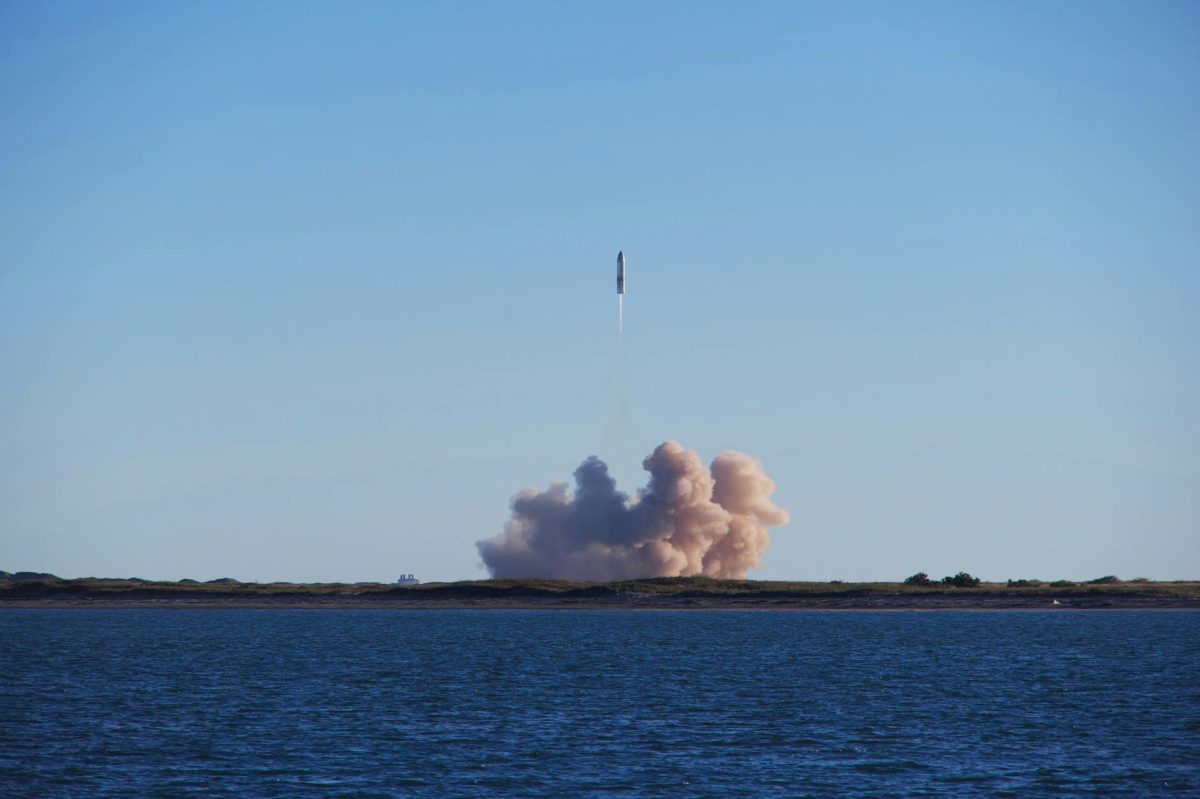
A Blue Origin rocket exploded during a test on the launch pad at Cape Canaveral, Florida, on Thursday. This incident marks the latest setback for the space company founded by Jeff Bezos. The explosion raises questions about the safety and reliability of private space companies like Blue Origin.
WHAT HAPPENED
According to an account by Blue Origin, the New Glenn rocket exploded during a test on the launch pad at Cape Canaveral, Florida, on Thursday. The incident occurred at 8:30 a.m. local time, when the rocket's liquid oxygen and hydrogen fuels were being loaded onto the launch pad. Account to Blue Origin, the blast was caused by a faulty valve in the rocket's propulsion system. The explosion was so powerful that it damaged the launch pad and nearby equipment. No injuries were reported, however, according to Blue Origin.
The explosion is a significant setback for Blue Origin, which has been working on the New Glenn rocket for several years. The rocket was designed to be a reusable launch vehicle, capable of carrying paying customers to space. The company had planned to launch the rocket on a maiden voyage later this year, but the explosion has likely pushed back those plans.
In a statement, Blue Origin said that the incident was a result of a 'complex failure' of the rocket's propulsion system. The company has not released any further details about the incident, but it is likely that an investigation will be launched in the coming days.
WHY IT MATTERS
The explosion of the Blue Origin rocket raises questions about the safety and reliability of private space companies like Blue Origin. While the company has a good track record of launching its suborbital New Shepard rocket, the New Glenn rocket is a more complex and ambitious project.
The incident also highlights the risks involved in space travel and the challenges of developing reusable launch vehicles. Space companies like Blue Origin and SpaceX are working to develop rockets that can carry people and cargo to space, but these efforts are still in their infancy.
The explosion of the Blue Origin rocket may also have implications for the commercial space industry as a whole. If private space companies like Blue Origin are not able to demonstrate their safety and reliability, it may be harder for them to attract investors and customers.
In a statement, space industry analyst Robert Pearlman said, 'This incident is a reminder that space travel is still a high-risk activity, and that private space companies need to be held to the same safety standards as government agencies.'


“The incident is a reminder that space travel is still a high-risk activity, and that private space companies need to be held to the same safety standards as government agencies. — Robert Pearlman, space industry analyst”
WHAT WE DON'T KNOW YET
There are still many questions about the explosion of the Blue Origin rocket, and it may take several days or even weeks to get to the bottom of what happened. Some of the questions that remain unanswered include:
- What was the exact cause of the explosion?
- How much damage was done to the launch pad and surrounding equipment?
- What are the implications for the commercial space industry?
- Will the incident delay the launch of the New Glenn rocket?
Blue Origin has not released any further information about the incident, and it is likely that an investigation will be launched in the coming days. In the meantime, the company will likely be working to assess the damage and determine the cause of the explosion.
WHAT TO WATCH
In the coming days and weeks, there are several things to watch out for in relation to the explosion of the Blue Origin rocket. Some of the key things to monitor include:
- The results of the investigation into the explosion.
- The extent of the damage to the launch pad and surrounding equipment.
- The impact on the commercial space industry.
- The progress of the New Glenn rocket's development.
It is likely that Blue Origin will provide further updates on the incident in the coming days, and it is also possible that other space companies will weigh in on the incident. In the meantime, the space industry will be closely watching the developments.
Despite the risks and challenges, the failure rate of rockets is actually lower than that of airplanes, with a study showing that the overall failure rate for rockets is around 1-2%, compared to 0.01-0.1% for commercial airplanes.
The explosion of the Blue Origin rocket is a significant setback for the company and the commercial space industry as a whole. However, it is also an opportunity for the industry to learn from its mistakes and to improve the safety and reliability of its rockets. In the coming days and weeks, we will likely learn more about the incident and its implications for the industry. But for now, the focus should be on ensuring the safety of those involved and on investigating the cause of the explosion.