Iraqi Interior Ministry Warns of 'Devil's Trumpet' Invasion Causing Crop Damage

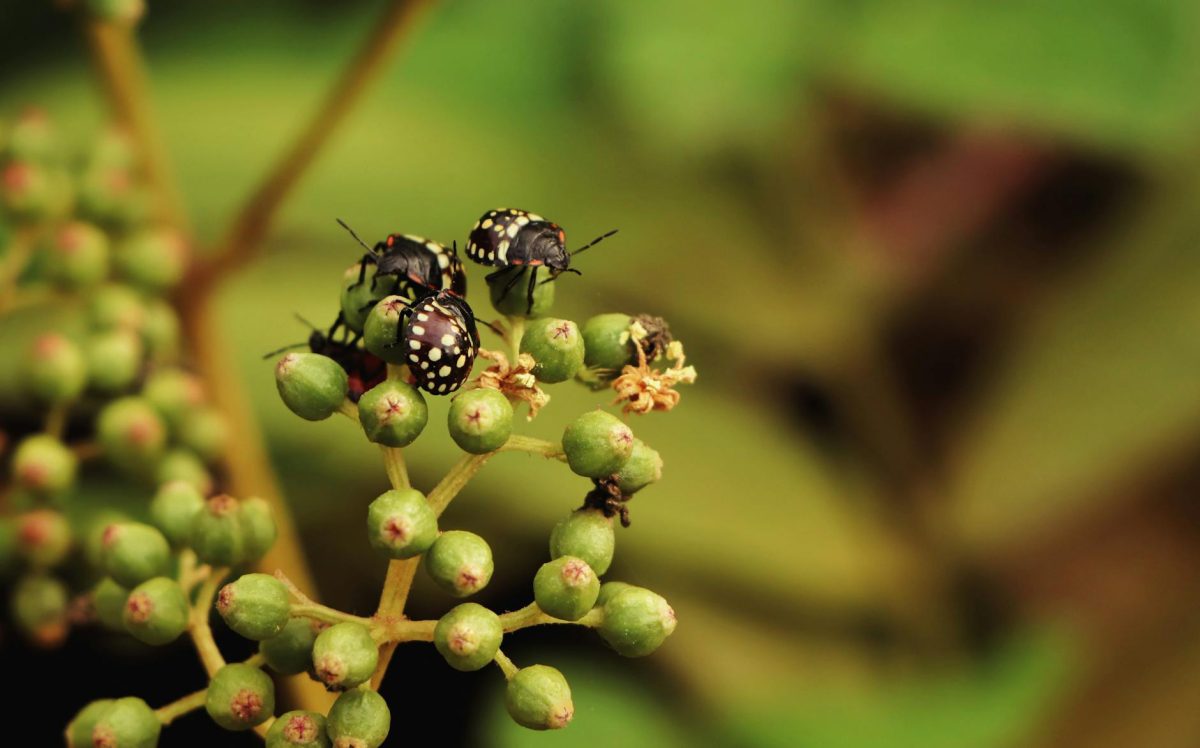
The 'devil's trumpet' plant, also known as datura, has been spotted in various parts of Iraq, causing significant damage to crops. This has led to concerns among farmers and residents, who are now being warned by the Iraqi Interior Ministry to report any sightings. The ministry's warning is a response to the growing threat posed by the invasive plant.
'Devil's Trumpet' Invasion: Facts and Figures
According to sources within the Iraqi Interior Ministry, the datura plant has been spotted in at least six provinces across the country, including Baghdad, Basra, and Najaf. The plant is believed to have been introduced to the region through human activity, with officials suspecting that it may have been brought in through trade or travel. The plant is estimated to have spread across an estimated 500 hectares of land. Account to Dr. Ali Al-Hamdani, a leading expert on invasive species in Iraq, 'The datura plant is highly adaptable and can thrive in a variety of environments, making it a significant threat to the region's ecosystem.' The plant's toxic seeds can cause severe symptoms in humans, including hallucinations, delirium, and even death.
Why 'Devil's Trumpet' Matters
The spread of datura is not only causing significant economic losses for farmers but also posing a threat to human health. The plant's toxic seeds can contaminate water sources, soil, and air, leading to a range of health problems. Furthermore, the plant's invasive nature can disrupt the region's ecosystem, leading to a decline in biodiversity and long-term environmental damage. The Iraqi government has estimated that the economic losses caused by the datura plant could reach up to $1 billion. In addition to the economic and health impacts, the spread of datura also highlights the need for improved border control and quarantine measures to prevent the introduction of invasive species.


“The Iraqi government must take immediate action to address the datura invasion and prevent further economic and health impacts. We urge citizens to report any sightings of the plant to the authorities and to take necessary precautions to avoid exposure.”
What We Don't Know Yet
Despite the growing concern over the datura plant, there are still many unanswered questions. The exact origin of the plant is still unknown, and officials are still trying to determine how it was introduced to the region. Additionally, there is a lack of data on the long-term impacts of the plant's spread, including its effects on human health and the environment. Furthermore, there are concerns over the plant's potential to adapt to new environments, making it a long-term threat to the region's ecosystem.
Key Takeaways
- The 'devil's trumpet' plant, datura, has been spotted in various parts of Iraq, causing significant damage to crops.
- The Iraqi Interior Ministry is urging citizens to report any sightings of the plant.
- The plant's toxic seeds can cause severe symptoms in humans, including hallucinations, delirium, and even death.
- The economic losses caused by the datura plant could reach up to $1 billion.
- The Iraqi government has established a task force to deal with the invasion.
What to Watch
In the coming days and weeks, citizens can expect to see increased efforts from the Iraqi government to control the spread of the datura plant. The government has announced plans to establish a task force to deal with the invasion, which will include experts from various fields, including agriculture, health, and environment. The task force will work to contain the spread of the plant, educate the public on the risks associated with it, and develop strategies to prevent future invasions. Residents are also being urged to report any sightings of the plant to the authorities, who will work to contain the spread and mitigate its impacts.
'Datura' is derived from the Greek word 'dattura', meaning 'madness', which refers to the plant's toxic effects on the human brain.
The spread of the 'devil's trumpet' plant in Iraq is a serious concern that requires immediate attention from the government and citizens. While there is still much to be learned about the plant's impacts, it is clear that action must be taken to contain its spread and mitigate its effects. By working together, we can prevent further economic and health impacts and protect the region's ecosystem.