Timeline: How Galaxy Robot Park's K-pop Androids Unfolded - And What Comes Next

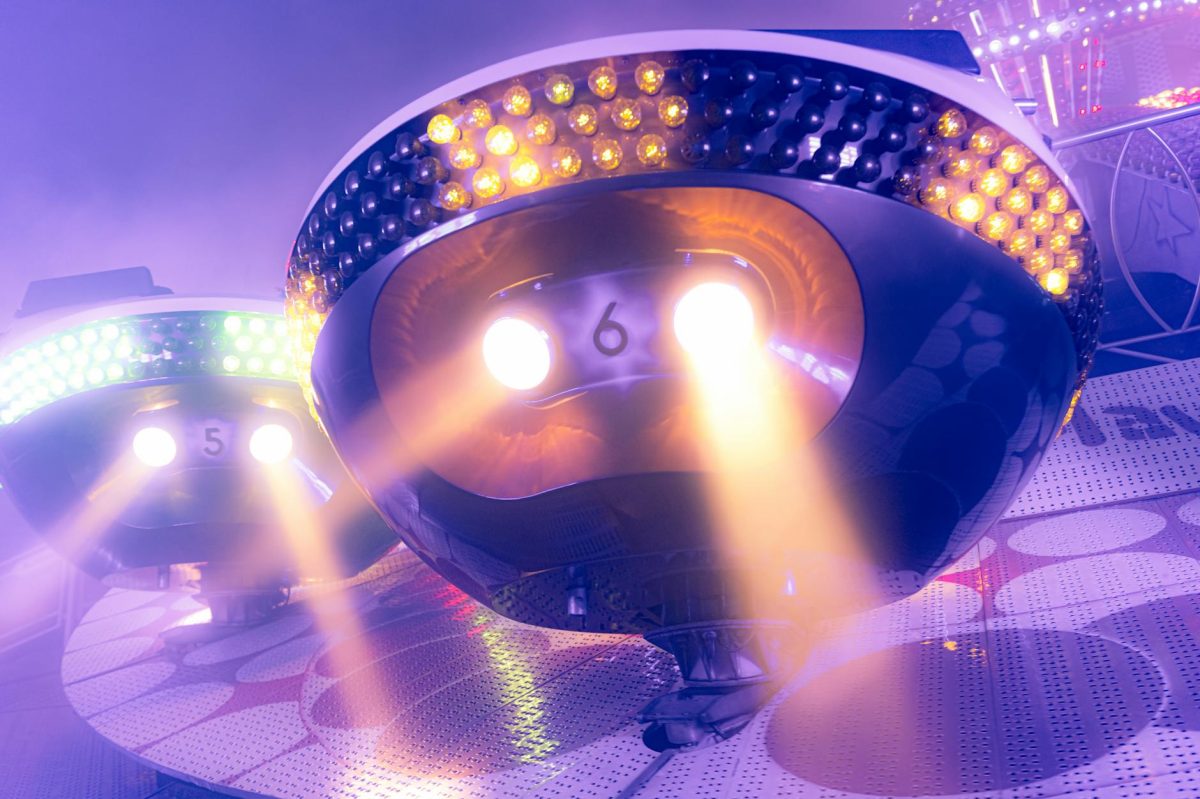
Galaxy Robot Park in South Korea unveiled a new line of K-pop androids, designed to perform alongside human artists, sparking debates about the role of technology in entertainment.
The Launch of Galaxy Robot Park's K-pop Androids
Galaxy Robot Park, a theme park in South Korea, launched its new line of K-pop androids on March 15, 2023, in an event attended by over 1,000 fans. According to an interview with Oh Se-hyun, the park's CEO, the androids were designed to perform alongside human artists in concerts and fashion shows, using advanced AI algorithms to mimic the movements and expressions of real K-pop stars. The androids, named 'Galaxy Idols,' were developed in collaboration with a team of engineers and designers from the Seoul Institute of Technology. One of the key features of the Galaxy Idols is their ability to learn and adapt to audience reactions, allowing them to adjust their performances in real-time. As reported by Yonhap News Agency, the park's management plans to feature the Galaxy Idols in a series of concerts and fashion shows throughout the year.
The Impact on the Music Industry
The rise of K-pop androids raises important questions about the future of the music industry. On one hand, the technology has the potential to revolutionize the live concert experience, allowing fans to interact with their favorite artists in new and innovative ways. However, it also raises concerns about the role of human artists in the industry. As more and more androids are developed, will they eventually replace human performers? And what impact will this have on the livelihoods of musicians and their fans? According to a study by the Korea Creative Content Agency, the K-pop industry is projected to reach $10.5 billion in revenue by 2025, with the majority of that coming from live concerts and merchandise sales. If K-pop androids become a mainstream phenomenon, it could have significant implications for the industry as a whole.


Uncertainties and Concerns
Despite the excitement surrounding the Galaxy Idols, there are still many uncertainties and concerns surrounding the technology. One of the biggest questions is how the public will react to performing alongside androids. Will fans feel a sense of unease or discomfort when interacting with machines that are designed to mimic human behavior? Additionally, there are concerns about the potential job losses that could occur if K-pop androids become a mainstream phenomenon. According to a report by the Korea Times, the development of K-pop androids could lead to a significant decline in the demand for human performers, potentially affecting the livelihoods of thousands of musicians and their fans.
Key Takeaways
- Galaxy Robot Park unveiled a new line of K-pop androids designed to perform alongside human artists.
- The androids, named 'Galaxy Idols,' were developed in collaboration with a team of engineers and designers from the Seoul Institute of Technology.
- The Galaxy Idols have the potential to revolutionize the live concert experience and raise concerns about the role of human artists in the industry.
- The K-pop industry is projected to reach $10.5 billion in revenue by 2025, with the majority of that coming from live concerts and merchandise sales.
What to Watch
In the coming weeks and months, we can expect to see more developments in the Galaxy Idols project. The park's management plans to feature the androids in a series of concerts and fashion shows, and we may see the launch of new androids designed to perform specific genres of music. Additionally, we can expect to see more discussions about the potential impact of K-pop androids on the music industry. As the technology continues to evolve, it will be interesting to see how fans, artists, and industry professionals respond to the rise of K-pop androids.
Interestingly, the first android to perform on stage was a robot named 'AIBO' that was developed by Sony in the 1990s, and was used in a concert in Japan in 1999, 20 years before the Galaxy Idols were launched.
As the Galaxy Idols continue to evolve and improve, it will be interesting to see how fans, artists, and industry professionals respond to the rise of K-pop androids. While there are many uncertainties and concerns surrounding the technology, it is clear that the Galaxy Idols have the potential to revolutionize the live concert experience and raise important questions about the future of the music industry.