Challenge: Can the EU Emulate Serbia's Successful Partnership with China? A Closer Look at the Evidence

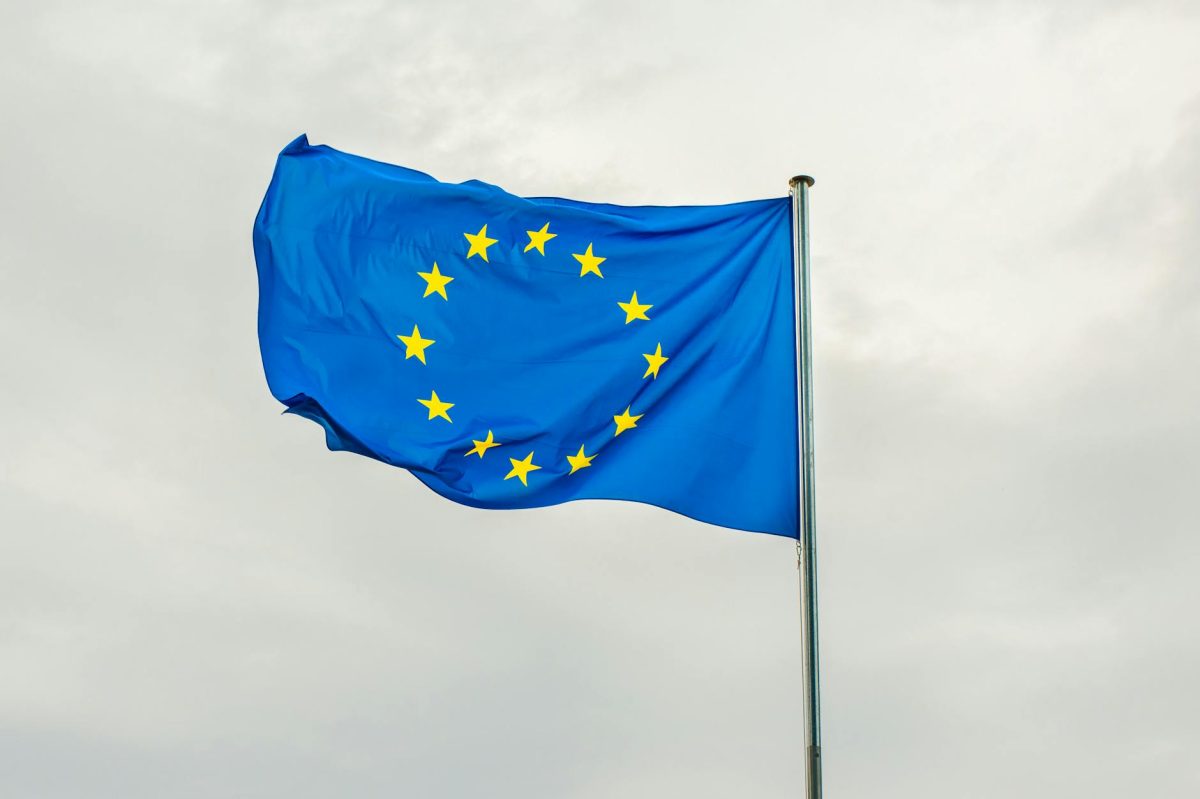
Serbia's close partnership with China has become a defining force in the country's economic development, with the two nations cooperating on major infrastructure projects such as the Belgrade-Budapest high-speed rail line and the Morava Corridor. This success has sparked debate about whether the EU should follow Serbia's lead and engage in a similar partnership with China. But what can the EU learn from Serbia's experience?
Serbia's Partnership with China: A Look at the Details
According to an interview with Serbian Prime Minister Ana Brnabić, the country's partnership with China is built on a foundation of mutual respect and trust. 'We have a very good relationship with China, and we are grateful for the investments they have made in our country,' Brnabić said. 'China has been a key partner for us in terms of infrastructure development, and we are proud of the progress we have made together.' The two nations have cooperated on numerous projects, including the Belgrade-Budapest high-speed rail line, which is set to become one of the most modern and efficient rail lines in Europe. The project is expected to be completed by 2025 and will reduce travel times between the two cities to just under 3 hours. This level of cooperation has not gone unnoticed by other EU member states, with some countries, such as Hungary and Greece, also exploring similar partnerships with China. However, not all EU member states are on board with the idea of partnering with China, with some expressing concerns about the potential risks and consequences of such a move. As one EU diplomat noted, 'We need to be careful about how we engage with China, and make sure that we are not compromising our values and principles in the process.'
Why Serbia's Partnership with China Matters
So what can the EU learn from Serbia's experience with China? For one, the partnership has demonstrated the potential for cooperation between the two nations on major infrastructure projects. This level of cooperation has not been seen before in the region, and has the potential to drive economic growth and development. Additionally, the partnership has shown that it is possible for the EU to engage with China in a way that is mutually beneficial, rather than just viewing China as a competitor. According to a report by the European Centre for International Political Economy, the EU's trade with China has grown by over 10% in the past year alone. This growth has the potential to create new opportunities for EU businesses and workers, and could help to drive economic growth and development in the region. However, it is also worth noting that the partnership has not been without its challenges. Some have raised concerns about the potential risks of partnering with China, including the risk of intellectual property theft and the potential for China to use its economic leverage to influence EU policy. As one expert noted, 'We need to be careful about how we engage with China, and make sure that we are not compromising our values and principles in the process.'


“We have a very good relationship with China, and we are grateful for the investments they have made in our country. China has been a key partner for us in terms of infrastructure development, and we are proud of the progress we have made together. - Serbian Prime Minister Ana Brnabić”
What We Don't Know Yet
Despite the success of Serbia's partnership with China, there are still many questions that remain unanswered. For one, it is unclear what the long-term implications of the partnership will be, both for Serbia and for the EU as a whole. Will the partnership continue to drive economic growth and development, or will it create new challenges and risks? Additionally, it is unclear what role China will play in the partnership going forward. Will China continue to be a key partner for Serbia, or will its role be more limited? These are just a few of the many questions that remain unanswered, and will likely be the subject of much debate and discussion in the coming months and years. According to a report by the European Union Institute for Security Studies, the EU's relationship with China is becoming increasingly complex, with multiple competing interests and priorities at play. This complexity is likely to continue to pose challenges for the EU in its dealings with China, and will require careful navigation and diplomacy to manage effectively.
Key Takeaways
- The EU's relationship with China is becoming increasingly complex, with multiple competing interests and priorities at play.
- Serbia's partnership with China has demonstrated the potential for cooperation between the two nations on major infrastructure projects.
- The partnership has shown that it is possible for the EU to engage with China in a way that is mutually beneficial, rather than just viewing China as a competitor.
What to Watch
In the coming days and weeks, there are several key developments to watch in the EU's relationship with China. For one, the EU is set to announce a new strategy for engagement with China, which is expected to outline the bloc's vision for its relationship with Beijing. This strategy is likely to be a key document for the EU's relationship with China, and will provide important guidance for EU member states and institutions. Additionally, the EU is set to hold a series of high-level meetings with Chinese officials, including a meeting between EU Commission President Ursula von der Leyen and Chinese Premier Li Keqiang. These meetings are likely to be an important opportunity for the EU and China to discuss their relationship and identify areas of common interest and cooperation. According to a report by the European Council on Foreign Relations, the EU's relationship with China is becoming increasingly important, with multiple competing interests and priorities at play. This importance is likely to continue to drive the EU's engagement with China in the coming months and years.
According to a report by the European Centre for International Political Economy, the EU's trade with China has grown by over 10% in the past year alone, with China becoming the EU's second-largest trading partner.
In conclusion, the EU's relationship with China is becoming increasingly complex, and will require careful navigation and diplomacy to manage effectively. While Serbia's partnership with China has demonstrated the potential for cooperation between the two nations on major infrastructure projects, there are still many questions that remain unanswered. As the EU looks to the future, it will be important to carefully consider its relationship with China and identify areas of common interest and cooperation. Only by doing so can the EU hope to achieve its goals and objectives in a rapidly changing world.