UK's Anxious Generation: Young People Struggle to Adapt to Workplace Demands


A growing number of young people in the UK are struggling to adapt to the demands of the workplace, according to former Labour health secretary Alan Milburn. This phenomenon has significant implications for the mental and emotional well-being of individuals, as well as the broader economy. Milburn's comments come as part of a wider discussion about the need for greater flexibility and mental health support in the workplace.
Former Labour Health Secretary Alan Milburn Sounds Alarm on Workplace Anxiety Among Young People
Account to the BBC, former Labour health secretary Alan Milburn has expressed concern about the rising levels of anxiety and stress experienced by young people in the UK. In an interview, Milburn highlighted the need for greater flexibility and mental health support in the workplace to address these issues. He stated: 'We have an anxious generation of young people who are struggling to adapt to the demands of the workplace.' Milburn's comments are based on a report by the Resolution Foundation think tank, which found that young people in the UK are experiencing high levels of stress and anxiety. According to the report, 61% of 18- to 24-year-olds reported feeling stressed, compared to 45% of 25- to 34-year-olds. This represents a 12% increase in stress levels among young people over the past five years.
The Broader Implications of Workplace Anxiety Among Young People
The growing concerns about workplace anxiety among young people have significant implications for the broader economy and society. Research has shown that workplace stress can lead to decreased productivity, increased absenteeism, and a higher likelihood of burnout. This, in turn, can have a negative impact on the economy, as well as the mental and emotional well-being of individuals. Moreover, the lack of flexibility and mental health support in the workplace can perpetuate social and economic inequalities. Young people from disadvantaged backgrounds may be disproportionately affected by workplace stress, as they may have limited access to resources and support. This can exacerbate existing social and economic inequalities.
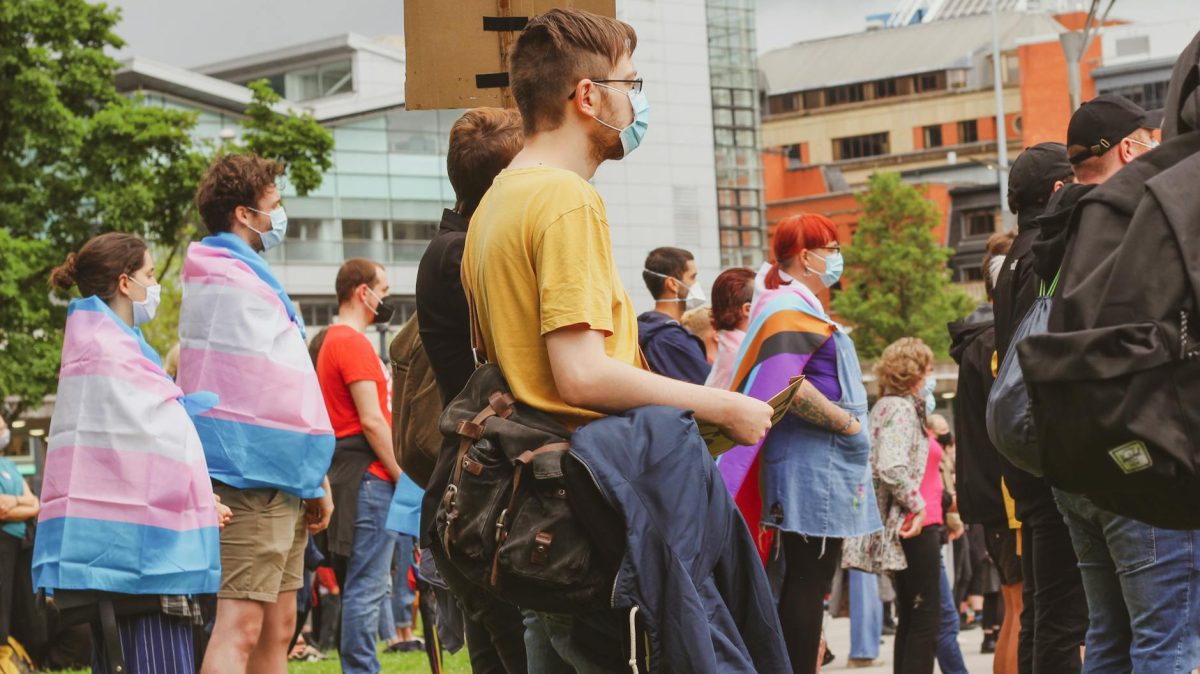

“'We have an anxious generation of young people who are struggling to adapt to the demands of the workplace.' Former Labour health secretary Alan Milburn”
What We Don't Know Yet
While the growing concerns about workplace anxiety among young people are well-documented, there are still many unanswered questions. For example, what specific factors contribute to workplace stress among young people? Are there any effective strategies for reducing workplace anxiety and promoting mental health in the workplace? Additionally, how can policymakers and employers work together to address these issues? More research is needed to fully understand the scope and causes of workplace anxiety among young people.
What to Watch
In the coming weeks and months, there are several developments to watch in relation to workplace anxiety among young people. The UK government is due to release a new report on mental health in the workplace, which is expected to provide further insights into the current state of workplace anxiety among young people. Additionally, several companies are launching new initiatives to promote mental health and well-being in the workplace. The effectiveness of these initiatives will be closely watched.
Interestingly, a study found that employees who take regular breaks to play video games at work experience reduced stress levels and improved productivity.
In conclusion, the growing concerns about workplace anxiety among young people in the UK are a pressing issue that requires attention and action. By providing greater flexibility and mental health support in the workplace, we can help to reduce stress and anxiety and promote the well-being of young people. This, in turn, can have a positive impact on the broader economy and society.