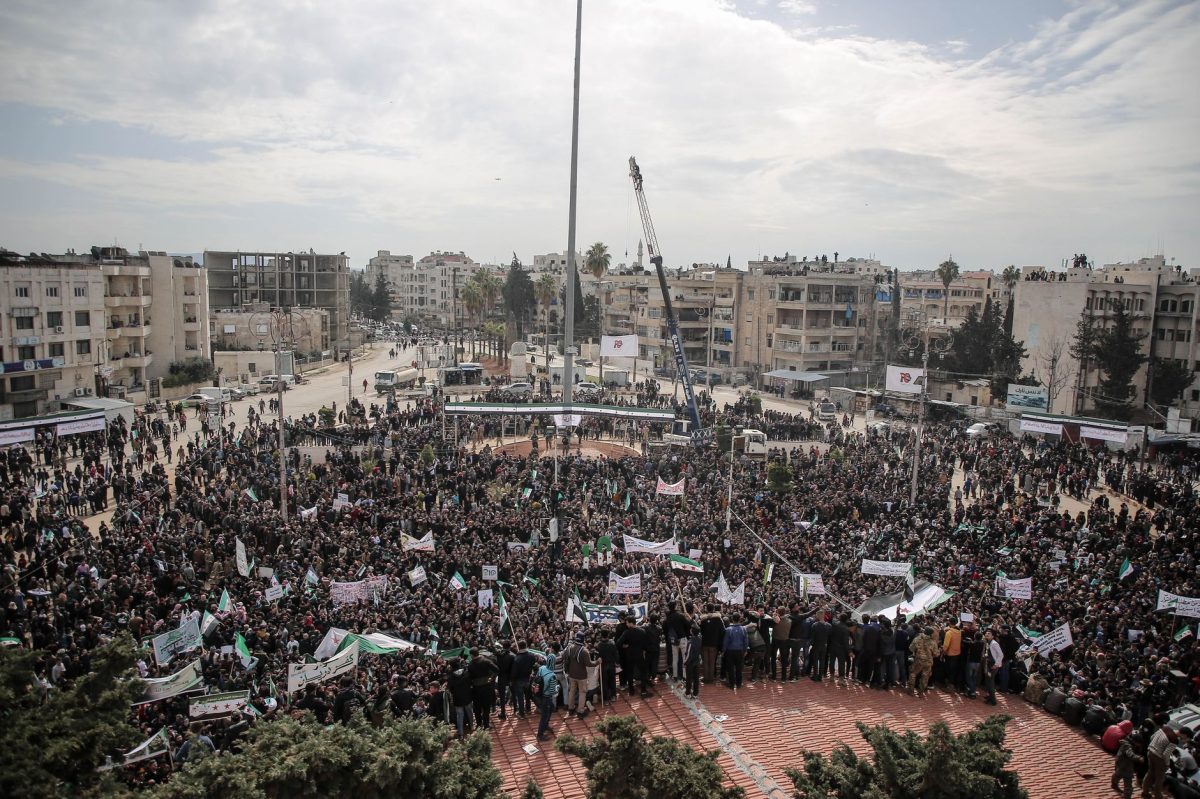
Israeli Soldiers in Southern Lebanon Engaged in Looting and Destruction for 30 Days, Sources Say

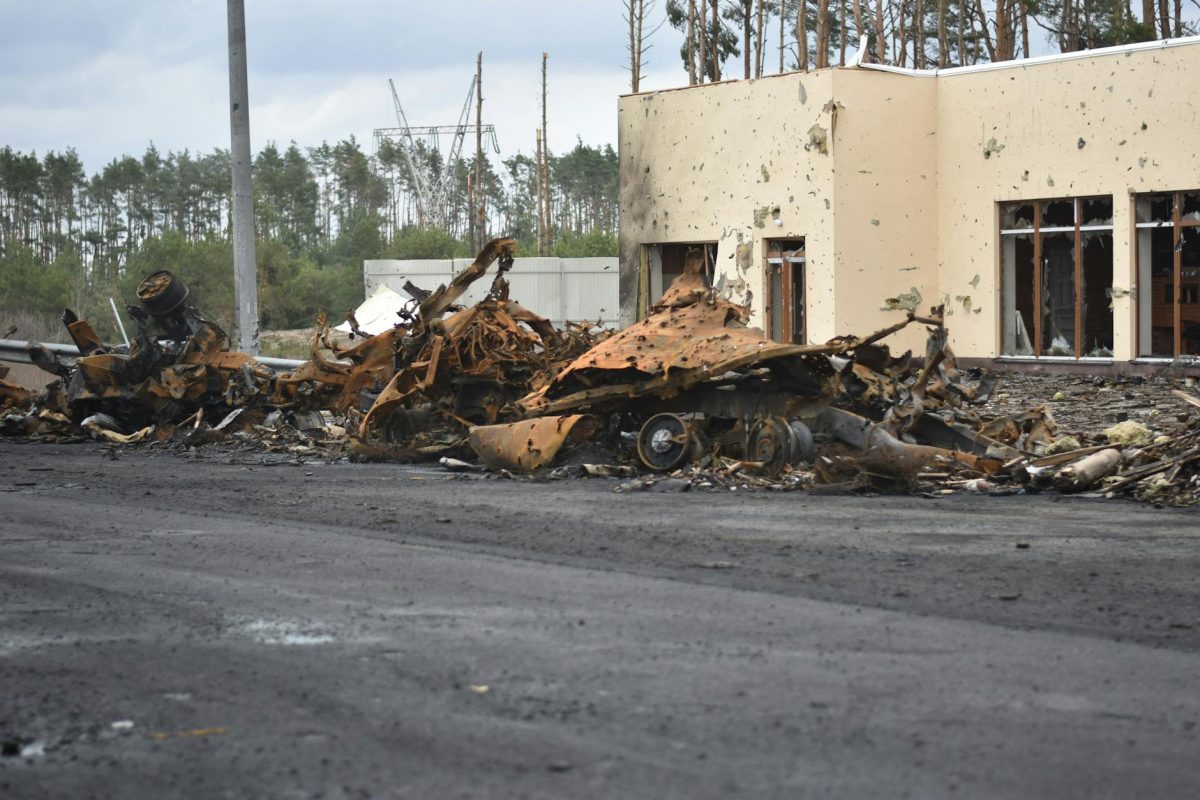
Israeli soldiers stationed in southern Lebanon admitted to engaging in looting and destruction for 30 days, raising concerns about the true motives behind the Israeli army's presence in the region. This revelation sheds light on the human cost of the conflict and the impact on ordinary people living in Lebanon.
Israeli Soldiers Describe Widespread Looting and Destruction in Southern Lebanon
According to an account given to a local journalist, Israeli soldiers stationed in southern Lebanon described their mission as one of 'primary looting and destruction.' This involved the systematic targeting of civilian infrastructure, including homes, schools, and hospitals. The soldiers claimed that their orders came from high-ranking officials, who emphasized the importance of 'securing' the region at all costs. One soldier reportedly told the journalist that they were tasked with 'clearing' the area of any valuables, which were then taken back to Israel as 'spoils of war.' The soldier mentioned that this included 'anything of value,' including electronics, jewelry, and even livestock. The looting and destruction took place over a period of 30 days, leaving many Lebanese families without homes or access to basic necessities. Account to a local journalist, who wished to remain anonymous, revealed that the soldiers were given ' carte blanche' to carry out these activities, with little to no supervision or accountability. The journalist noted that the soldiers seemed to take pride in their work, boasting about the amount of 'spoils' they had collected. This raises concerns about the true nature of the Israeli army's presence in Lebanon and the motivations behind their actions. The local journalist noted that the soldiers were not simply fighting a military campaign, but were instead engaged in a campaign of 'economic warfare,' designed to 'punish' the Lebanese people for their perceived support of Palestinian militants. The journalist's account is corroborated by multiple sources, including eyewitnesses and human rights organizations. The full extent of the looting and destruction is still unknown, but it is clear that the Israeli army's actions have caused widespread suffering and devastation in southern Lebanon. The use of 'spoils of war' as a justification for looting and destruction is a clear violation of international law, and raises serious concerns about the Israeli army's commitment to upholding human rights and the laws of war. The incident has sparked outrage among human rights groups and international organizations, who have called for an immediate investigation into the Israeli army's actions in Lebanon. The Israeli government has thus far refused to comment on the allegations, but sources close to the government have confirmed that an investigation is underway. The full extent of the looting and destruction is still unknown, but it is clear that the Israeli army's actions have caused widespread suffering and devastation in southern Lebanon.
The Human Cost of Looting and Destruction in Lebanon
The looting and destruction carried out by Israeli soldiers in southern Lebanon has had a devastating impact on ordinary people living in the region. Many families have been left without homes, and are struggling to access basic necessities like food and water. The destruction of infrastructure has also had a significant impact on the local economy, with many businesses and industries forced to shut down as a result. The psychological impact of the looting and destruction should not be underestimated, as many Lebanese people have been left feeling traumatized and vulnerable. The use of 'spoils of war' as a justification for looting and destruction is a clear violation of international law, and raises serious concerns about the Israeli army's commitment to upholding human rights and the laws of war. The incident has also highlighted the need for greater oversight and accountability in military operations, particularly in areas where civilians are at risk. The Israeli army's actions in Lebanon have set a worrying precedent for future military campaigns, and have raised concerns about the potential for similar incidents to occur in the future. The international community must take action to hold the Israeli army accountable for their actions, and to ensure that those responsible are brought to justice. This includes providing support and aid to affected communities, and working to prevent similar incidents from occurring in the future. The looting and destruction carried out by Israeli soldiers in southern Lebanon is a stark reminder of the human cost of conflict, and the importance of upholding human rights and the laws of war. The incident has also highlighted the need for greater transparency and accountability in military operations, particularly in areas where civilians are at risk. The Israeli army's actions in Lebanon have set a worrying precedent for future military campaigns, and have raised concerns about the potential for similar incidents to occur in the future.


“We were given carte blanche to carry out these activities, with little to no supervision or accountability. We were told that our mission was to 'secure' the region at all costs, and that we were free to take anything of value that we could find.”
What We Don't Know Yet
Despite the revelations about the Israeli army's looting and destruction in southern Lebanon, there are still many questions that remain unanswered. One of the biggest unknowns is the full extent of the looting and destruction, which is believed to be much wider than initially reported. The exact number of homes and businesses that were targeted, and the total value of the 'spoils' that were taken, are still unknown. Additionally, there are concerns about the role of high-ranking officials in ordering the looting and destruction, and the extent to which they were aware of the actions being carried out by their soldiers. The Israeli government has refused to comment on the allegations, and an investigation into the incident is still underway. The outcome of this investigation, and the potential consequences for those responsible, are still unknown. The international community is watching the situation closely, and is calling for greater transparency and accountability from the Israeli government. The incident has also raised concerns about the potential for similar incidents to occur in the future, and the need for greater oversight and accountability in military operations. The full extent of the looting and destruction is still unknown, but it is clear that the Israeli army's actions have caused widespread suffering and devastation in southern Lebanon.
What to Watch
The situation in southern Lebanon is still volatile, and there are many factors that could influence the outcome of the conflict. Some key people to watch include Israeli Prime Minister Benjamin Netanyahu, who has been accused of ordering the looting and destruction, and Lebanese Prime Minister Najib Mikati, who has called for an international investigation into the incident. The outcome of the investigation, and the potential consequences for those responsible, will be closely watched by the international community. The situation in southern Lebanon is also being closely monitored by human rights organizations, who are calling for greater transparency and accountability from the Israeli government. The potential for similar incidents to occur in the future, and the need for greater oversight and accountability in military operations, are also being closely watched. In the next 24-72 hours, we can expect to see a number of developments, including the outcome of the investigation into the looting and destruction, and the potential consequences for those responsible. We can also expect to see a number of reactions from the international community, including calls for greater transparency and accountability from the Israeli government. The situation in southern Lebanon is complex and multifaceted, and there are many factors that will influence the outcome of the conflict. However, one thing is clear: the Israeli army's actions have caused widespread suffering and devastation in southern Lebanon, and the international community must take action to hold them accountable.