No Country Has Ever Developed Without Urbanising, World Bank Economist Tells Euronews at Baku Forum

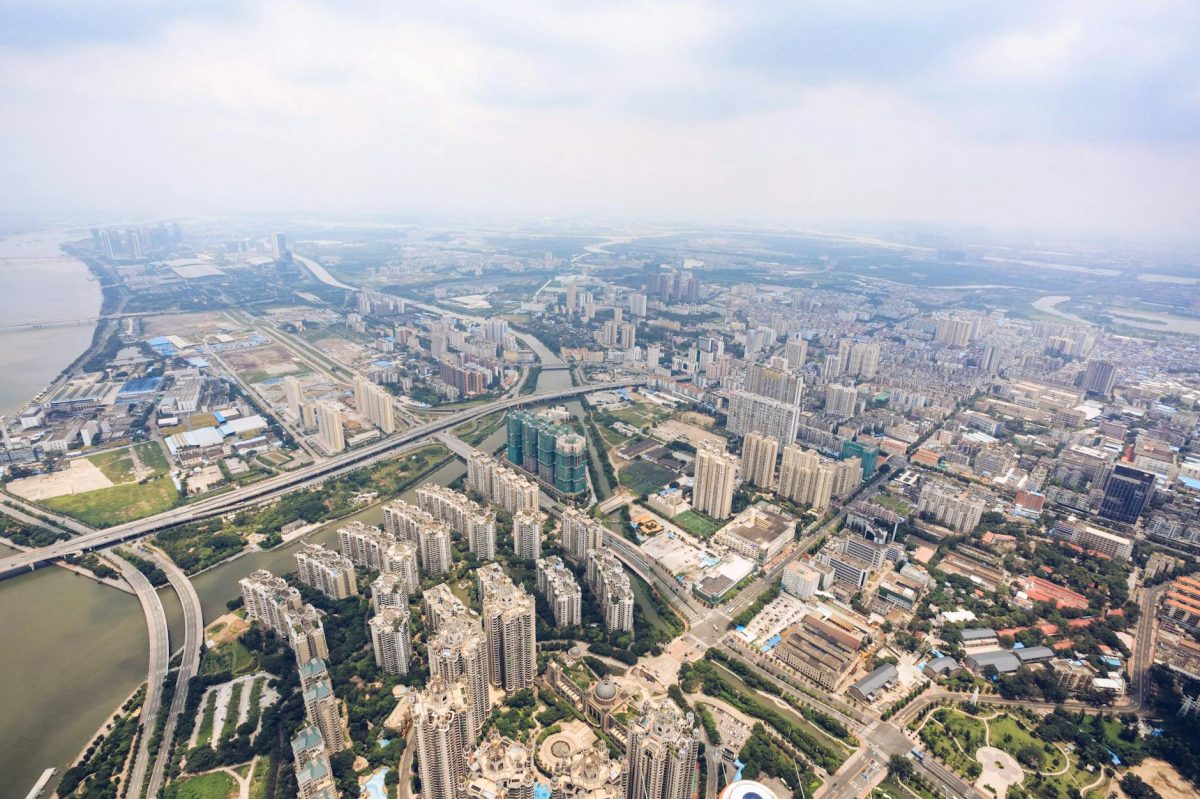
At the World Urban Forum in Baku, a senior World Bank economist stressed that every country in history has undergone urbanisation before developing its economy. This process drives economic growth and job creation, but Africa faces a significant financing gap.
Account to Euronews at the World Urban Forum
A World Bank senior expert told Euronews at the World Urban Forum in Baku that no country has ever developed without urbanising. According to the expert, every successful economy in history has gone through a period of rapid urbanisation. This process has been instrumental in driving economic growth and job creation. Urbanisation is not just a natural process of population growth, but it also requires careful planning and investment to succeed. The expert cited the examples of South Korea and Singapore, which underwent rapid urbanisation in the 20th century and are now among the world's leading economies. In an interview with Euronews, the expert noted that these countries invested heavily in infrastructure, education, and healthcare, which helped to spur economic growth and job creation. The World Urban Forum in Baku brought together experts from around the world to discuss the challenges and opportunities of urbanisation. The event highlighted the importance of urban planning and investment in driving economic growth and improving the quality of life for citizens.
Why Urbanisation Matters for Africa
The World Bank's senior expert warned that Africa faces a significant financing gap in its urbanisation efforts. The continent has been experiencing rapid urbanisation, with many cities struggling to keep up with the demand for housing, infrastructure, and services. According to the United Nations, Africa's urban population is expected to grow from 450 million in 2010 to 1.3 billion by 2050. This growth presents both opportunities and challenges for African countries. On the one hand, urbanisation can drive economic growth and job creation, but on the other hand, it can also lead to poverty, inequality, and environmental degradation. The World Bank has estimated that the African continent needs at least $150 billion per year to address its urbanisation challenges. However, the current funding gap is significant, and African countries will need to find innovative solutions to bridge this gap. The expert noted that private sector investment, international aid, and public-private partnerships will be crucial in addressing the financing gap. Additionally, African governments will need to create enabling environments for private sector investment, improve governance, and enhance the quality of public services.

“Every country in history has gone through a period of rapid urbanisation before developing its economy. Urbanisation is not just a natural process of population growth, but it also requires careful planning and investment to succeed.”
What We Don't Know Yet
While the World Bank's senior expert highlighted the importance of urbanisation, there are still many questions remaining. For instance, how can African countries balance the needs of their urban populations with the need to protect the environment? How can they ensure that urbanisation leads to inclusive growth and reduces poverty and inequality? What role can technology play in addressing the challenges of urbanisation? The World Bank has estimated that Africa's urban population will grow by 500 million people by 2030, which will put a huge strain on resources and infrastructure. The expert noted that urban planning and investment will be crucial in addressing these challenges. However, there is a need for more research on the impact of urbanisation on the environment and the economy. Additionally, there is a need for more data on the financing gap and the solutions that are being implemented. The World Bank has estimated that the African continent needs at least $150 billion per year to address its urbanisation challenges. However, the current funding gap is significant, and African countries will need to find innovative solutions to bridge this gap.
Key Takeaways
- No country has ever developed without urbanising, according to a World Bank senior expert.
- Urbanisation drives economic growth and job creation, but Africa faces a significant financing gap.
- The African continent needs at least $150 billion per year to address its urbanisation challenges.
- Private sector investment, international aid, and public-private partnerships will be crucial in addressing the financing gap.
- African countries will need to find innovative solutions to bridge the funding gap.
What to Watch
The World Urban Forum in Baku highlighted the importance of urbanisation and the need for innovative solutions to address the financing gap. In the coming weeks, several key events will take place that will shape the future of urbanisation in Africa. The African Development Bank will hold a meeting to discuss the financing gap and potential solutions. The meeting will bring together experts from around the world to discuss the challenges and opportunities of urbanisation. Additionally, several African countries will announce new initiatives to address the urbanisation challenges. These initiatives will include investments in infrastructure, education, and healthcare. The World Bank has estimated that the African continent needs at least $150 billion per year to address its urbanisation challenges. However, the current funding gap is significant, and African countries will need to find innovative solutions to bridge this gap. The expert noted that private sector investment, international aid, and public-private partnerships will be crucial in addressing the financing gap.
Interestingly, the fastest urbanising country in the world is not in Asia, but rather in Africa, with Rwanda's urban population growing at a rate of 4.3% per year.
The World Bank's senior expert highlighted the importance of urbanisation in driving economic growth and job creation. However, Africa faces a significant financing gap, and African countries will need to find innovative solutions to bridge this gap. The World Urban Forum in Baku provided a platform for experts to discuss the challenges and opportunities of urbanisation. The event highlighted the need for careful planning and investment to succeed in urbanisation. African countries will need to create enabling environments for private sector investment, improve governance, and enhance the quality of public services to address the financing gap.