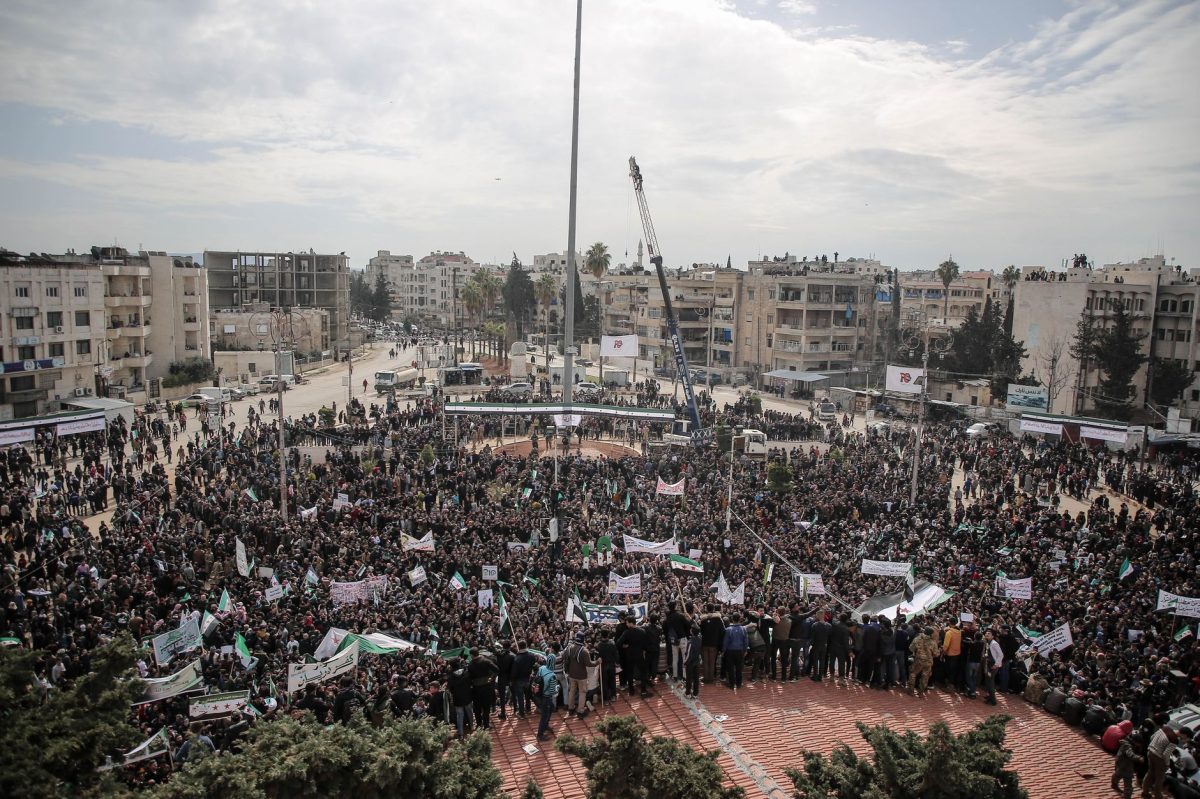
Kenya Paralysed by Deadly Protests and Strikes Due to 23.5% Fuel Price Hike


The Kenyan government's 23.5% fuel price hike has sparked protests and strikes in major cities, including Nairobi and Mombasa, with reports of deaths and injuries. This development matters because it highlights the country's dependence on fuel imports from the Gulf and the impact of global energy prices on local economies.
What Happened: Deadly Protests and Strikes in Kenya
According to reports from the Kenyan Red Cross, at least 10 people have been killed and over 100 injured in the protests, which began on Tuesday, May 16, after the government announced the 23.5% fuel price hike. The protests have been characterized by clashes between police and demonstrators, with many businesses and public services disrupted.nAccount to the Kenya National Union of Teachers... said that the union has called off all strikes and protests until further notice. This decision was made after a meeting with the government representatives, but the details of the meeting remain unclear.nIn Nairobi, the protests have been particularly intense, with protesters blocking major roads and burning tires. In Mombasa, protesters have targeted the local government offices, demanding the reversal of the fuel price hike.nEyewitness accounts suggest that the protests have been largely peaceful, with many Kenyans expressing their discontent through social media using the hashtag #FuelPriceHike.n
Why It Matters: Fuel Price Hike and Dependence on Imports
The Kenyan government's decision to hike fuel prices has exposed the country's vulnerability to global energy prices. Kenya is heavily dependent on fuel imports from the Gulf, particularly from Saudi Arabia and the United Arab Emirates. This dependence has significant implications for the country's economy, particularly for ordinary citizens.nThe fuel price hike will increase the cost of transportation, food, and other essential commodities, further exacerbating the economic hardship faced by millions of Kenyans.nThe impact of the fuel price hike will be felt across various sectors, including transportation, agriculture, and manufacturing. The increased costs will be passed on to consumers, making life even more difficult for those who are already struggling.nThe Kenyan government's reliance on fuel imports has also made the country susceptible to fluctuations in global energy prices, which can have far-reaching consequences for the economy.

“The fuel price hike is a clear indication that the government is not prioritizing the welfare of Kenyans. We demand that the government reverses the decision and provides relief to those affected,”
What We Don't Know Yet: Uncertainty and Gaps in Information
Despite the protests and strikes, there are still many unanswered questions about the fuel price hike and its impact on the Kenyan economy. The government has not provided a clear explanation for the decision, leaving many Kenyans confused and frustrated.nThe full extent of the economic impact of the fuel price hike remains unclear, with many experts warning of a potential recession.nThe protests and strikes have also raised concerns about the safety and security of citizens, particularly in major cities like Nairobi and Mombasa.nThe Kenyan government has not provided a clear timeline for when the protests and strikes will end, leaving many Kenyans in a state of uncertainty.
Key Takeaways
- The Kenyan government has hiked fuel prices by 23.5% leading to widespread protests and strikes.
- At least 10 people have been killed and over 100 injured in the protests.
- The fuel price hike will increase the cost of transportation, food, and other essential commodities.
- The Kenyan government's reliance on fuel imports has made the country susceptible to fluctuations in global energy prices.
- The situation in Kenya is likely to remain volatile in the coming days with many Kenyans demanding the reversal of the fuel price hike.
What to Watch: Key People and Realistic Outcomes
The situation in Kenya is likely to remain volatile in the coming days, with many Kenyans demanding the reversal of the fuel price hike. The government's response will be critical in determining the outcome of the protests and strikes.nThe Kenyan president, William Ruto, has been criticized for his handling of the situation, with many Kenyans calling for his resignation.nThe opposition parties have also called for the government to reverse the fuel price hike, with some parties promising to provide relief to those affected.nThe situation in Kenya is likely to remain tense in the coming days, with many Kenyans demanding change.
Kenya imports around 90% of its fuel from the Gulf, making it vulnerable to fluctuations in global energy prices.
The fuel price hike in Kenya has highlighted the country's dependence on fuel imports from the Gulf and the impact of global energy prices on local economies. The situation in Kenya is likely to remain volatile in the coming days, with many Kenyans demanding the reversal of the fuel price hike. As the situation unfolds, it is essential to consider the impact of the fuel price hike on ordinary citizens and the need for governments to prioritize their welfare.