UK 'Zero Net' Policy Under Fire as Critics Claim China Dominates Green Technology

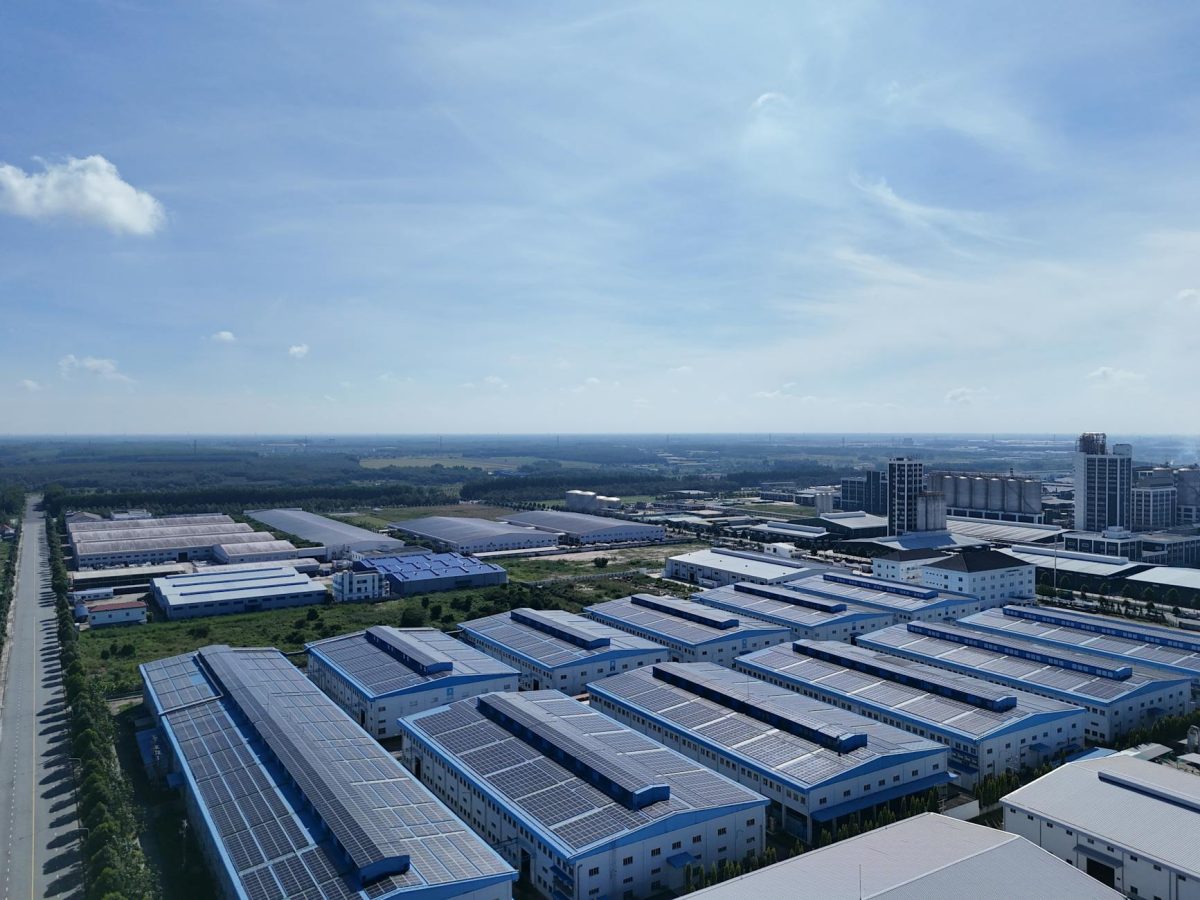
Critics of the UK's net-zero policy claim that the reliance on Chinese green technology poses a significant threat to British security, as China dominates the global market for renewable energy equipment. This concern highlights the need for the UK to develop its own green technology sector, rather than relying on foreign imports. The UK's transition to net-zero carbon emissions is a crucial step in addressing climate change, but critics argue that the path chosen may have unintended consequences.
What Happened
UK Energy Secretary Ed Miliband has been at the forefront of the country's efforts to transition to net-zero carbon emissions. In a recent speech, Miliband emphasized the need for the UK to accelerate its transition to renewable energy, stating that 'we must act now to avoid the worst impacts of climate change.' However, critics have questioned the wisdom of relying on Chinese green technology, which dominates the global market. According to a report by the think tank Chatham House, China accounts for over 70% of global solar panel production and 60% of wind turbine production. This dominance has raised concerns that the UK may be vulnerable to supply chain disruptions and intellectual property theft. Account to Chatham House's lead author, Dr. Emma Howard: 'The UK's reliance on Chinese green technology is a significant security risk. If we're not careful, we may find ourselves beholden to Chinese suppliers for our renewable energy needs.'
Why It Matters
The reliance on Chinese green technology has far-reaching implications for the UK's energy security. If the UK becomes too dependent on foreign imports, it may struggle to maintain control over its energy supply. This could have significant economic and strategic consequences, particularly if the UK is forced to rely on Chinese suppliers for its renewable energy needs. Furthermore, the dominance of Chinese green technology may also limit the UK's ability to develop its own indigenous industry. This could stifle innovation and job creation, as well as reduce the UK's ability to compete in the global market. According to a report by the UK's National Audit Office: 'The UK's transition to net-zero carbon emissions will require significant investment in new technologies and infrastructure. However, the reliance on foreign imports may limit the UK's ability to develop its own green technology sector.'


“We need to be careful not to become too reliant on Chinese green technology. We need to develop our own indigenous industry and ensure that we have a diverse range of suppliers to choose from.”
What We Don't Know Yet
While the concerns surrounding the UK's reliance on Chinese green technology are significant, there are still many unanswered questions. For example, how will the UK ensure that its renewable energy supply chain is secure and resilient? What measures will be taken to mitigate the risks associated with intellectual property theft and supply chain disruptions? Additionally, how will the UK balance its need for green technology with its desire to develop its own indigenous industry? These questions highlight the complexity of the issue and the need for further research and analysis.
Key Takeaways
- UK's net-zero policy poses security risks
- Chinese green technology dominates market
- UK needs to develop indigenous industry
- Diversification of energy mix is crucial
- Innovation is key to successful transition
What to Watch
Over the next 24-72 hours, attention will focus on the UK government's response to the concerns surrounding the net-zero policy. Will Ed Miliband and his team take steps to address the security risks associated with Chinese green technology? Or will they continue to push forward with their current plan? Key individuals to watch include Ed Miliband, the UK Energy Secretary, and Dr. Emma Howard, the lead author of the Chatham House report. Realistic outcomes include the UK government announcing additional measures to support the development of its own green technology sector, or the introduction of new regulations to ensure the security of the renewable energy supply chain.
Despite being a global leader in renewable energy production, China still generates over 70% of its electricity from coal, highlighting the complexity and challenges of transitioning to a low-carbon economy.
The UK's transition to net-zero carbon emissions is a crucial step in addressing climate change. However, the reliance on Chinese green technology poses significant security risks that must be addressed. The UK government must take steps to develop its own indigenous industry and ensure the security of its renewable energy supply chain.