Utah Woman Handed Life Sentence for Fentanyl-Laced-Cocktail Murder of Husband

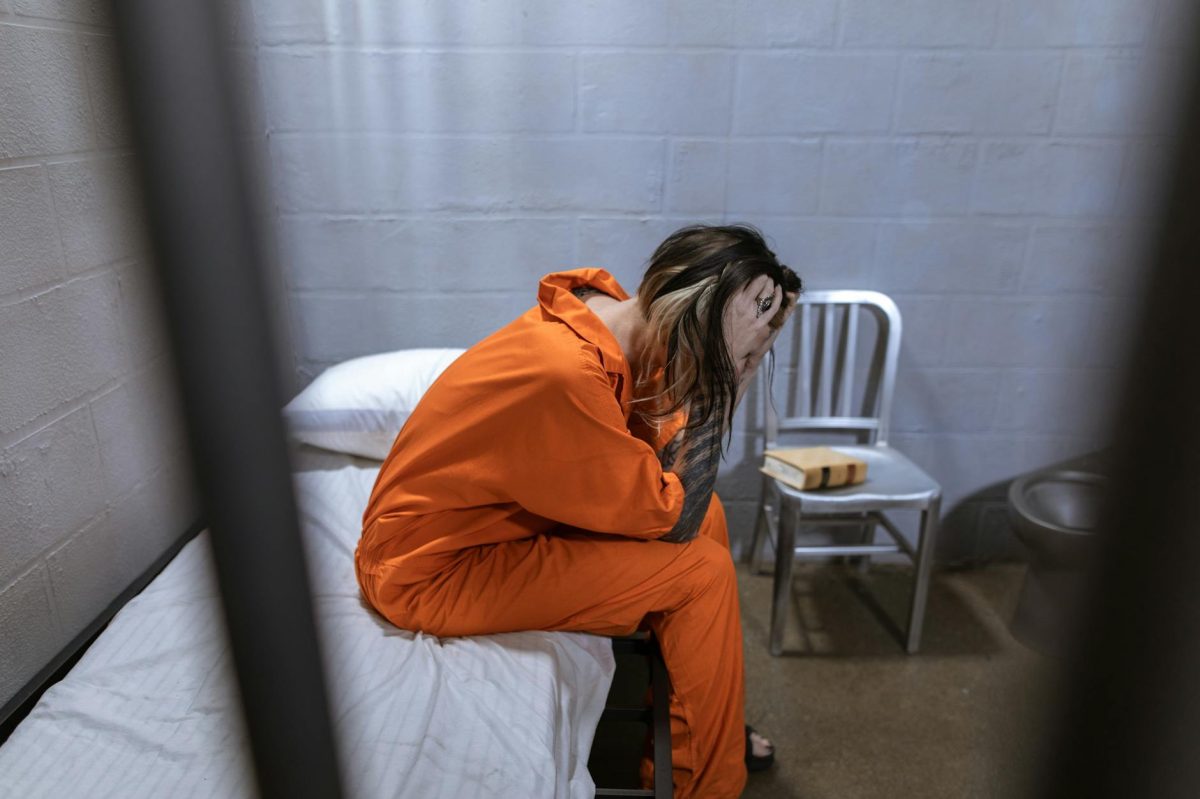
A Utah woman was handed a life sentence for the murder of her husband, who died after consuming a fentanyl-laced cocktail. This case highlights the devastating consequences of fentanyl-related crimes and the importance of addressing the opioid crisis. The woman's actions demonstrate the risks of mixing substances and the need for increased awareness about the dangers of fentanyl.
WHAT HAPPENED
According to an account to the Utah County Attorney's Office, 38-year-old Brittany Cluff was charged with aggravated murder for the death of her husband, 39-year-old Matthew Cluff. Matthew Cluff's death was ruled a homicide due to fentanyl poisoning. The incident occurred in April 2022, at the Cluff's residence in Spanish Fork, Utah. Brittany Cluff claimed she had no knowledge of the fentanyl, but investigators found evidence of her involvement in the crime. The prosecution presented evidence of Cluff's actions, including her attempts to conceal the evidence and mislead law enforcement. Cluff's defense team argued that she was not responsible for her husband's death, but the prosecution presented a compelling case, highlighting Cluff's reckless behavior and her knowledge of the fentanyl. On Wednesday, a judge ruled that Cluff would serve a life sentence without the possibility of parole. The sentence was handed down after a lengthy trial and consideration of the evidence presented by both sides. The case serves as a reminder of the dangers of fentanyl and the importance of addressing the opioid crisis in Utah and nationwide.
WHY IT MATTERS
The case of Brittany Cluff highlights the devastating consequences of fentanyl-related crimes and the importance of addressing the opioid crisis. Fentanyl is a highly potent and deadly substance that can be easily concealed in a variety of substances, including cocktails. The case demonstrates the risks of mixing substances and the need for increased awareness about the dangers of fentanyl. According to the Centers for Disease Control and Prevention (CDC), fentanyl overdoses have increased by 540% in Utah between 2013 and 2020. This alarming trend emphasizes the need for continued efforts to address the opioid crisis and prevent fentanyl-related crimes. The case also raises questions about the role of women in fentanyl-related crimes and the need for support and resources for those affected by the opioid crisis.


“The sentence was a just and fair outcome, taking into account the gravity of the crime and the impact it had on the victim's family and the community.”
WHAT WE DON'T KNOW YET
While the case of Brittany Cluff provides insight into the dangers of fentanyl, there are still many unanswered questions. The investigation into the source of the fentanyl and the extent of Cluff's involvement in the crime is ongoing. Additionally, the case highlights the need for more research on the role of women in fentanyl-related crimes and the impact of the opioid crisis on families and communities. Further investigation and analysis are necessary to fully understand the complexities of this case and to develop effective strategies for addressing the opioid crisis.
WHAT TO WATCH
In the coming days and weeks, the Cluff case will continue to receive attention and scrutiny. The Utah County Attorney's Office will continue to investigate the source of the fentanyl and the extent of Cluff's involvement in the crime. The Cluff family will also continue to navigate the aftermath of their loss and the impact of the sentence on their lives. As the case continues to unfold, it will be essential to monitor the developments and to consider the broader implications of the opioid crisis in Utah and nationwide.
Fentanyl is 50-100 times more potent than morphine, making it a highly deadly substance in even small quantities.
The case of Brittany Cluff serves as a reminder of the devastating consequences of fentanyl-related crimes and the importance of addressing the opioid crisis. As the investigation continues and the case unfolds, it will be essential to consider the broader implications of the opioid crisis and to develop effective strategies for preventing fentanyl-related crimes and supporting those affected by the crisis.