Prediction: Autonomous Vehicle Safety Is About to Get a Reality Check — Here Is Why

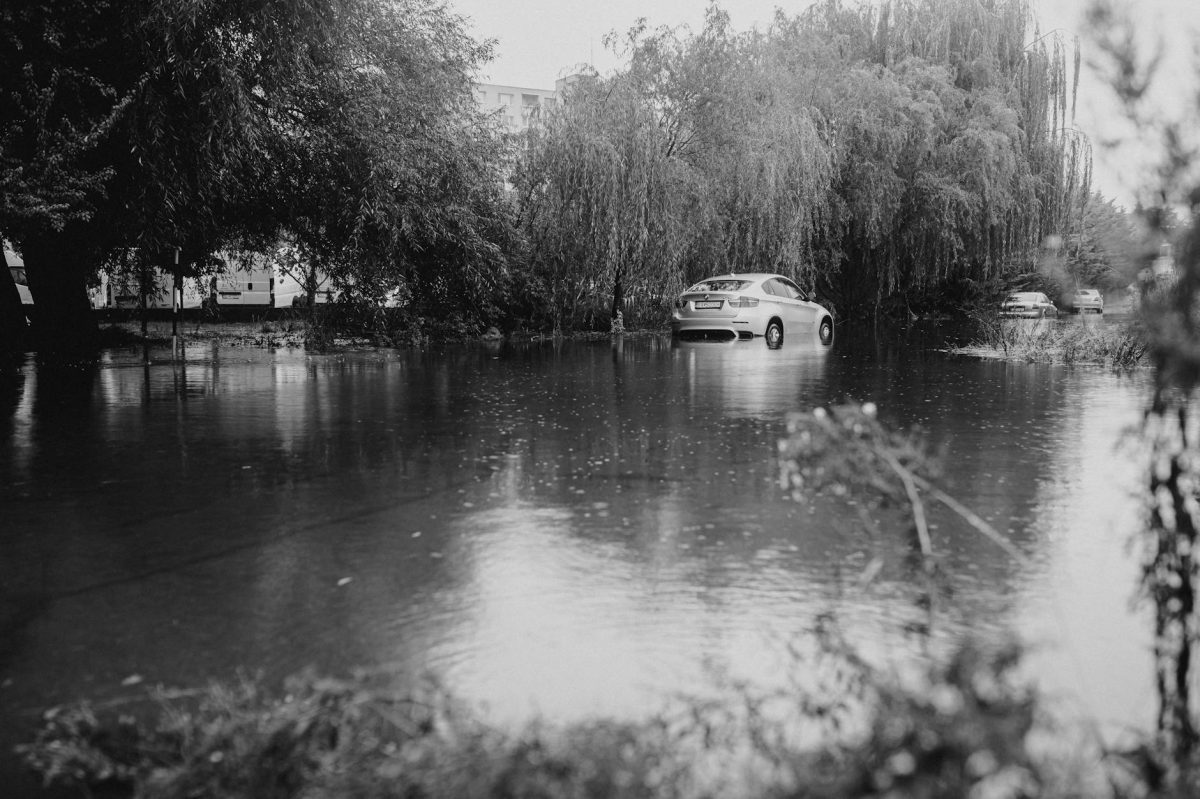
On 20 April, an empty Waymo car entered a flooded road in San Antonio, Texas, leading to a voluntary recall of thousands of robotaxis. This incident highlights the need for improved safety measures in autonomous vehicles, particularly in navigating flooded areas. The recall affects multiple cities, including Phoenix, San Francisco, and Kirkland, and showcases the challenges of ensuring public trust in autonomous transportation. The incident has sparked discussions about the need for more stringent safety protocols and better communication from manufacturers.
A Voluntary Recall After a San Antonio Incident
According to an account to Bloomberg, the empty Waymo car entered a flooded road on 20 April in San Antonio, Texas. This incident prompted the company to take proactive measures and issue a voluntary recall of thousands of robotaxis. The cars affected are part of Waymo's fleet in multiple cities, including Phoenix, San Francisco, and Kirkland. The exact number of affected vehicles is not disclosed, but Waymo assures that all of them will undergo a software update to prevent similar incidents in the future. The incident in San Antonio has raised concerns about the ability of autonomous vehicles to navigate flooded areas and the measures manufacturers take to ensure public safety.
Why It Matters
The Waymo incident highlights the broader pattern of safety concerns in the autonomous vehicle industry. As more cities and companies integrate autonomous transportation into their infrastructure, the need for stringent safety protocols becomes increasingly evident. The incident raises questions about the ability of autonomous vehicles to adapt to real-world scenarios, such as flooded roads. The lack of human intuition and experience in autonomous vehicles can lead to unexpected consequences. In this case, the empty Waymo car entered a flooded road without being able to assess the situation properly. The recall also underscores the importance of communication between manufacturers and the public. In the wake of the incident, Waymo has assured that all affected vehicles will undergo a software update and that the company is working to prevent similar incidents. However, this raises questions about the effectiveness of such measures and the need for more transparency from manufacturers.

What We Don't Know Yet
While the recall has provided some clarity on the incident, several questions remain unanswered. What specific measures will Waymo take to ensure that its vehicles can navigate flooded areas safely? Will the software update be enough to prevent similar incidents, or will more drastic measures be needed? What role will human intuition and experience play in the design of future autonomous vehicles? The answers to these questions will determine the effectiveness of the recall and the long-term implications for the autonomous vehicle industry. Additionally, the incident has sparked debates about the regulatory framework for autonomous vehicles. Will governments and regulatory bodies take a more proactive approach to ensuring public safety, or will they rely on industry self-regulation? The outcome will have far-reaching consequences for the industry and the public at large.
Key Takeaways
- Waymo issued a voluntary recall of thousands of robotaxis after an empty car entered a flooded road in San Antonio, Texas.
- The incident highlights the need for improved safety measures in autonomous vehicles, particularly in navigating flooded areas.
- The recall affects multiple cities, including Phoenix, San Francisco, and Kirkland, and showcases the challenges of ensuring public trust in autonomous transportation.
What to Watch
In the coming days and weeks, several key developments will unfold. The software update will be rolled out to all affected vehicles, and Waymo will likely provide more information on the measures it has taken to prevent similar incidents. Additionally, the National Highway Traffic Safety Administration (NHTSA) will likely investigate the incident and issue a report on its findings. The report will provide valuable insights into the incident and the measures that can be taken to prevent similar scenarios in the future. Furthermore, the incident will likely lead to a broader discussion about the safety protocols in place for autonomous vehicles and the need for more stringent regulations. As the industry continues to evolve, it is essential to monitor these developments and assess their impact on the autonomous vehicle industry as a whole.
According to a study by the University of Michigan, 75% of drivers believe that autonomous vehicles will be safer than human-driven cars, but only 45% of drivers trust autonomous vehicles to make decisions in emergency situations (Source: University of Michigan Transportation Research Institute).
The Waymo recall is a sobering reminder of the challenges faced by the autonomous vehicle industry. As the industry continues to evolve, it is essential to prioritize public safety and ensure that manufacturers take a proactive approach to addressing concerns. The recall has sparked a broader discussion about the need for more stringent safety protocols and better communication from manufacturers, and it will be interesting to see how the industry responds to these challenges in the coming days and weeks.