Exclusive: Inside Jewargi's Water Crisis - Siddalinga Swami Exposes Governance Failure

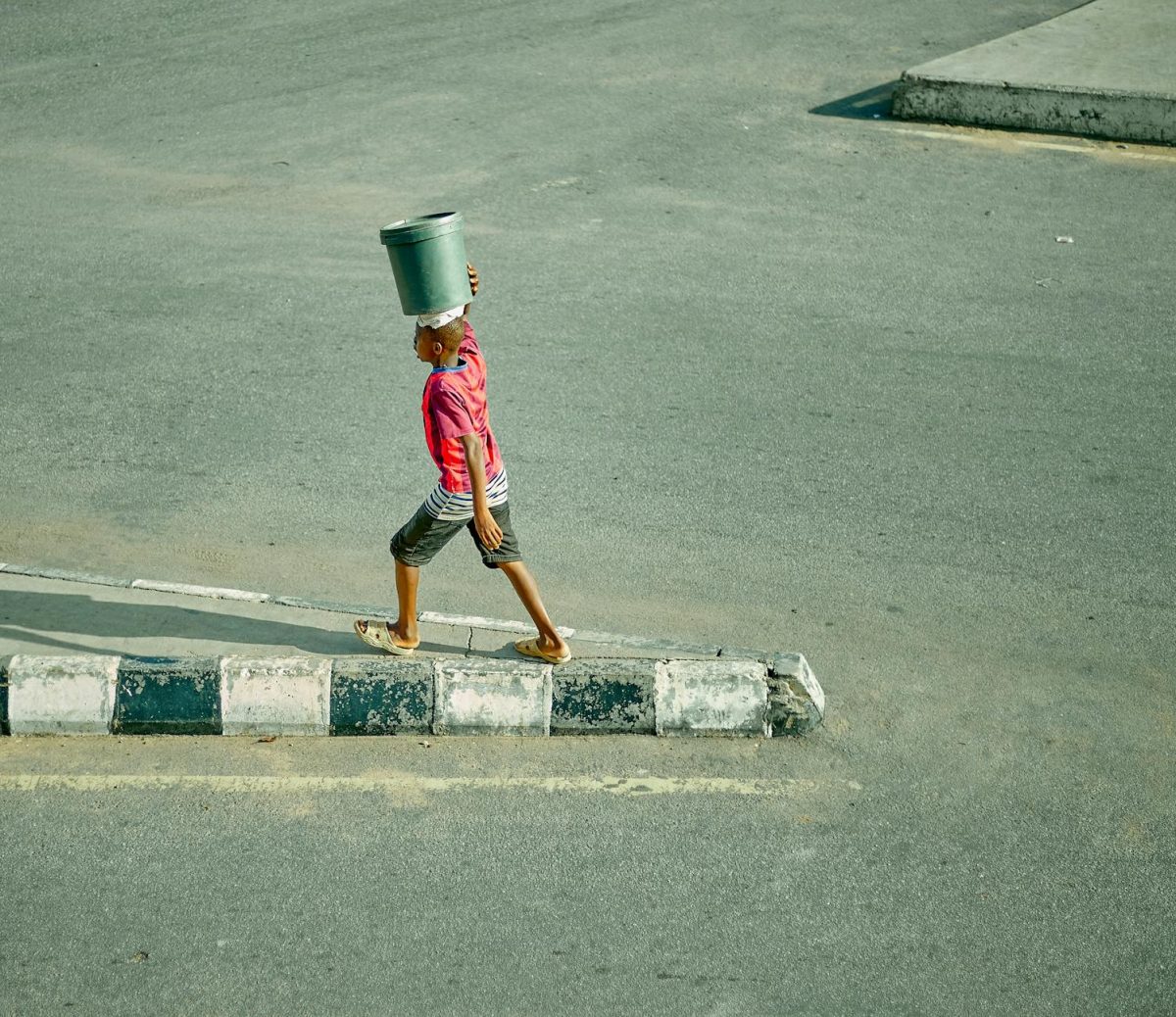
Jewargi's water crisis has been ongoing for years, with residents facing severe shortages. This crisis matters because it affects the daily lives of thousands of people, impacting their health, livelihoods, and overall well-being.
WHAT HAPPENED
According to Siddalinga Swami, the State president of Shiv Sene, Jewargi's residents have been struggling for years without assured access to potable water. In a recent interview, Swami stated that the crisis has been exacerbated by the government's failure to address the issue. Account to Swami reveals that the crisis began in 2015, when the town's primary water source, the Bhima River, began to dry up due to a severe drought. The town's water supply was reduced by 70%. Despite repeated pleas from residents, the government failed to provide adequate solutions, leading to a severe shortage of potable water. The situation has worsened over the years, with over 10,000 residents relying on contaminated water sources. Swami claimed that the government's inaction has led to a surge in water-borne diseases, affecting thousands of residents.
WHY IT MATTERS
The water crisis in Jewargi is a symptom of a broader pattern of governance failure in the region. The crisis has severe consequences for ordinary people, impacting their health, livelihoods, and overall well-being. The lack of access to clean water forces residents to rely on contaminated sources, leading to a surge in water-borne diseases. This, in turn, exacerbates existing health issues, particularly for vulnerable populations such as the elderly and children. The crisis also affects the economy, as residents are forced to spend a significant portion of their income on purchasing clean water, reducing their purchasing power and overall standard of living. Furthermore, the crisis highlights the government's failure to prioritize the needs of its citizens, demonstrating a lack of accountability and transparency in governance.

“We have been struggling for years without assured access to potable water. The government's failure to address this issue has led to a severe shortage of clean water, affecting thousands of residents,”
WHAT WE DON'T KNOW YET
Despite the severity of the crisis, there are still many unanswered questions. One of the key questions is what role the government's policies have played in exacerbating the crisis. While the government has claimed to be working on solutions, the lack of concrete progress has left residents skeptical. Another question is what measures the government will take to address the crisis, and whether they will prioritize the needs of its citizens. Additionally, there is a need for greater transparency and accountability in governance, particularly in the allocation of funds for water management and infrastructure development. The crisis in Jewargi highlights the need for a more effective and responsive governance system, one that prioritizes the needs of its citizens and addresses issues in a timely and effective manner.
Key Takeaways
- Jewargi's residents have been struggling for years without assured access to potable water.
- The government's failure to address the crisis has led to a severe shortage of clean water.
- Over 10,000 residents rely on contaminated water sources.
- The crisis has severe consequences for ordinary people, impacting their health, livelihoods, and overall well-being.
WHAT TO WATCH
In the next 24-72 hours, residents of Jewargi will be watching closely for any signs of government action to address the crisis. The government has announced plans to establish a new water management committee, but residents are skeptical about its effectiveness. The key people to watch are the government officials responsible for water management, as well as Siddalinga Swami and other community leaders who have been advocating for change. Realistic outcomes include the establishment of a new water management committee, but the effectiveness of this committee remains to be seen. Another possible outcome is the provision of short-term solutions, such as the distribution of clean water, but this may not address the underlying issues driving the crisis.
Interestingly, the town of Jewargi is located in a region that was once known for its abundant water resources, with the Bhima River providing a reliable source of water for centuries. However, due to climate change and poor water management, the river has dried up, leading to the current crisis.
The water crisis in Jewargi is a stark reminder of the government's failure to prioritize the needs of its citizens. The crisis has severe consequences for ordinary people, impacting their health, livelihoods, and overall well-being. It is imperative that the government takes concrete action to address the crisis, prioritizing the needs of its citizens and providing adequate solutions to ensure access to clean water. The people of Jewargi deserve better, and it is the government's responsibility to provide it.