Ukraine Seeks Israeli Intervention in Grain Vessel Dispute with Russia

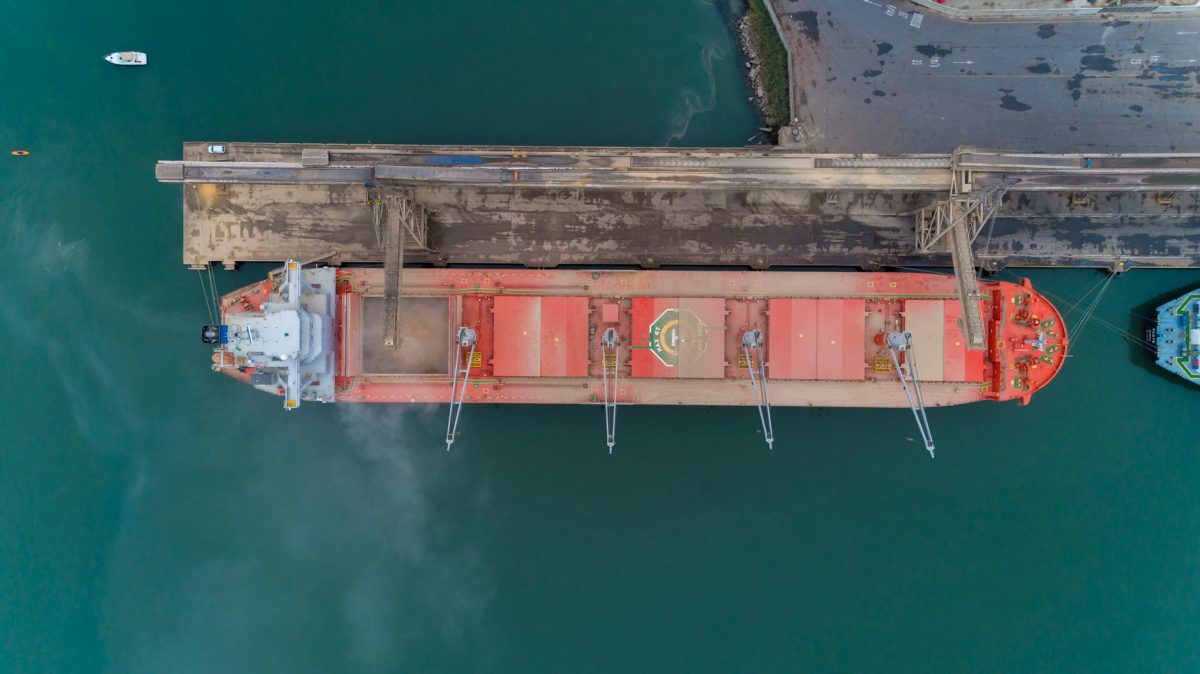
Ukraine Seeks Israeli Intervention in Grain Vessel Dispute with Russia
Kyiv accuses Moscow of looting grain from occupied territories, sparking diplomatic tensions between the two nations
 By 🔗 Original source
Ukraine has asked Israel to seize a vessel it claims is carrying grain stolen from Russian-occupied territories, escalating a diplomatic spat between the two nations. The move has significant implications for global food security, as Ukraine and Russia are among the world's largest grain exporters. The accusation has sparked concerns about the diversion of grain meant for global markets, potentially exacerbating food shortages in vulnerable regions.
Ukraine Accuses Russia of Grain Theft, Requests Israeli Intervention
According to an account to the BBC, Ukrainian authorities claim that the vessel, the 'Rojen', is carrying grain stolen from the Russian-occupied regions of Kherson and Zaporizhzhia. The grain is allegedly destined for Ukraine, but was instead diverted to the vessel, which has been tracked sailing in international waters. The Ukrainian ambassador to Israel, Yevgen Korniychuk, wrote to the Israeli government, requesting intervention to seize the vessel and its cargo. The letter, seen by the BBC, states that the grain was 'illegally extracted' from Ukrainian territory and that its seizure would help to 'stop the diversion of Ukrainian grain to other destinations'. Over 100,000 tons of grain are estimated to have been stolen from Ukraine since the conflict began.nnThe 'Rojen' is a Panama-registered vessel, which has been tracked sailing in international waters. The Ukrainian ambassador's letter requests that Israel use its naval capabilities to intercept the vessel and inspect its cargo. The Israeli government has yet to respond to the request, but has been involved in mediating the conflict between Ukraine and Russia in the past. The move is seen as a significant escalation of tensions between the two nations, which have been at odds over a range of issues, including Ukraine's bid to join NATO and Russia's annexation of Crimea.
Global Implications of Grain Diversion
The diversion of grain from Ukraine has significant implications for global food security. Ukraine and Russia are among the world's largest grain exporters, and the conflict has already had a major impact on global food markets. The United Nations Food and Agriculture Organization (FAO) has warned that the conflict could lead to a major food shortage, particularly in vulnerable regions. The FAO estimates that up to 20 million people could be affected by the conflict, with many facing severe food shortages. The diversion of grain from Ukraine could exacerbate these shortages, potentially leading to higher prices and reduced access to food for many people. The Ukrainian government has accused Russia of using its military power to divert grain from Ukraine, and has called on the international community to take action to prevent this.

“We are deeply concerned about the diversion of Ukrainian grain to other destinations. This is a clear attempt by Russia to disrupt Ukraine's economy and undermine its sovereignty. We urge the international community to take action to prevent this and ensure that grain is allowed to reach those who need it most.”
What We Don't Know Yet
Despite the Ukrainian government's claims, there are still many unanswered questions about the situation. It is unclear whether the grain on board the 'Rojen' was indeed stolen from Ukraine, or whether it was simply diverted from its intended destination. The Israeli government has yet to respond to the Ukrainian ambassador's request, and it is unclear what action it will take. The Israeli government has a history of mediating conflicts in the region, but its response to this request remains uncertain. The situation is further complicated by the fact that the 'Rojen' is a Panama-registered vessel, which has raised questions about the jurisdiction of the vessel and its cargo. Ultimately, the situation will require a careful and nuanced approach, taking into account the complex web of international laws and regulations that govern the movement of goods and people.
Key Takeaways
- Ukraine accuses Russia of stealing grain from occupied territories
- Ukraine requests Israeli intervention to seize the 'Rojen' vessel and its cargo
- Over 100,000 tons of grain are estimated to have been stolen from Ukraine since the conflict began
- The diversion of grain has significant implications for global food security
- The situation is complex and will require careful monitoring in the coming days and weeks
What to Watch
In the coming days and weeks, several key developments will be worth watching. The Israeli government's response to the Ukrainian ambassador's request will be critical in determining the outcome of the situation. If Israel intervenes, it could potentially prevent the diversion of grain from Ukraine, but it could also escalate tensions between the two nations. The situation could also be influenced by the outcome of the upcoming NATO summit, where Ukraine's bid to join the alliance is expected to be discussed. Additionally, the situation could be affected by the ongoing negotiations between Ukraine and Russia, which have been ongoing for several months. The situation is complex and fluid, and will require careful monitoring in the coming days and weeks.
Interestingly, Ukraine's grain exports are so significant that the country is often referred to as the 'breadbasket of Europe', highlighting the critical role that the nation plays in feeding the continent.
The situation is a complex and challenging one, with significant implications for global food security. The Ukrainian government's claims are serious, but there are still many unanswered questions about the situation. Ultimately, the situation will require a careful and nuanced approach, taking into account the complex web of international laws and regulations that govern the movement of goods and people. The international community will be watching closely as this situation unfolds, and will be looking for a resolution that ensures the grain is allowed to reach those who need it most.