8 Key Facts About the Commerce Secy Lutnick Heated Clash with Lawmakers Over Trump's 2027 Budget Request

8 Key Facts About the Commerce Secy Lutnick Heated Clash with Lawmakers Over Trump's 2027 Budget Request
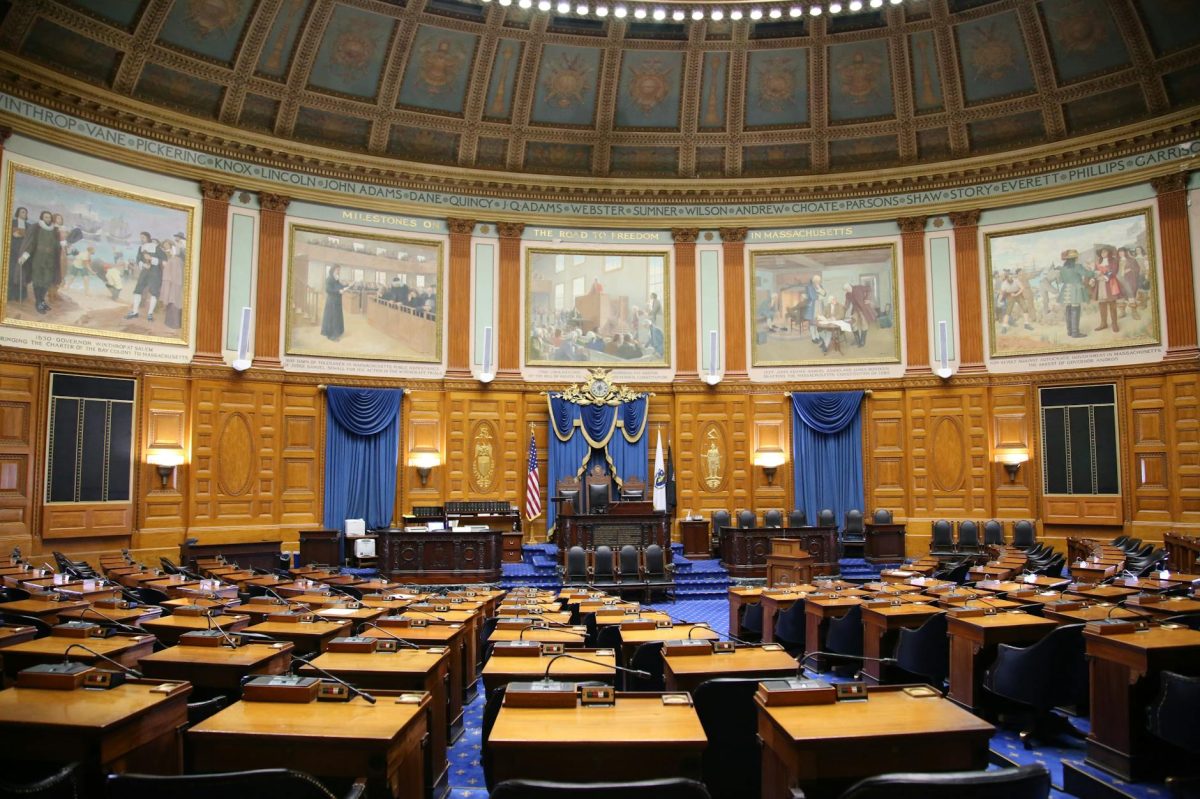
U.S. Commerce Secretary Howard Lutnick testifies before lawmakers, addressing funding priorities, economic strategy, and key policy issues at a House Appropriations Subcommittee hearing on the Department of Commerce budget.
 By 🔗 Original source
U.S. Commerce Secretary Howard Lutnick faced intense questioning from lawmakers during a House Appropriations Subcommittee hearing on the Department of Commerce budget, highlighting the contentious nature of Trump's 2027 budget request. The hearing centered on funding priorities, economic strategy, and key policy issues. This clash has significant implications for the U.S. economy and the future of various industries.
WHAT HAPPENED
Account to Bloomberg, the hearing was sparked by the Trump administration's request for a 12.5% increase in funding for the Department of Commerce, which would be the largest boost in over a decade. The proposed budget would allocate $10.5 billion to the department, with a focus on initiatives such as the U.S. Census Bureau and the National Institute of Standards and Technology. U.S. Representative Rosa DeLauro, a Democrat from Connecticut, expressed concerns over the budget's emphasis on the census, stating that it would prioritize the needs of corporations over those of the general public. In response, Secretary Lutnick argued that the census is crucial for informing policy decisions and promoting economic development. The hearing also touched on the proposed elimination of the Minority Business Development Agency (MBDA), which has been a source of controversy among lawmakers. According to sources, the agency's abolition would save the government $10 million annually. However, opponents argue that the MBDA has played a vital role in promoting economic growth and job creation among minority communities. Secretary Lutnick maintained that the agency's functions could be absorbed by other departments, such as the Small Business Administration (SBA). Despite these assurances, several lawmakers remained unconvinced, citing concerns over the potential impact on minority-owned businesses.
WHY IT MATTERS
The heated clash between Commerce Secretary Lutnick and lawmakers has far-reaching implications for various industries and the U.S. economy as a whole. If the Trump administration's budget request is approved, it could lead to significant changes in the way the government allocates funds for key initiatives. The proposed emphasis on the census and the potential elimination of the MBDA could have a profound impact on economic development and job creation. For example, the MBDA has been instrumental in providing support to minority-owned businesses, which have historically faced significant barriers to entry in the economy. If these businesses are no longer able to access the resources and funding they need, it could have a devastating impact on their ability to grow and thrive. Furthermore, the proposed budget's focus on the census raises questions about how the government will use this data to inform policy decisions. Will it prioritize the needs of corporations, or will it focus on promoting economic development and job creation for all Americans? The answers to these questions will have a lasting impact on the U.S. economy and the future of various industries.


“'The census is not just about counting people, it's about giving us the data we need to make informed decisions about economic development and policy.' - U.S. Commerce Secretary Howard Lutnick, in response to questioning from lawmakers during the House Appropriations Subcommittee hearing.”
WHAT WE DON'T KNOW YET
Despite the contentious hearing, several key questions remain unanswered. For instance, how will the government use the data from the census to inform policy decisions? Will the proposed elimination of the MBDA have a significant impact on minority-owned businesses, or can its functions be absorbed by other departments? Additionally, what are the potential consequences of the proposed budget's emphasis on the census? Will it lead to a more nuanced understanding of economic development and job creation, or will it perpetuate existing inequalities? The answers to these questions will require careful consideration and analysis in the coming weeks and months. The House Appropriations Committee will continue to review the budget request, and it is likely that further hearings will be held to address these and other concerns.
WHAT TO WATCH
In the coming days and weeks, several key developments will shape the debate over Trump's 2027 budget request. The House Appropriations Committee will continue to review the budget, and further hearings are likely to be held. Secretary Lutnick will likely face additional questioning from lawmakers, and it is possible that the proposed elimination of the MBDA will be revisited. Additionally, the Senate will also weigh in on the budget request, and it is likely that similar hearings will be held. The outcome of these hearings will have a significant impact on the future of the Department of Commerce and the industries it serves. Key lawmakers to watch in the coming days include House Appropriations Committee Chairwoman Rosa DeLauro and Senate Commerce Committee Chairman Maria Cantwell. Their actions and decisions will shape the debate over Trump's 2027 budget request and have far-reaching implications for the U.S. economy.
The U.S. Census Bureau is the second-oldest federal agency, after the U.S. Postal Service, and has been conducting the census since 1790.
The clash between Commerce Secretary Lutnick and lawmakers has shed light on the contentious nature of budget negotiations and the competing priorities and interests at play. As the debate over Trump's 2027 budget request continues, it will be essential to consider the potential consequences of the proposed budget's emphasis on the census and the potential elimination of the MBDA. By doing so, policymakers can make informed decisions that promote economic development and job creation for all Americans.