Lunar Catastrophe Looming: Experts Warn Artemis 2 Mission May End in Disaster

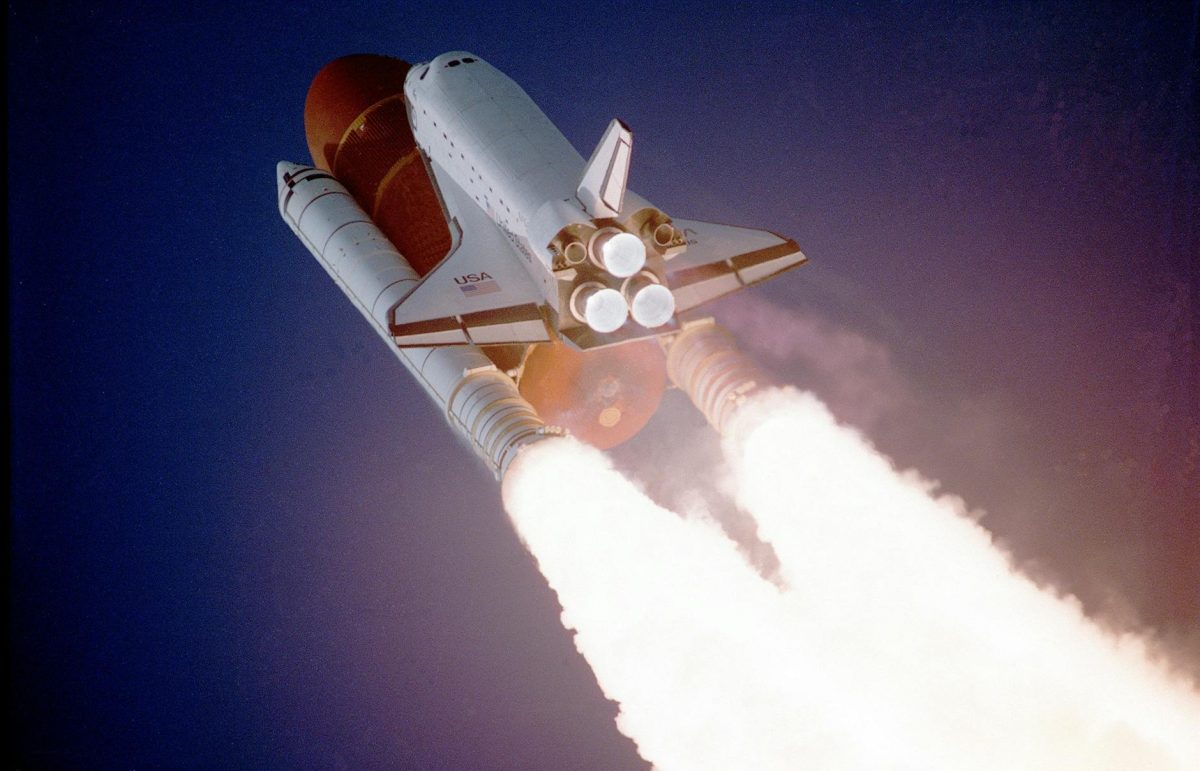
Lunar Catastrophe Looming: Experts Warn Artemis 2 Mission May End in Disaster
NASA's ambitious moon mission faces unprecedented risks and uncertainties
In just a few months, NASA's Artemis 2 mission is set to send the first humans to the moon since Apollo 17 in 1972. But despite the excitement and promise of this historic achievement, a growing number of experts are sounding the alarm on the mission's viability, warning that it may end in disaster due to a perfect storm of technical, logistical, and financial challenges.
A Recipe for Disaster: Technical Issues and Logistical Concerns
At the heart of the problem is the Space Launch System (SLS) rocket, a behemoth of a vehicle that is still in its testing phase. Despite its impressive size and capabilities, the SLS has been plagued by delays, cost overruns, and a spate of technical issues that have raised serious questions about its readiness for the mission. Meanwhile, the Orion spacecraft, which will carry the astronauts to the moon, has its own set of problems, including a malfunctioning heat shield and concerns about its ability to withstand the intense radiation and extreme temperatures of space. Add to this the complexities of launching and navigating through lunar orbit, and it's a wonder that anyone thinks this mission will succeed.
The Financial Cost of Failure: A Multi-Billion Dollar Gamble
The Artemis 2 mission is not just a technological challenge, but also a massive financial undertaking. With an estimated price tag of over $20 billion, this mission represents a significant gamble for NASA and the American taxpayer. If the mission fails, the consequences will be severe, not just for NASA's reputation but also for the country's space program as a whole. The financial fallout could be catastrophic, with billions of dollars in losses and a significant blow to the nation's confidence in its space agency. And yet, despite these risks, NASA is pressing ahead with the mission, seemingly undeterred by the warnings of experts and the concerns of taxpayers.
The Human Factor: Why Astronauts Are Worried
But it's not just the technical and financial challenges that are causing concern – it's also the human factor. Astronauts who have spoken out about the mission have expressed their own fears and doubts, citing the lack of preparedness and training for the mission. They worry about the risks of spacewalks, the limited escape options in case of an emergency, and the psychological strain of being in space for extended periods. With the mission just months away, these concerns are growing by the day, and it's clear that the astronauts are not alone in their worries.
The Bottom Line
As the Artemis 2 mission hurtles towards its launch date, the stakes are higher than ever. With technical issues, logistical concerns, and financial risks all combining to create a perfect storm of disaster, it's hard to see how this mission can possibly succeed. Will NASA's gamble pay off, or will the Artemis 2 mission go down in history as one of the greatest failures of all time?
KEY TAKEAWAY
- The Artemis 2 mission may be one of the most catastrophic failures in NASA's history, with a perfect storm of technical, logistical, and financial challenges threatening to derail it.