🔍
HomeTrendingThe Uncharted Road Ahead: 5 Key Challenges Ethiopia Faces as AU Peace and Security Council Chair
Trending

The Uncharted Road Ahead: 5 Key Challenges Ethiopia Faces as AU Peace and Security Council Chair
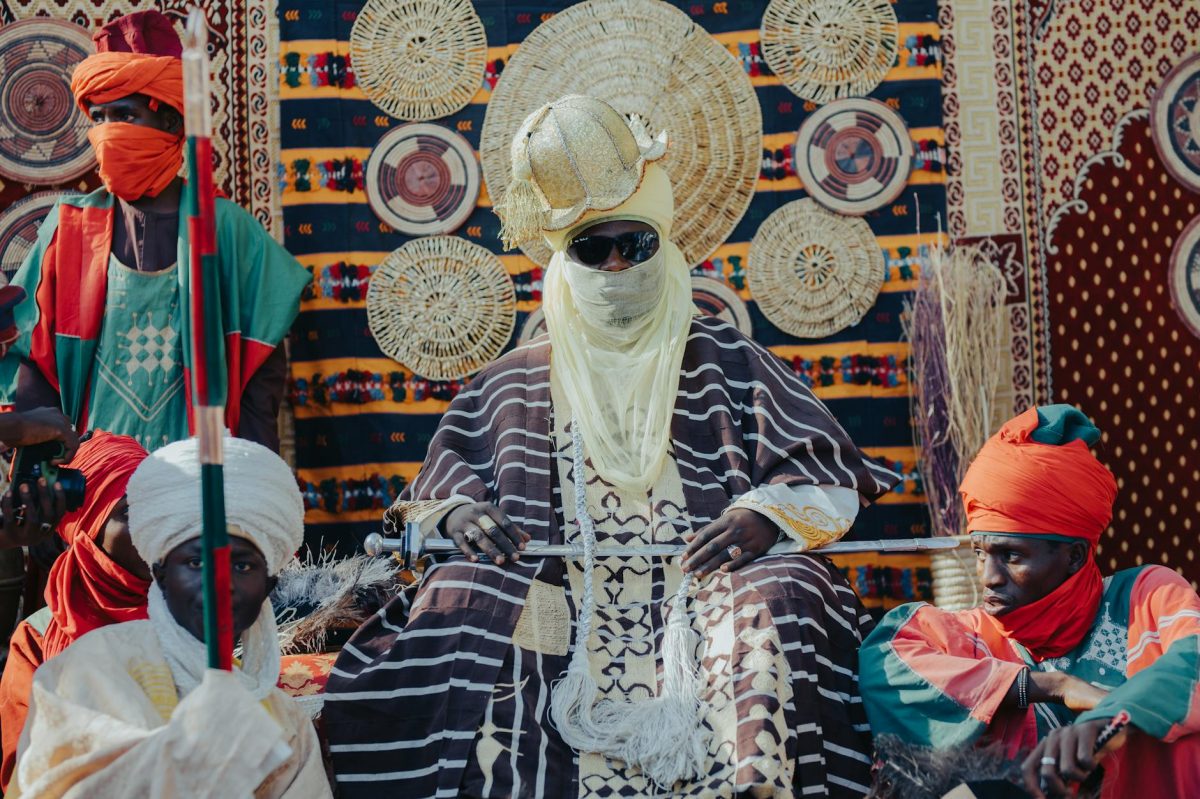
As Ethiopia assumes the helm of the African Union Peace and Security Council, questions linger about its ability to navigate complex regional dynamics

Marcus WebbBy Marcus WebbApr 4, 2026 • 12:00 AM UTC10 min read
🔥 Buzz3.9k
The Uncharted Road Ahead: 5 Key Challenges Ethiopia Faces as AU Peace and Security Council Chair
🔗 Original source

Ethiopia's ascension to the Chairship of the African Union Peace and Security Council for April 2026 marks a pivotal moment in the continent's diplomatic landscape. Following its reintegration into the Council in April 2025, Addis Ababa's leadership will be put to the test as it navigates a complex web of regional relationships, security threats, and humanitarian crises. In this article, we delve into the uncharted road ahead for Ethiopia's AU Peace and Security Council Chairship and the challenges that lie in wait.

A Delicate Balance: Ethiopia's Relationship with Neighboring Countries

One of the most pressing challenges facing Ethiopia as AU Peace and Security Council Chair is its relationship with neighboring countries, particularly Eritrea and Somalia. Ethiopia's 1998-2000 war with Eritrea left a lasting scar on the region, and while the two nations have made significant progress in recent years, tensions still simmer beneath the surface. Meanwhile, in Somalia, Ethiopia's involvement in the country's security sector has been a source of controversy, with some accusing Addis Ababa of seeking to exert undue influence over Mogadishu's affairs. As Chair of the AU Peace and Security Council, Ethiopia will need to tread a delicate balance between its own national interests and the needs of its neighbors, all while maintaining the trust of the international community.

The Horn of Africa's Humanitarian Crisis: A Growing Concern

The Horn of Africa, which includes Ethiopia, Eritrea, and Somalia, is facing one of the most severe humanitarian crises in recent history. Drought, conflict, and displacement have pushed millions of people to the brink of disaster, with the World Food Programme warning of a potential famine in the region. As AU Peace and Security Council Chair, Ethiopia will be responsible for coordinating the international response to this crisis, which will require significant diplomatic and logistical efforts. Moreover, Ethiopia's own government will need to address the root causes of the crisis, including poverty, inequality, and climate change, in order to prevent further suffering.

🔥 KEEP READING
Trending

The Hidden Cost of Homeownership: Why £196,930 is Not the Whole Story

Trending

Can Higher Vitamin D Levels in Middle Age REVEAL a Secret to Beating A

The challenges we face are not just regional, but also global. We must work together to address the root causes of conflict and humanitarian crises, and to build a more peaceful and prosperous Africa for all.

The Role of the African Union in Promoting Regional Security

The African Union's Peace and Security Council plays a critical role in promoting regional security and stability, particularly in the face of emerging threats such as terrorism and cyber attacks. As Chair of the Council, Ethiopia will be responsible for setting the agenda and driving the work of the organization, which will require close collaboration with other member states and regional organizations. Moreover, Ethiopia will need to navigate the complex web of international relationships, including those with traditional powers, emerging economies, and non-state actors, in order to build a more effective and sustainable security architecture for the continent.

The Opportunity for Reconciliation and Reconstruction

Ethiopia's AU Peace and Security Council Chairship presents a unique opportunity for reconciliation and reconstruction on the continent. As a nation that has experienced its own share of conflict and violence, Ethiopia is well-positioned to drive dialogue and diplomacy on some of the most pressing security challenges facing Africa today. Moreover, by working closely with other member states and regional organizations, Ethiopia can help to build a more resilient and inclusive security architecture that prioritizes the protection of civilians and the promotion of human rights.

💡 Did You Know?Did you know that the African Union's Peace and Security Council is made up of 15 member states, which are chosen for a two-year term based on regional representation?

As Ethiopia assumes the Chairship of the African Union Peace and Security Council, it faces a daunting set of challenges and opportunities. By navigating its relationships with neighboring countries, addressing the humanitarian crisis in the Horn of Africa, and working closely with other member states and regional organizations, Ethiopia can help to build a more resilient and inclusive security architecture for the continent. As we look to the future, one thing is clear: Ethiopia's AU Peace and Security Council Chairship will be a defining moment in the continent's diplomatic landscape.

YOU MIGHT ALSO LIKE
Trending

The Hidden Cost of Homeownership: Why £196,930 is Not the Whole Story

2026-04-04
Trending

Can Higher Vitamin D Levels in Middle Age REVEAL a Secret to Beating Alzheimer's

2026-04-03
World

The Hidden Horror: WHO Exposes Iran's Healthcare System Under Siege

2026-04-04
BROWSE CATEGORIES
📈Trending😂Funny😱Shocking🌍World💀Fails
MORE FROM THE HIVE
World

Walking Blind: How Obesity Skews Reality, The Vicious Circle Exposed

2026-04-04
World

The Alzheimer's Shield: How Higher Vitamin D Levels Can Protect Against the Dise

2026-04-03
Shocking

How Live Nation's Empire Was Exposed to the Cold, Hard Reality of Justice

2026-04-03
World

How Golf's Unlikely Crossover is Changing the Game

2026-04-03
Share:
Ad