Somalia's Desperate Quest for Food Security: Can Sustainable Agriculture Save the Day?

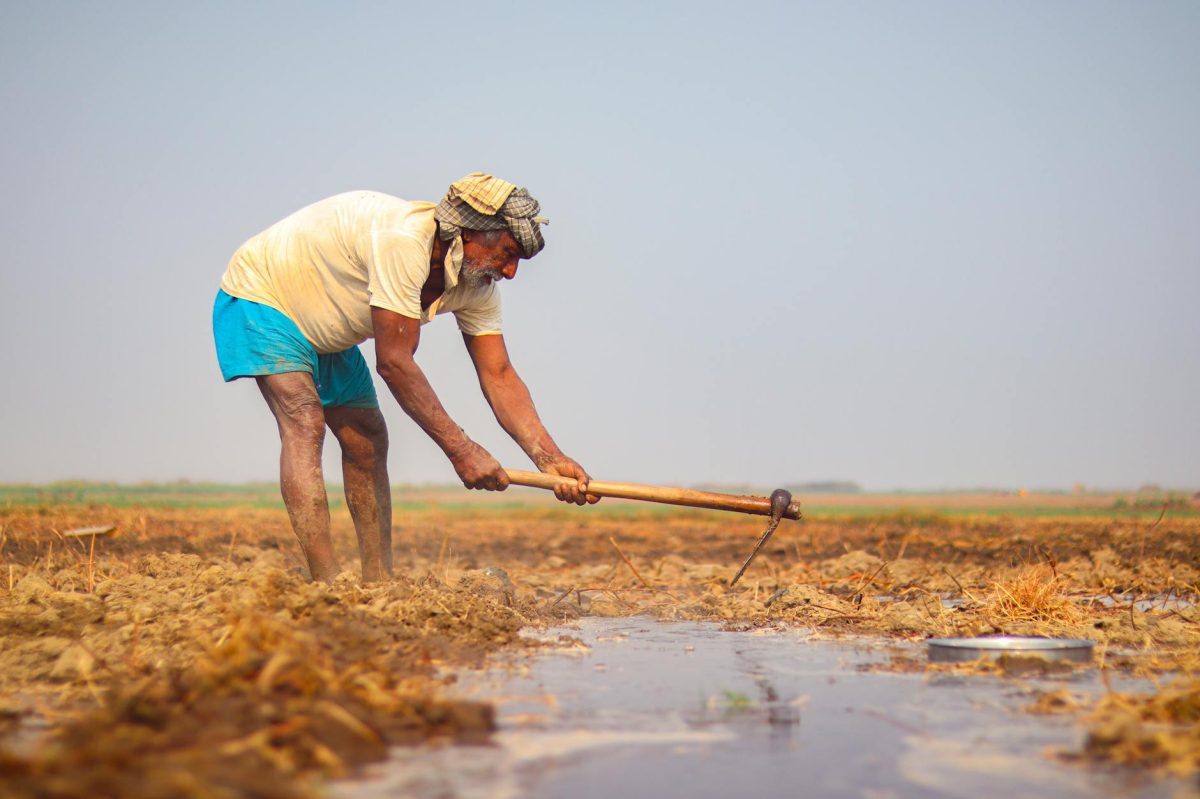
Somalia's Desperate Quest for Food Security: Can Sustainable Agriculture Save the Day?
A Look into the Country's Struggling Agricultural Sector and the Innovative Solutions Being Implemented
As Somalia grapples with its worst drought in decades, the nation's food crisis has reached a boiling point. With over 3.5 million people facing severe hunger, the international community is rallying behind the country's desperate quest for sustainable agriculture. But will these innovative solutions be enough to save Somalia's food security?
The Devastating Reality of Somalia's Food Crisis
Somalia is on the brink of a full-blown humanitarian disaster. The country's agricultural sector has been ravaged by drought, conflict, and climate change, leaving millions without access to nutritious food. The situation is dire, with reports indicating that over 1.4 million children are severely malnourished. The numbers are staggering, and the international community is sounding the alarm. With the situation escalating by the day, it's clear that something needs to be done, and fast.
A Glimmer of Hope: Somalia's Quest for Sustainable Agriculture
In the face of overwhelming adversity, Somalia is turning to innovative solutions to reboot its agricultural sector. The government, with the support of international partners, is implementing initiatives aimed at promoting sustainable agriculture, improving irrigation systems, and enhancing crop resilience. These efforts focus on introducing drought-tolerant crops, implementing precision farming techniques, and empowering local communities to take ownership of their agricultural development. While progress is slow, the results are promising, and experts believe that sustainable agriculture can be the key to unlocking Somalia's food security.
The Road to Recovery: Challenges and Opportunities
While Somalia's progress in sustainable agriculture is promising, the road to recovery will be long and arduous. One of the biggest challenges lies in scaling up these initiatives to reach the millions affected by the crisis. Additionally, the need for investment in agricultural infrastructure, technology, and capacity-building programs is pressing. However, with the right support and resources, experts believe that Somalia can overcome these hurdles and emerge stronger, with a more resilient agricultural sector.
The Bottom Line
As Somalia's food crisis continues to unfold, the international community must remain vigilant and committed to supporting the country's efforts to adopt sustainable agriculture. With innovative solutions, investment, and collective action, there is hope for a brighter future for Somalia's farmers and communities. The clock is ticking, but with determination and resilience, Somalia can overcome its food crisis and secure a more stable and prosperous future.
KEY TAKEAWAY
- Somalia's quest for sustainable agriculture offers a glimmer of hope in the face of its devastating food crisis, but the road to recovery will be long and challenging.