Nigeria's Happiness Crisis: The Unspoken Truth Behind Africa's Most Promising Economy

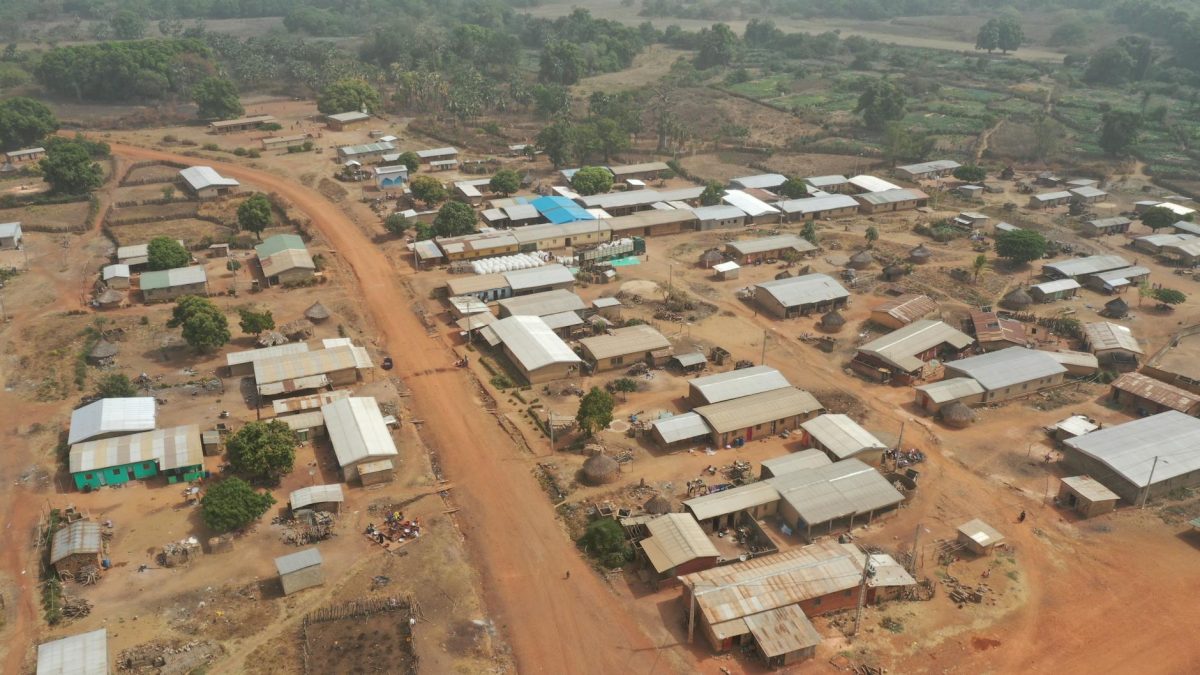
Nigeria's Happiness Crisis: The Unspoken Truth Behind Africa's Most Promising Economy
As the West Africa nation struggles to maintain its economic growth, a silent decline in global happiness metrics threatens to upend its progress
Nigeria was once touted as a beacon of hope for African prosperity, with its booming economy and rich cultural heritage. But beneath the surface, a disturbing trend is unfolding: a steady decline in global happiness metrics that's leaving experts baffled and the international community eerily silent.
The Happiness Index: A Grim Reality Check
According to the World Happiness Report, Nigeria's ranking has plummeted from 91st in 2015 to 115th in 2022, a staggering 24-spot drop in just seven years. This decline is not just a statistical anomaly; it reflects a deeper societal crisis that's been festering beneath the surface. From rising poverty and inequality to environmental degradation and social unrest, the signs are all too clear: Nigeria's economic growth is not translating to genuine happiness for its citizens.
The Elephant in the Room: Why is Nigeria's Happiness Crisis Being Ignored?
So, why is the international community turning a blind eye to Nigeria's happiness crisis? One reason is that economic growth is often prioritized over social welfare, with the assumption that prosperity will naturally lead to happiness. But this simplistic view ignores the complexities of human well-being, which encompasses much more than just economic stability. Additionally, the fact that Nigeria's happiness decline is not being widely reported may be due to a lack of media attention or a general disinterest in African affairs. Whatever the reason, one thing is clear: the West African nation's happiness crisis demands urgent attention and action.
A Call to Action: Revitalizing Nigeria's Happiness Agenda
To reverse Nigeria's happiness decline, the government must prioritize social welfare and invest in programs that promote education, healthcare, and community development. Additionally, the international community must take a more active role in supporting Nigeria's happiness agenda, providing technical assistance and financial resources to help the nation address its pressing social challenges. By working together, we can help Nigeria reclaim its status as a beacon of hope for African prosperity and ensure that its economic growth translates to genuine happiness for its citizens.
The Bottom Line
Nigeria's happiness crisis is a wake-up call for the international community to rethink its priorities and take a more holistic approach to development. By ignoring this crisis, we risk undermining the very progress we're trying to achieve in Africa. It's time to act – and act fast – to revitalize Nigeria's happiness agenda and ensure a brighter future for its citizens.
KEY TAKEAWAY
- Nigeria's decline in global happiness metrics is a stark reminder that economic growth is not a guarantee of happiness, and that social welfare should be prioritized in development efforts.