Breaking: AI Slander Pages Just Exposed the Dark Side of Social Media
The alarming trend of students using AI to mock their teachers on TikTok and Instagram has sparked a heated debate about online harassment and the consequences of cyberbullying

In a disturbing turn of events, teenagers are harnessing the power of artificial intelligence to create scathing 'slander pages' that ridicule and demean their school faculty, drawing parallels with infamous figures like Jeffrey Epstein and Benjamin Netanyahu. These viral student-run accounts on TikTok and Instagram have ignited a firestorm of controversy, raising essential questions about the limits of free speech, the impact of social media on mental health, and the responsibility of tech giants to curb online harassment. As the situation continues to unfold, one thing is certain: the rise of AI-fueled slander pages has changed the landscape of online discourse, and it's imperative that we take a closer look at the implications of this phenomenon.
The Rise of AI-Powered Slander Pages
The proliferation of AI-powered slander pages has been fueled by the increasing accessibility of AI tools and the anonymity of social media platforms. Students, often hiding behind pseudonyms or anonymous accounts, are using AI algorithms to generate memes, jokes, and other forms of content that mock and belittle their teachers. These pages often attract a large following, with many students finding humor and entertainment in the ridiculing of their educators. However, the consequences of this trend are far more sinister, as teachers are being subjected to relentless harassment, bullying, and character assassination. The use of AI to create and disseminate this content has made it increasingly difficult for educators to defend themselves, as the sheer volume and velocity of the attacks can be overwhelming.
The Human Cost of Online Harassment
The impact of AI-fueled slander pages on teachers and school staff cannot be overstated. Many educators have reported feeling humiliated, demoralized, and even fearful for their safety as a result of being targeted by these online attacks. The constant barrage of negative and hurtful content can lead to anxiety, depression, and even PTSD, making it challenging for teachers to maintain a positive and supportive learning environment. Furthermore, the fact that these attacks are often anonymous and facilitated by AI algorithms can make it difficult for educators to seek justice or recourse, leaving them feeling powerless and vulnerable. As one teacher noted, 'It's like being under siege, with no way to defend yourself or fight back.'
'The rise of AI-fueled slander pages has created a culture of fear and intimidation in our schools, where teachers are reluctant to speak out or assert themselves for fear of being targeted and harassed online.' - Dr. Rachel Klein, Education Expert
The Role of Tech Giants in Curbing Online Harassment
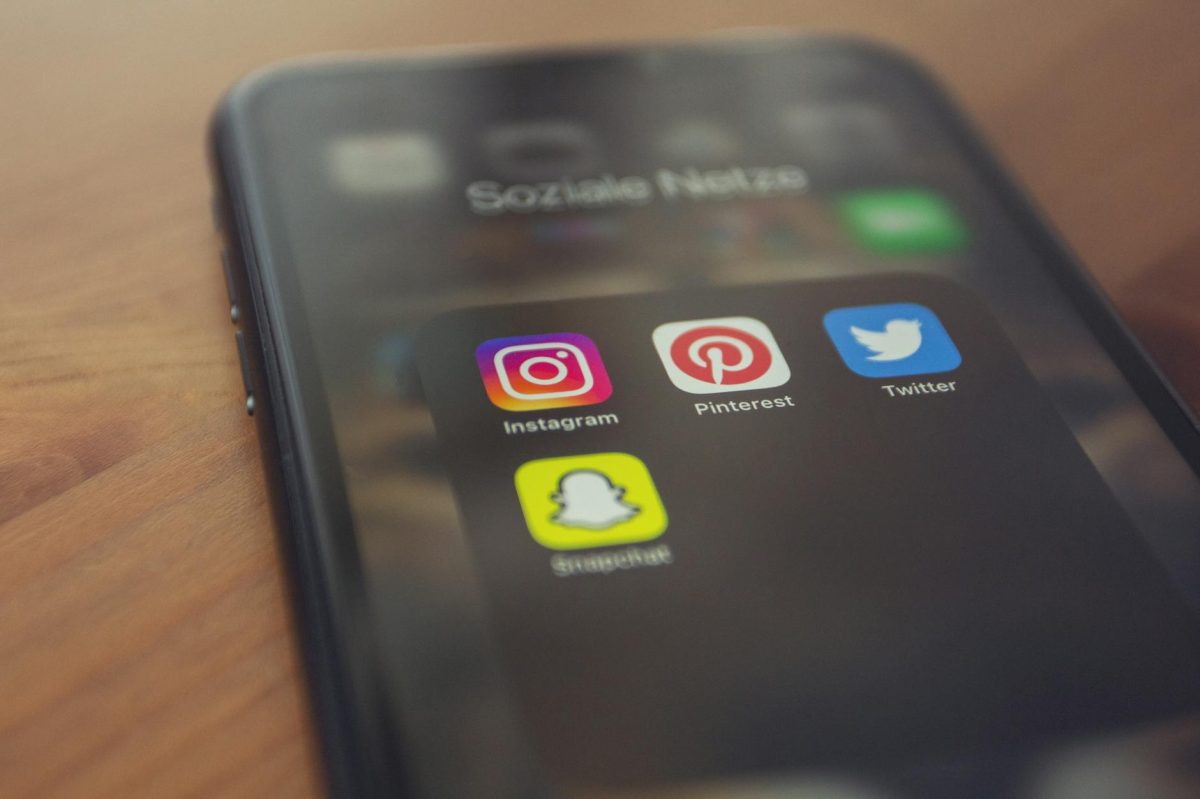
As the phenomenon of AI-fueled slander pages continues to spread, there are growing calls for tech giants like TikTok and Instagram to take responsibility for curbing online harassment and protecting the mental health and well-being of their users. While these platforms have implemented various measures to address cyberbullying and online abuse, many argue that more needs to be done to prevent the spread of harmful and defamatory content. This includes investing in more advanced AI-powered moderation tools, increasing transparency and accountability, and providing greater support and resources for users who are targeted by online harassment. As one expert noted, 'The tech giants have a moral obligation to protect their users and prevent the spread of hate and harassment on their platforms.'
📌 Key Takeaways
- The rise of AI-fueled slander pages has sparked a heated debate about online harassment and cyberbullying
- Tech giants have a moral obligation to protect their users and prevent the spread of hate and harassment on their platforms
- Education, awareness, and action are essential in addressing the harm caused by AI-fueled slander pages
- The impact of online harassment on mental health and well-being cannot be overstated
- Students, teachers, and parents must work together to promote responsible social media use and prevent the spread of harmful content
The Way Forward: Education, Awareness, and Action
So what can be done to address the rise of AI-fueled slander pages and the harm they cause? Firstly, it's essential that we educate students, teachers, and parents about the consequences of online harassment and the importance of responsible social media use. This includes promoting empathy, kindness, and respect online, as well as teaching students about the potential consequences of their actions. Secondly, we need to raise awareness about the impact of AI-fueled slander pages on mental health and well-being, and provide support and resources for those who are targeted by these attacks. Finally, we must take action to hold tech giants accountable for curbing online harassment and protecting their users, and work towards creating a safer, more supportive online environment for everyone.
The rise of AI-fueled slander pages has exposed the dark side of social media, highlighting the need for greater awareness, education, and action to prevent the spread of online harassment and cyberbullying. As we move forward, it's essential that we prioritize the well-being and safety of all individuals online, and work towards creating a more supportive and respectful online environment. By promoting empathy, kindness, and responsibility, we can build a better future for everyone, both online and offline.