How To Avoid Falling Victim to Japan's Solo Wedding Scams in 5 Steps
Warning signs you need to spot before getting swept up in this cultural phenomenon
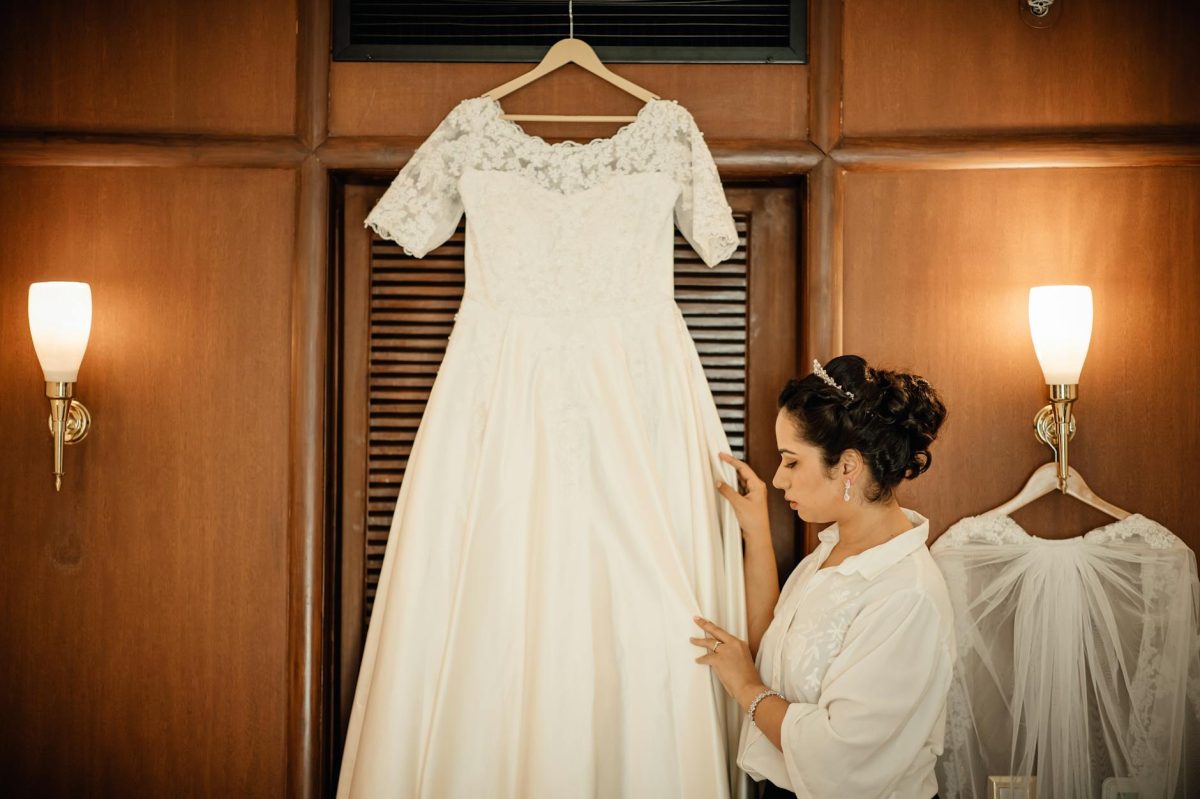
Step 1: Research the Red Flags
Start by digging up information on the wedding venue, vendor, and organizer. Look for reviews, testimonials, and a clear understanding of their refund and cancellation policies. If something seems too good (or cheap) to be true, trust your instincts and proceed with caution.
Step 2: Verify the Wedding Planner's Credentials
Don't be afraid to ask for proof of the wedding planner's qualifications and experience. Check if they're registered with local authorities and have a physical office or contact information. Be wary of planners who seem evasive or lack transparency.
Step 3: Watch Out for Unusually Low Prices
Japanese solo weddings often promise a luxurious experience at an unbeatable price. However, be cautious of packages that seem too cheap or all-inclusive. Remember, you get what you pay for – and in this case, the price might be your personal data or financial loss.
Step 4: Be Cautious of Social Media Hype
With the rise of social media, it's easy to get swept up in the excitement of a solo wedding. However, don't believe everything you see online. Research the wedding's legitimacy and check for reviews from multiple sources before committing to anything.
Step 5: Report Suspicious Activity
If you suspect something is amiss, report it to the authorities immediately. In Japan, you can contact the Consumer Affairs Agency or your local police station to report any suspicious activity. Your vigilance could help prevent others from falling victim to these scams.