How To Build Your Own Global Threat Map in 5 Steps
Uncover hidden truths behind war zones and make a real difference with this DIY guide
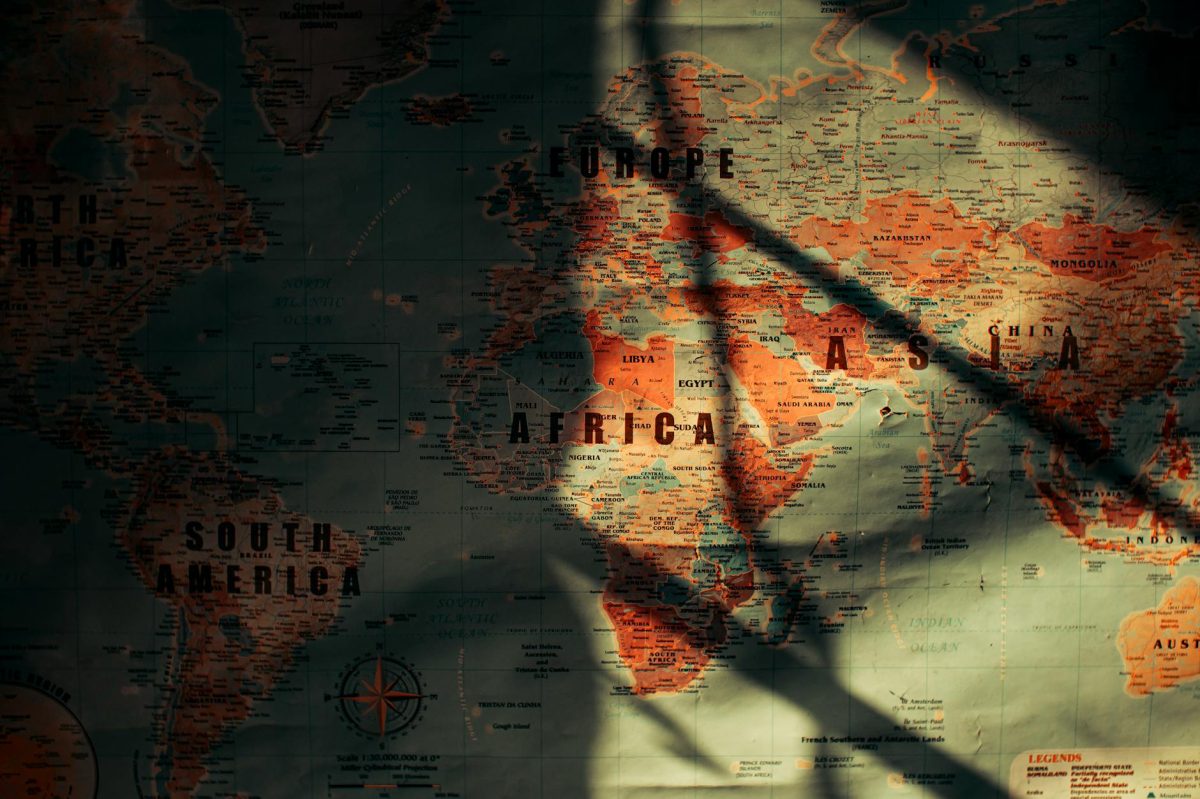
Step 1: Identify Your Goal - What Do You Want to Achieve?
Clearly define why you want to build a global threat map. Is it to track the spread of a conflict, monitor humanitarian crises, or expose human rights abuses? Knowing your goal will help you focus your efforts and make informed decisions.
Step 2: Gather Open-Source Data - The Secret to a Robust Map
Tap into the power of open-source data by scouring online resources such as the United Nations, World Bank, and Amnesty International. Utilize APIs, datasets, and reports to gather valuable information on conflict zones, demographics, and more.
Step 3: Choose a Mapping Platform - The Right Tool for the Job
Select a user-friendly mapping platform like Leaflet, OpenLayers, or ArcGIS that can handle large datasets and provide real-time updates. Don't be afraid to experiment and try out different options until you find the one that suits your needs.
Step 4: Create a Visually Engaging Map - Tell the Story Behind the Data
Use color-coding, icons, and labels to bring your data to life. Make sure your map is easy to navigate and understand, even for those without a background in geospatial analysis. Use storytelling techniques to convey the human impact of conflict zones.
Step 5: Share Your Map - Amplify Your Impact
Publish your map on social media, blogs, or websites to reach a wider audience. Collaborate with influencers, journalists, or experts to amplify your message and encourage others to take action. Don't be afraid to share your data and encourage others to build upon your work.