How To Fight Animal Exploitation by Choosing Ethical Wildlife Content in 5 Steps
Demand change by being an informed and compassionate viewer
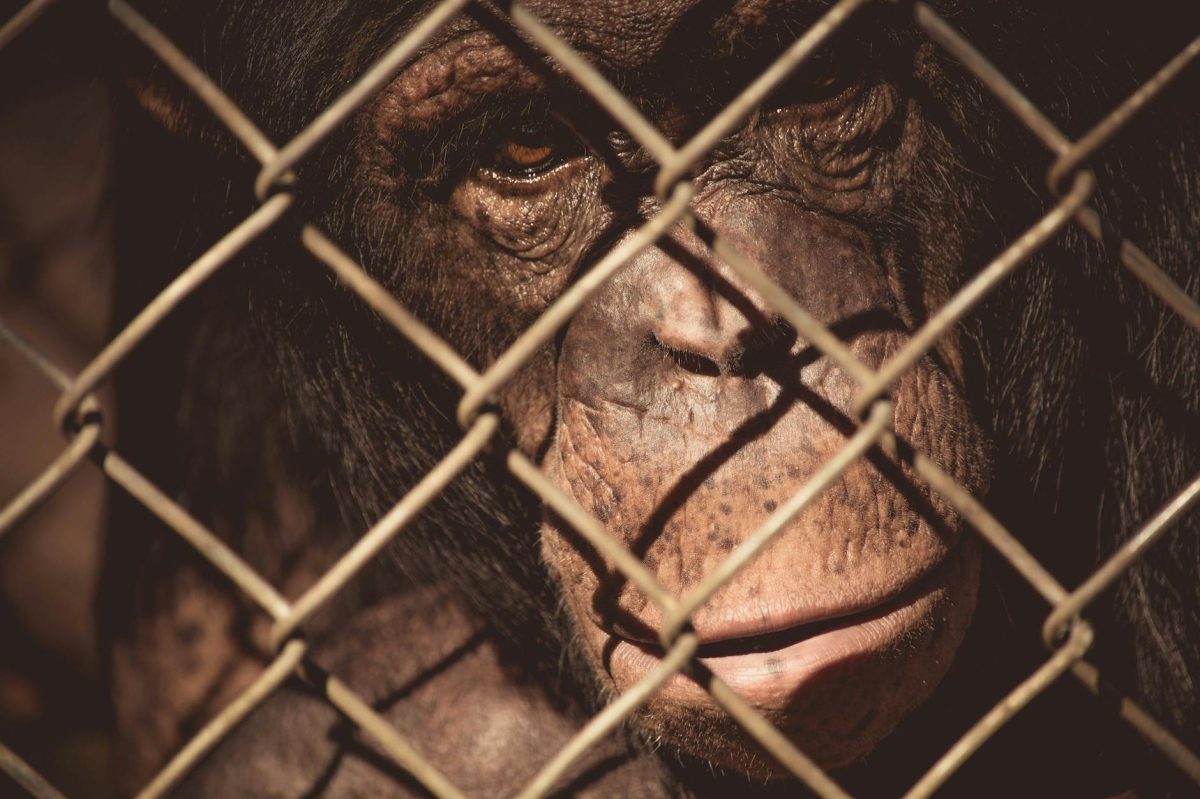
Step 1: Research the Origin of the Video
Before watching or sharing a viral animal video, research the origin of the content. Look for reputable sources like wildlife sanctuaries, conservation organizations, or educational institutions. Avoid videos with unclear or unverifiable sources.
Step 2: Check for Red Flags
Be cautious of videos with signs of animal distress, neglect, or exploitation. Pay attention to the animal's behavior, living conditions, and the treatment they receive. If something seems off, it probably is.
Step 3: Support Reputable Conservation Efforts
Instead of sharing random animal videos, support reputable conservation efforts and organizations that prioritize animal welfare and conservation. Follow their social media accounts, donate to their causes, or spread the word about their work.
Step 4: Report Suspicious Content
If you come across a video that shows animal exploitation or neglect, report it to the platform or social media company. Many platforms have policies against animal exploitation, and your report can help remove the content and prevent further harm.
Step 5: Get Involved in Your Community
Take the conversation offline by getting involved in your local community. Attend wildlife conservation events, support local animal shelters, or participate in citizen science projects. By working together, we can create a wave of positive change for animals and the environment.