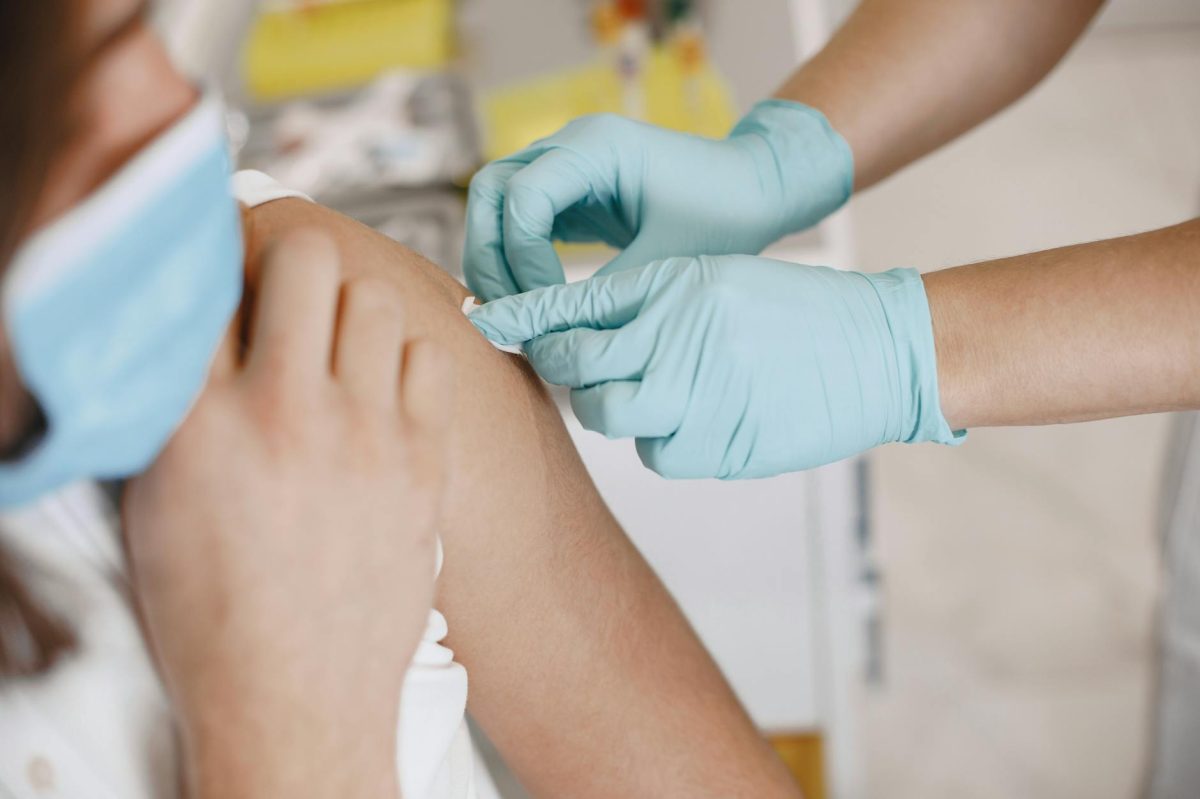
How To Protect Your Family from Misinformation in 5 Steps
Don't let misleading vaccine claims put your loved ones at risk
Step 1: Verify Information through Reputable Sources
Start by verifying any vaccine-related information through reputable sources such as the Centers for Disease Control and Prevention (CDC) or the World Health Organization (WHO). Check if the information is supported by scientific evidence and credible research. You can also fact-check claims using independent organizations like Snopes or FactCheck.org
Step 2: Consult with a Healthcare Professional
Schedule a consultation with your family's healthcare provider to discuss any concerns or questions you may have about vaccines. They can provide personalized advice and address any misconceptions you may have. Don't hesitate to ask about the benefits and risks associated with vaccines
Step 3: Be Cautious of Social Media and Online Sources
Be wary of misinformation spread through social media platforms and online blogs. Be cautious of emotionally charged or sensationalized content that may be designed to manipulate public opinion. Instead, rely on credible sources and expert opinions to inform your decisions
Step 4: Engage in Respectful Conversations
Engage in respectful conversations with friends and family members who may hold differing views on vaccine safety. Listen to their concerns and address any misconceptions in a calm and respectful manner. Encourage them to consult reputable sources and seek advice from healthcare professionals
Step 5: Stay Up-to-Date with the Latest Research
Stay informed about the latest research and developments in vaccine safety by following reputable health organizations and scientific journals. Attend webinars, workshops, or seminars to stay updated on the latest findings and expert opinions. This will enable you to make informed decisions and have meaningful conversations with others