5 Things About Racial Profiling That Revealed in Kam Chancellor Incident
Seahawks Star Wrongfully Reported to Police After Gym Visit Exposes Deeper Issues
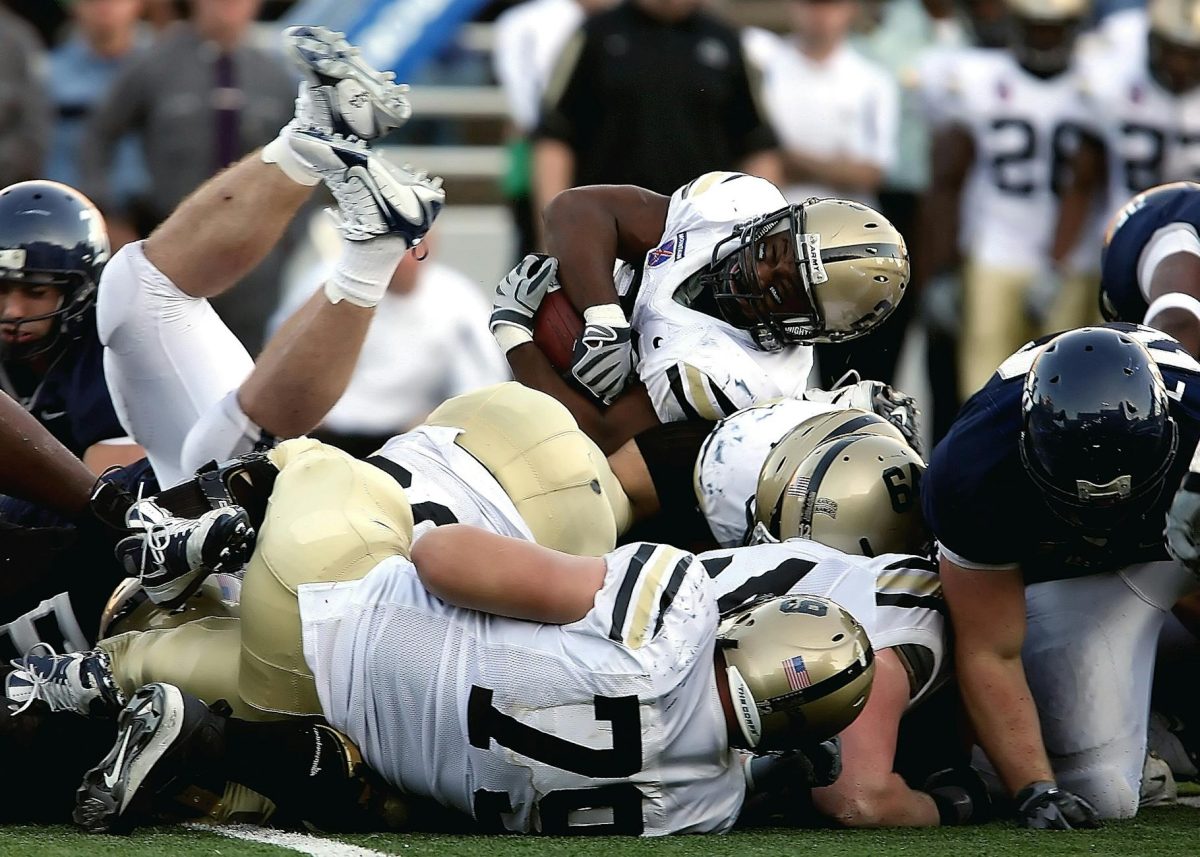
In a disturbing incident that has sparked widespread outrage, Seattle Seahawks safety Kam Chancellor was wrongfully reported to the police by two employees of a Seattle-area gym, who allegedly believed he was going to commit a robbery. The incident has raised serious questions about racial profiling and the dangers of making assumptions based on appearance. As the news of the incident spread like wildfire, it has become clear that this is not an isolated event, but rather a symptom of a larger problem that affects many people of color in the United States. In this article, we will delve into the details of the incident, explore the issues of racial profiling, and examine the implications of such incidents on individuals and society as a whole.
The Incident: A Case of Mistaken Identity
On Wednesday, Kam Chancellor, a prominent figure in the NFL, visited a gym in the Seattle area to inquire about a potential business opportunity. However, his presence at the gym was misinterpreted by two employees, who called the police and reported that he was going to commit a robbery. The employees' actions were likely motivated by a combination of factors, including Chancellor's appearance, his athletic build, and the fact that he is a black man. The incident is a clear example of racial profiling, where an individual is judged and treated based on their race, rather than their actions or behavior. The employees' decision to call the police was not based on any concrete evidence, but rather on their own biases and stereotypes.
The Bigger Picture: Racial Profiling in America
The incident involving Kam Chancellor is not an isolated event, but rather a manifestation of a larger problem that affects many people of color in the United States. Racial profiling is a pervasive issue that can have serious consequences, from unnecessary police stops and searches to wrongful arrests and convictions. According to a study by the American Civil Liberties Union (ACLU), black people are nearly three times more likely to be stopped by police than white people, and they are more likely to be searched and arrested. The study also found that racial profiling is often based on implicit biases, which can be influenced by factors such as media portrayals, cultural stereotypes, and personal experiences.
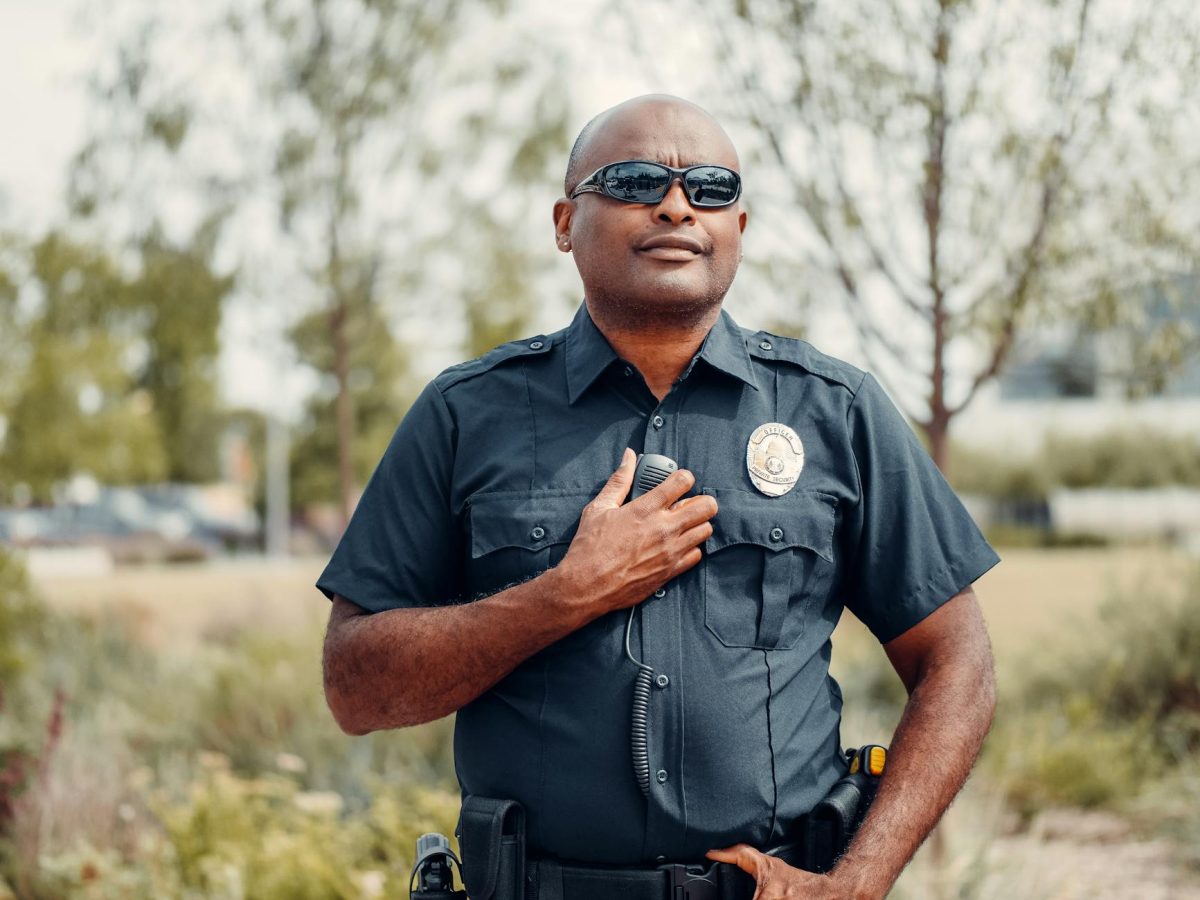

'I was just trying to do my job, and I got profiled for it,' Chancellor said in an interview. 'It's frustrating, because I know I'm not the only one who has gone through this. There are a lot of people out there who are judged based on their appearance, rather than their character.'
The Consequences of Racial Profiling
The consequences of racial profiling can be severe and long-lasting. Individuals who are subjected to racial profiling may experience emotional trauma, anxiety, and depression. They may also face financial losses, damage to their reputation, and difficulties in finding employment or housing. Moreover, racial profiling can erode trust between law enforcement and the communities they serve, making it more difficult to build relationships and prevent crime. The incident involving Kam Chancellor has sparked a national conversation about racial profiling and the need for greater awareness and understanding. It has also highlighted the importance of training and education for law enforcement officers, as well as the need for policies and procedures that promote fairness and equity.
📌 Key Takeaways
- Racial profiling is a pervasive issue in the United States, affecting many people of color
- The incident involving Kam Chancellor is a manifestation of a larger problem
- Racial profiling can have serious consequences, including emotional trauma, financial losses, and damage to reputation
- Addressing racial profiling requires a commitment to education, training, and policy changes
- Collective effort and community engagement are essential to creating a more just and equitable society
Moving Forward: Solutions to Racial Profiling
So, what can be done to address the issue of racial profiling? First and foremost, it is essential to acknowledge the problem and its consequences. This requires a willingness to listen to the experiences of people of color and to confront our own biases and stereotypes. It also requires a commitment to education and training, particularly for law enforcement officers, who must be equipped with the skills and knowledge to interact with people of all backgrounds in a fair and respectful manner. Additionally, policies and procedures must be put in place to prevent racial profiling and to hold individuals accountable for their actions. This may include the use of body cameras, diversity training, and community outreach programs. Ultimately, addressing racial profiling requires a collective effort and a willingness to work together to create a more just and equitable society.
The incident involving Kam Chancellor is a disturbing reminder of the dangers of racial profiling and the need for greater awareness and understanding. As we move forward, it is essential that we acknowledge the problem and its consequences, and that we work together to create a more just and equitable society. This requires a commitment to education, training, and policy changes, as well as a willingness to listen to the experiences of people of color and to confront our own biases and stereotypes. Only by working together can we hope to create a society where everyone is treated with dignity and respect, regardless of their race or background.